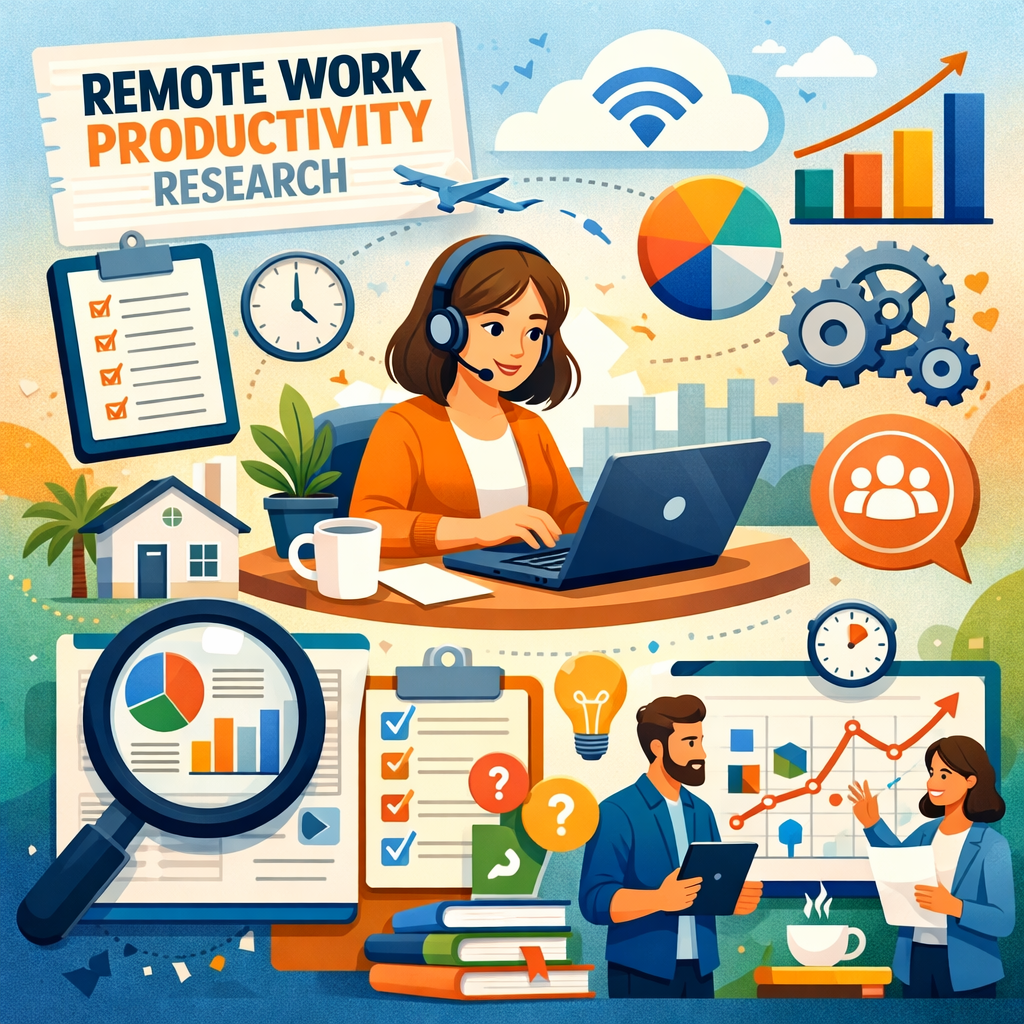

Welcome to my research blog as I work on my Doctorate in Business Administration
My blog is meant to express the additional research avenues while working on my dissertation toward my DBA degree. I hope to become Dr. Stephanie Diana Eubank DBA or, as my family (my Big Bear and my Baby Bears), Dr. Bear lovingly calls me.
Since starting this blog, I have started my own consulting firm Wicked B of The West, to help companies cultivate their remote teams and the leaders that work with them. If interested, please check out my social media at:
YouTube: https://www.youtube.com/@Wickedbofthewest
Website: wickedbofthewestremoteconsulting.com
Facebook: https://www.facebook.com/WickedBoftheWestBusinessConsulting
Instagram: https://www.instagram.com/wickedbofthewestconsulting/
Email: StephaniedEubank@gmail.com
Blog: drstephaniebeardbaremoteresearch.org
LinkedIn: https://www.linkedin.com/in/stephanie-diana-eubank-dba/
Latest from the Blog
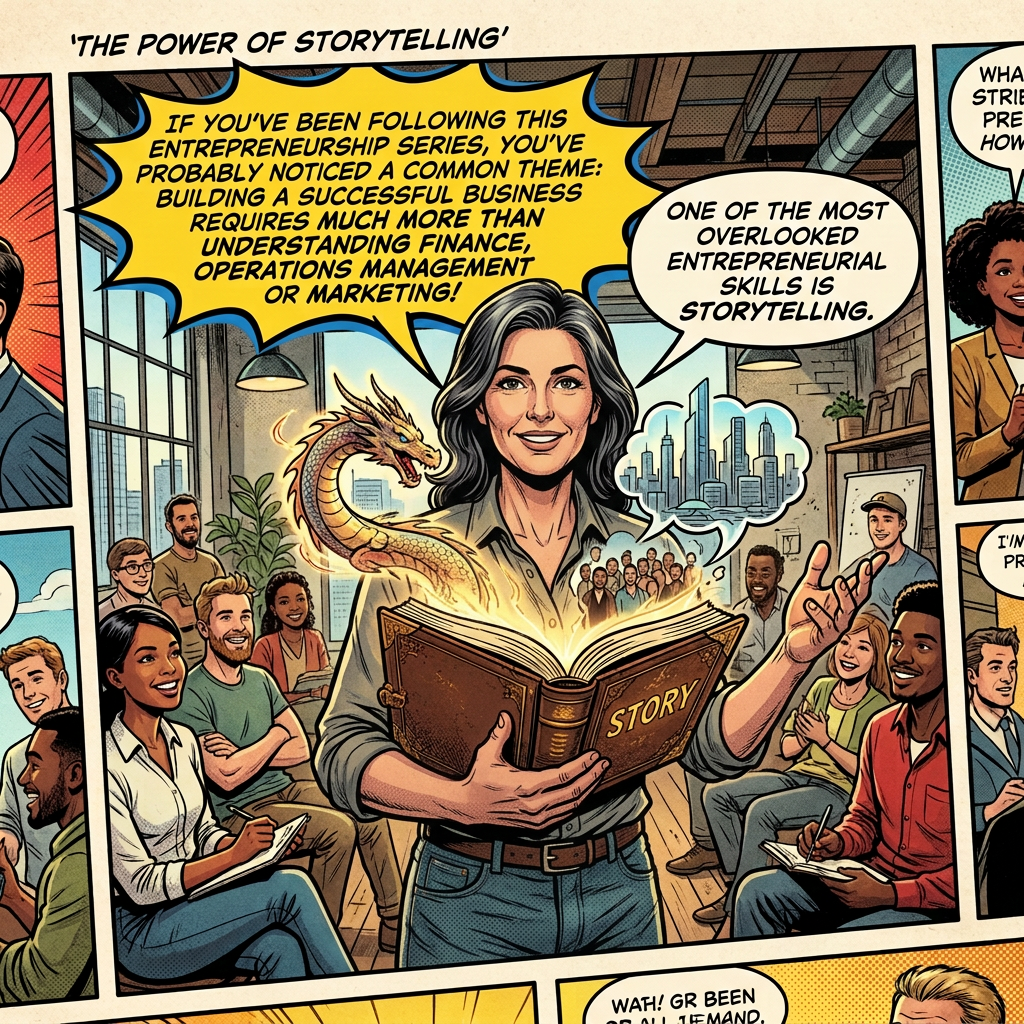
Every Startup Is a Story: How Great Founders Build Brands Before They Build Customers
Dr. Stephanie Diana Eubank emphasizes that successful entrepreneurship hinges not only on business acumen but also on effective storytelling. In today’s market, consumers connect with brands through their narratives. Eubank advocates for multidisciplinary skills, highlighting that storytelling enhances communication, even in data interpretation, fostering deeper audience engagement and understanding.

The Myth of “Culture Bloat”: Why Smart Organizations Invest in People
Dr. Stephanie Diana Eubank discusses the emerging concept of “organizational culture bloat,” which critiques employee benefits like remote work that some leaders now view as excessive. Despite restructuring efforts, flexibility is essential for employee engagement and productivity. Successful organizations will prioritize trust and alignment between organizational goals and employee needs.
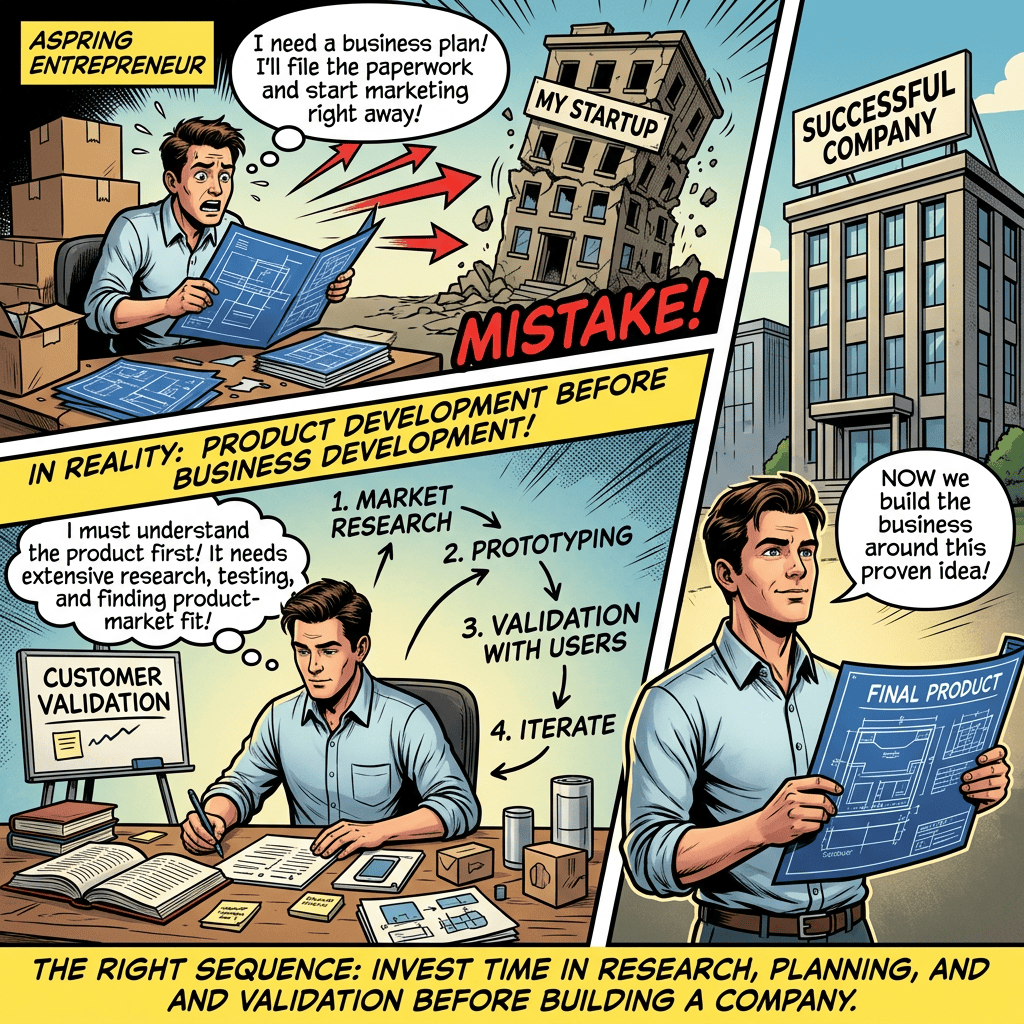
Your Startup Will Fail Without This Step: Master Product Development First
Dr. Stephanie Diana Eubank emphasizes the importance of thorough product development before launching a business. Entrepreneurs should prioritize research and validation, utilizing AI tools and market analysis. Successful businesses address genuine needs, combining innovation with project management. Adaptability and effective planning are crucial for entrepreneurial success in a competitive landscape.
Get new content delivered directly to your inbox.

