
Research Blog
Why Expertise Alone Fails in Remote Collaboration
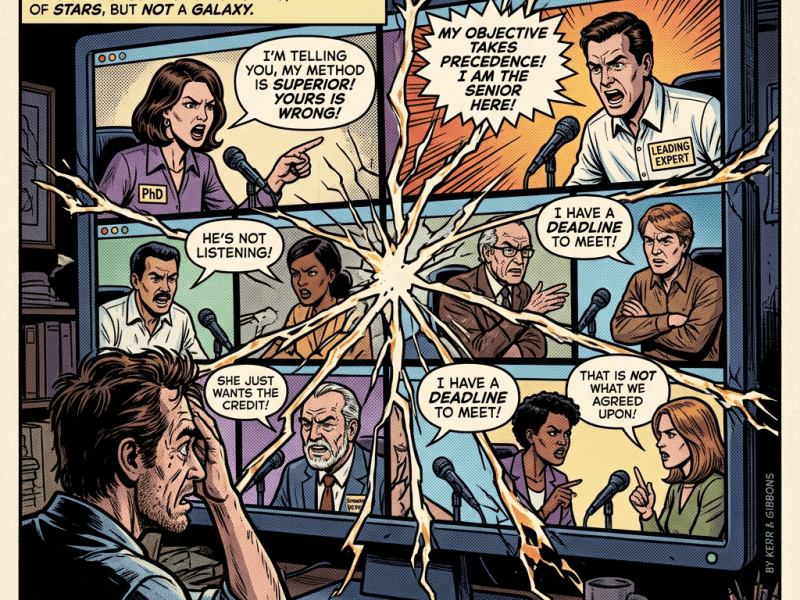
Organizations often misstep by assembling remote teams of highly skilled experts, mistakenly believing that expertise ensures success. The Apollo Effect highlights how such teams can falter due to individual competition, lack of collaboration, and poor communication. Effective remote teamwork requires intentional communication, documentation, and a focus on collective goals to enhance productivity and retention.
The Future of Work: Flexibility and Leadership
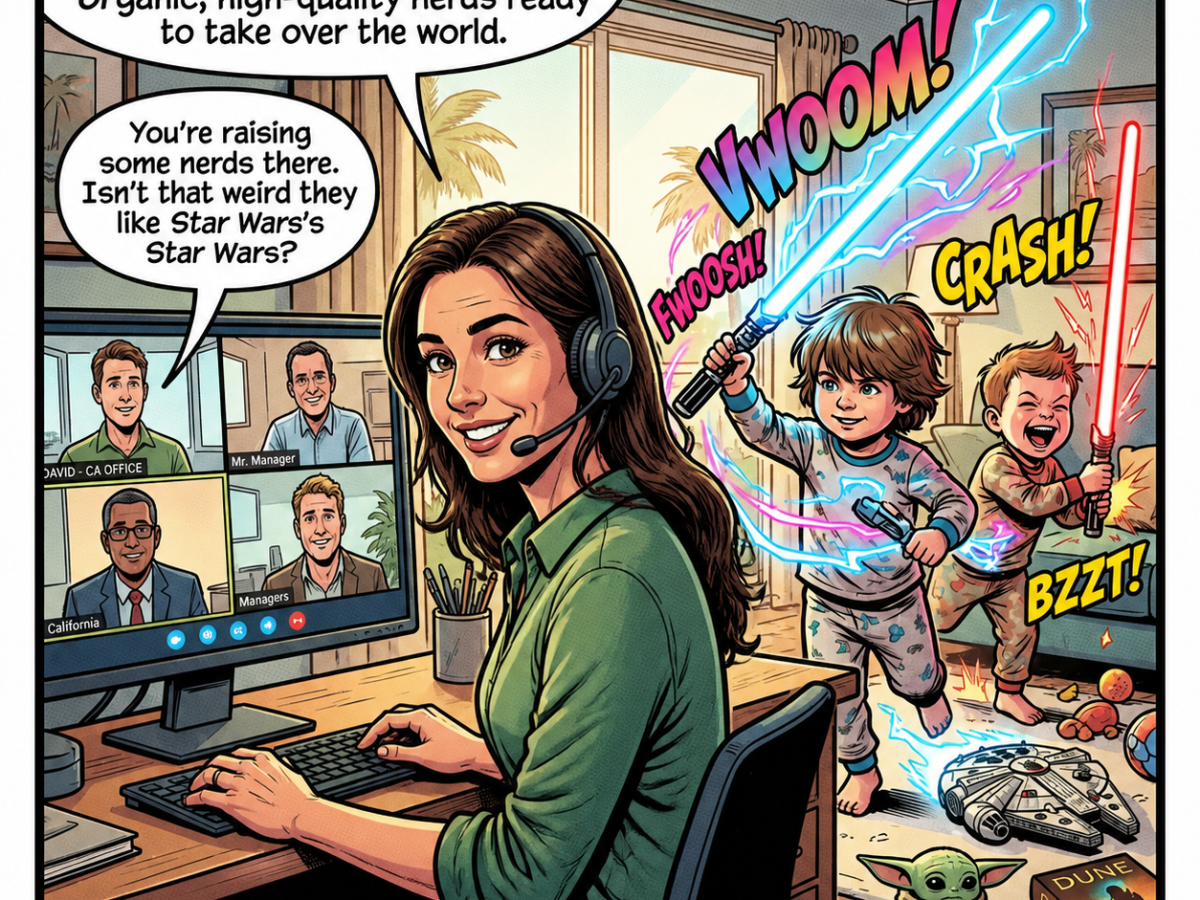
Dr. Stephanie Diana Eubank shares her experiences as a working mother benefiting from remote work, allowing her to balance family and career. She emphasizes the importance of modern leadership in managing remote teams and advocates for organizations to embrace flexibility. Eubank provides consulting services to help organizations adapt to future work environments.
Understanding Long-Term Unemployment in 2026
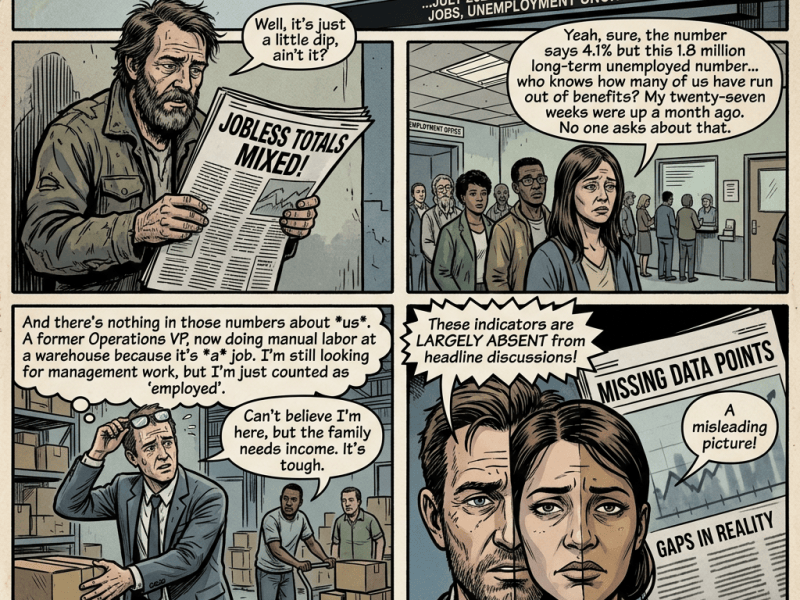
The July 2026 U.S. Employment Situation report revealed a decline of 23,000 jobs and maintained unemployment at 4.1%. It highlighted 1.8 million long-term unemployed individuals and an increase in skilled professionals accepting lower-level roles. These indicators point to hidden labor market challenges and opportunities for organizations to develop and leverage existing talent effectively.

Unions and AI: Shaping the Future of Work
Dr. Stephanie Diana Eubank discusses the evolving relationship between labor and technology, proposing that both AI and unions are responses to changing workplace dynamics. As union activities rise amidst AI adoption, she emphasizes the need for meaningful representation and collaboration between workers and technology, focusing on communication and negotiation for shared value in the future…
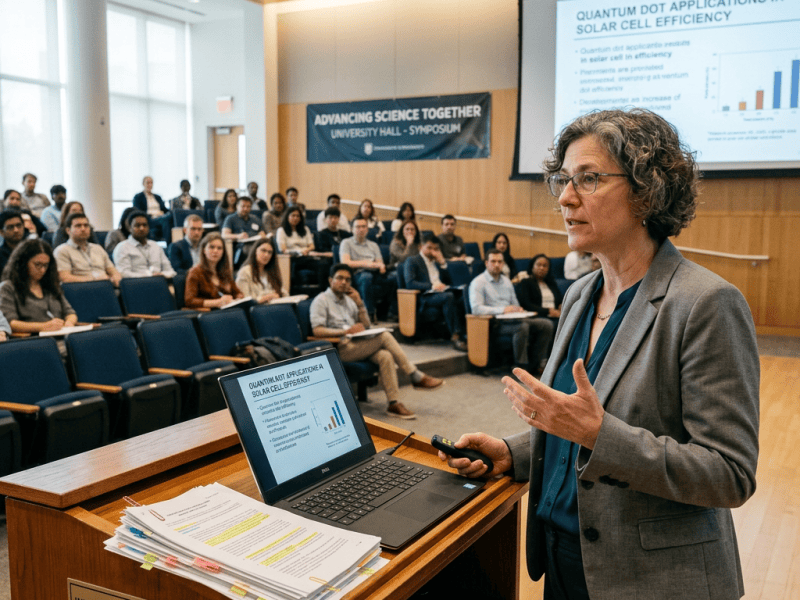
Join BEST Conference 2026: Insights on Team Design
Dr. Stephanie Diana Eubank will present at the online BEST Conference 2026, focusing on the Apollo Effect’s implications for team dynamics and productivity. Her research highlights the importance of complementary skills and intentional team design in remote work environments, challenging the belief that top talent alone guarantees high performance.

The Leadership Paradox: Why Being Indispensable Can Prevent Your Next Promotion
By Dr. Stephanie Diana Eubank DBA For generations, professionals were taught a simple career strategy: become indispensable. Work harder than everyone else. Be the person with all the answers. Hold the institutional knowledge. Make sure every important decision flows through you. Become the individual without whom the team cannot function. While that advice may help…
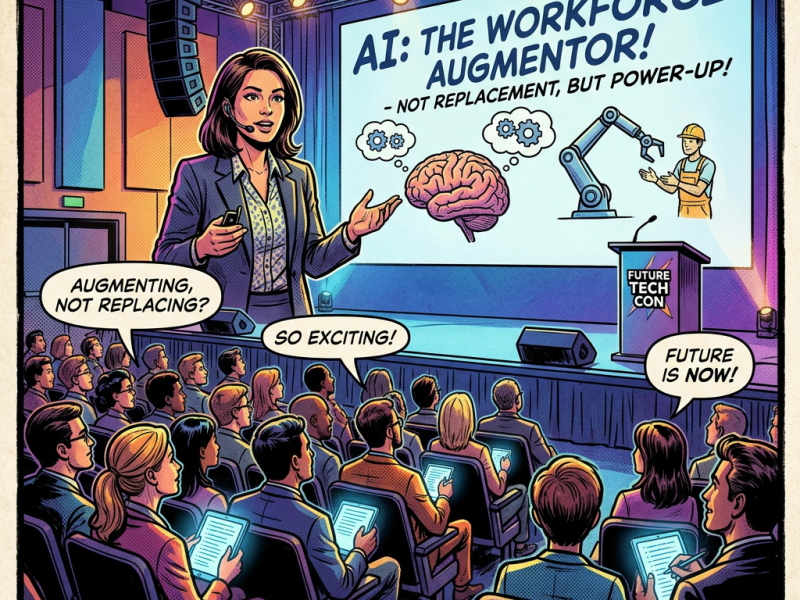
Integrating AI in Business: Beyond Replacement
Dr. Stephanie Diana Eubank emphasizes in her book that artificial intelligence (AI) should augment rather than replace human workers. Successful organizations will integrate AI with human expertise, focusing on training and governance to manage risks like data leakage and compliance. The future of work depends on this effective combination of people, processes, and technology.
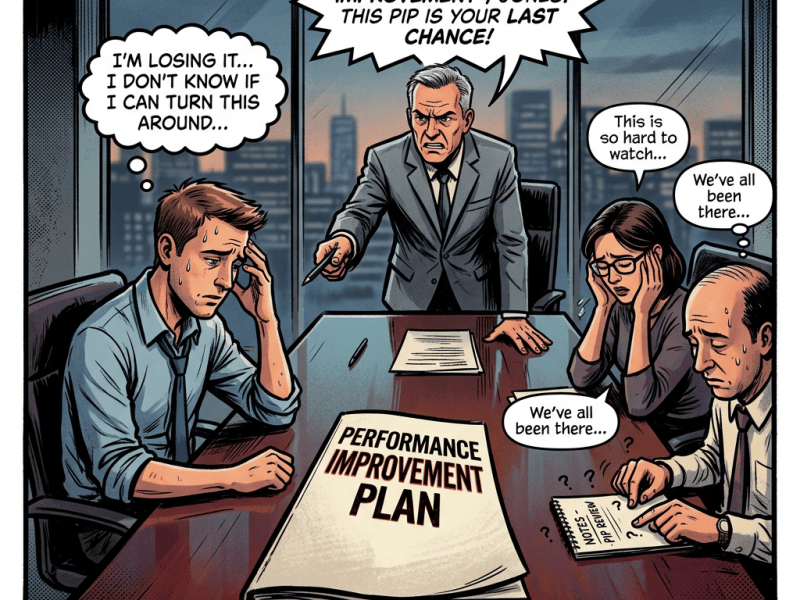
The Rise of Quiet Cutting: Impact on Employee Morale
Performance Improvement Plans (PIPs), once intended to aid struggling employees, are increasingly viewed as tools for “quiet cutting” amid economic pressures. Many employees are placed on PIPs unexpectedly, often facing unclear expectations. This trend has raised concerns over transparency, impacting trust and morale, ultimately leading to higher employee turnover.
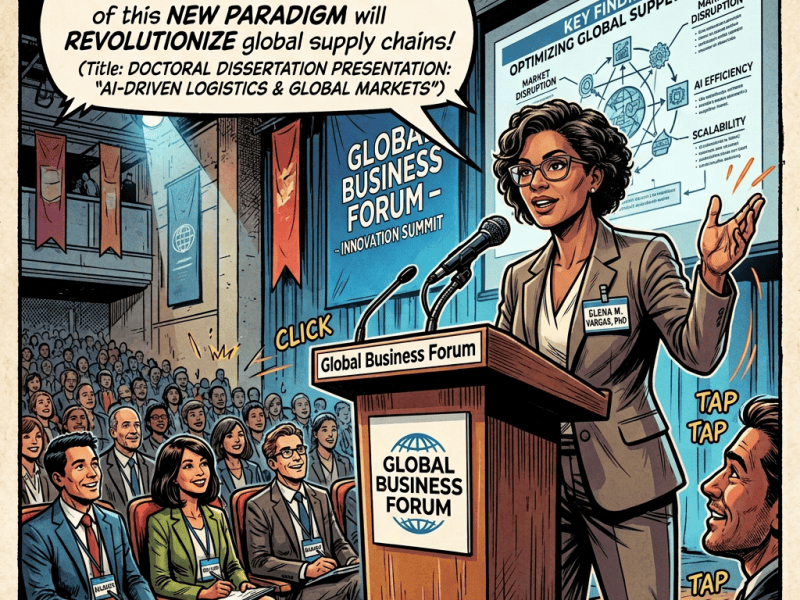
Driving Productivity in Remote Teams: Key Findings
Dr. Stephanie Diana Eubank presented her doctoral dissertation on remote work at the Academy of Business Research Summer 2026 Conference. The study explored leadership and followership perspectives, highlighting the significance of communication and team design. Key findings included the perception gap between leaders and followers and the importance of workplace flexibility.
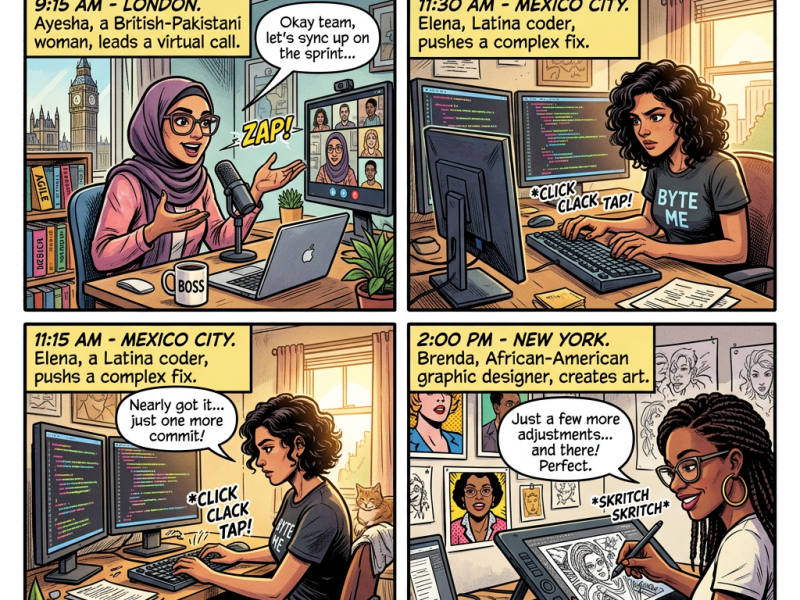
The Impact of Remote Work on Women’s Careers
By: Dr. Stephanie Diana Eubank DBA As organizations continue to implement return-to-office (RTO) mandates, many leaders frame the debate as a question of productivity, culture, and collaboration. Yet the growing body of research suggests that the real impact of mandatory office attendance extends far beyond workspace preferences. For women, caregivers, and families, the loss of workplace flexibility can mean reduced…
Something went wrong. Please refresh the page and/or try again.
Follow My Blog
Get new content delivered directly to your inbox.
 Dr. Stephanie Diana Eubank DBA Remote Team Research (AKA Dr. Bear)