Research Blog
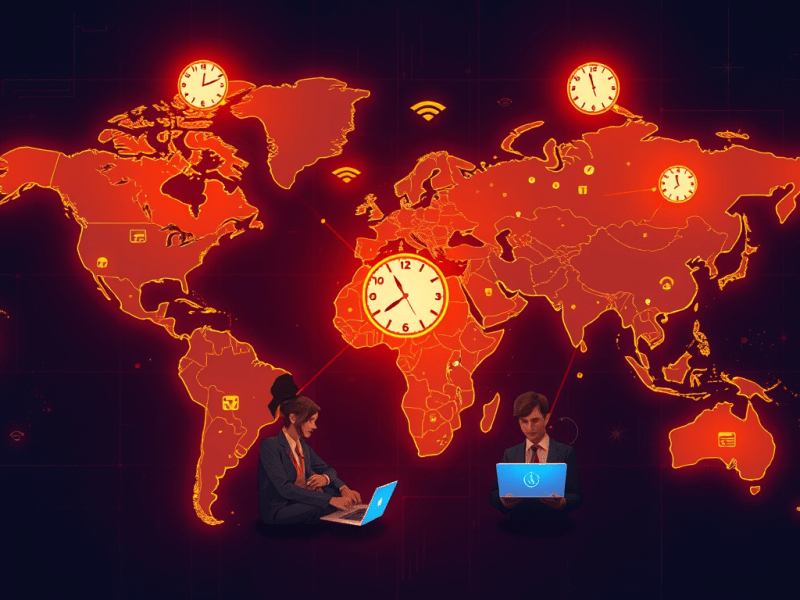
Overcoming Isolation in Remote Teams Across Time Zones
Geographic and temporal isolation in remote teams hampers collaboration and emotional connection, leading to workplace loneliness and increased stress. To mitigate these challenges, intentional asynchronous communication, clear availability schedules, and strategies to strengthen community ties are essential. Leaders should prioritize workflows that maintain momentum across time zones and invest in supportive infrastructure.
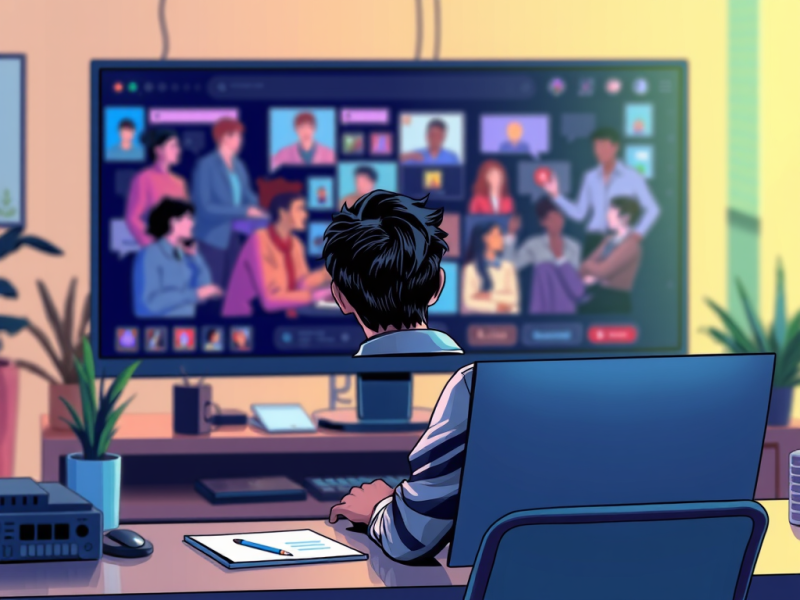
Enhancing Connection for Remote Workers
Cultural isolation in remote work can lead to disengagement and reduced performance as employees lack social connections and shared cultural experiences. Research indicates that proactive participation in team activities, clear communication of norms, and structured rituals can mitigate this issue. Leaders must ensure cultural integration through mentorship and open communication.
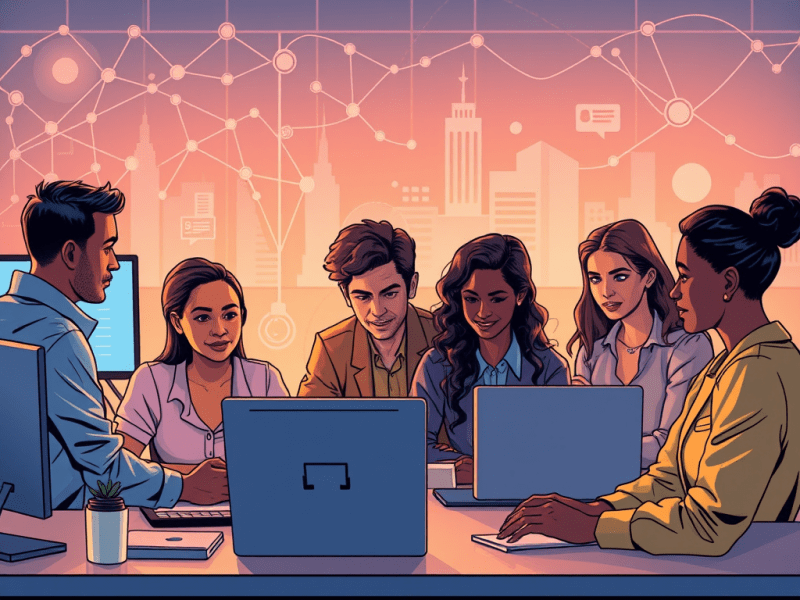
Combatting Organizational Isolation in Remote Work
Organizational isolation affects remote workers through barriers like unclear procedures and limited communication, which hinder collaboration and well-being. Research indicates that lack of community and transparency leads to reduced productivity and job satisfaction. Both employees and leaders can implement strategies to enhance communication and accessibility, mitigating these negative effects.
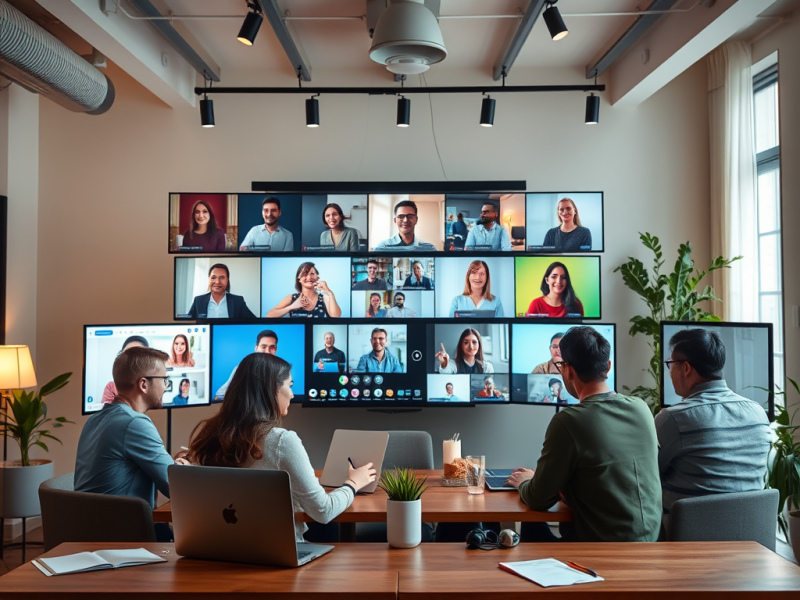
Building Community in Remote Work Environments
Geographic isolation in remote work can lead to disconnection, loneliness, and reduced performance. To combat these challenges, remote workers should increase communication, seek cross-functional collaborations, participate in networking, and establish social rituals. Effective leadership and employee self-advocacy are key to fostering engagement and connection in virtual environments.

The Impact of Professional Isolation on Job Performance
Professional isolation is a growing issue among remote workers, characterized by the feeling of disconnection from organizational processes and opportunities. This isolation can harm job performance and well-being due to the lack of informal interactions. Strategies for overcoming these challenges include proactive communication and fostering interconnectedness among employees and leaders.
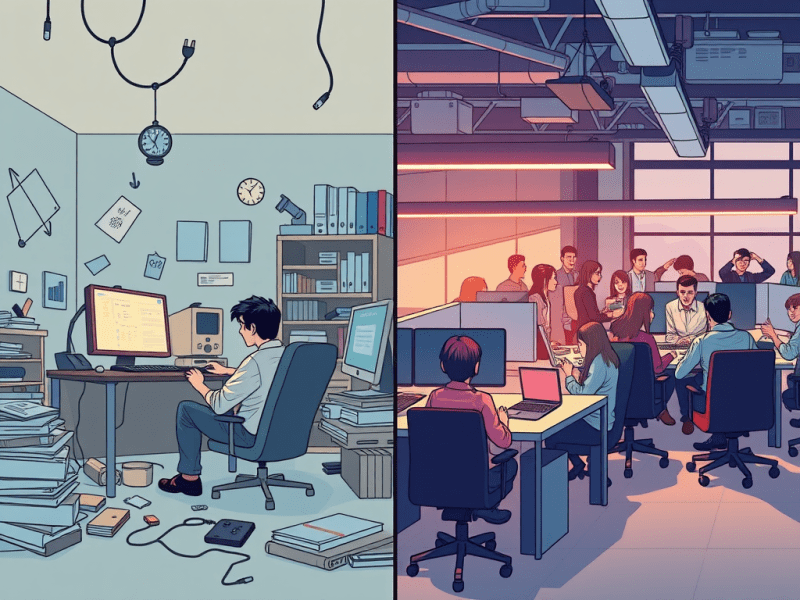
Combatting Informational Isolation in Remote Work
Informational isolation impacts remote and hybrid employees by reducing their access to timely and quality information, which hinders collaboration and decision-making. As remote work becomes permanent, organizations must proactively address this issue to enhance communication, prevent misalignment, and ensure equity across distributed teams, improving overall productivity.

Strategies to Combat Social Isolation in Remote Teams
The article by Dr. Stephanie Diana Eubank begins an eight-part series on workplace isolation, highlighting its evolution post-2020. Traditional categories of isolation have expanded to include digital social isolation, affecting mental health and engagement. Strategies for leaders and employees are proposed to mitigate these modern challenges and foster connection.

Transforming Training with AI: Engagement and Comprehension
Post-COVID, businesses are addressing reading comprehension and engagement issues in training due to remote work challenges. AI offers solutions through multimodal content to enhance learning experiences. This approach fosters inclusivity, improves retention, and supports diverse cognitive styles, ultimately promoting collaboration, morale, and adaptability in hybrid work environments.
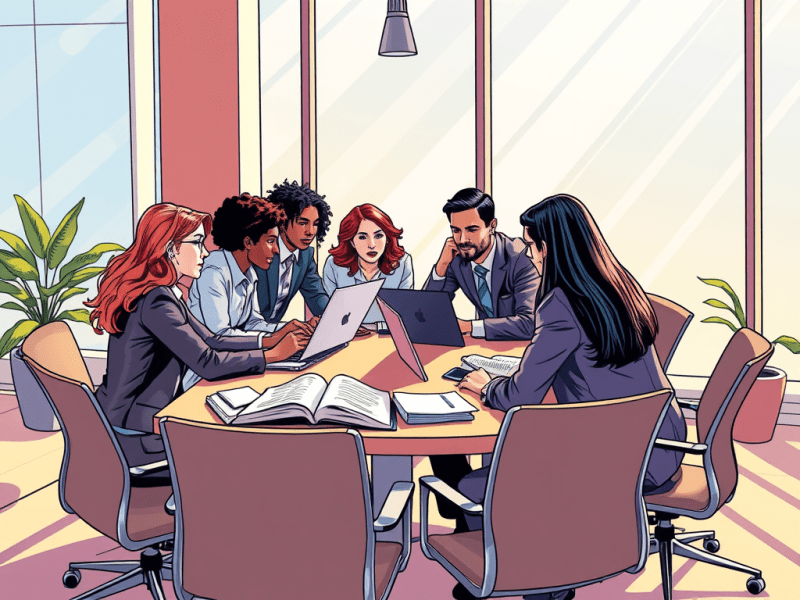
Bridging Literacy Gaps for Workplace Success
Dr. Stephanie Diana Eubank highlights that many students at top universities require remedial English courses to improve their academic writing and reading comprehension skills. She suggests that businesses can support this development through initiatives like book clubs, mentorship, and writing workshops, ultimately enhancing communication and organizational performance.
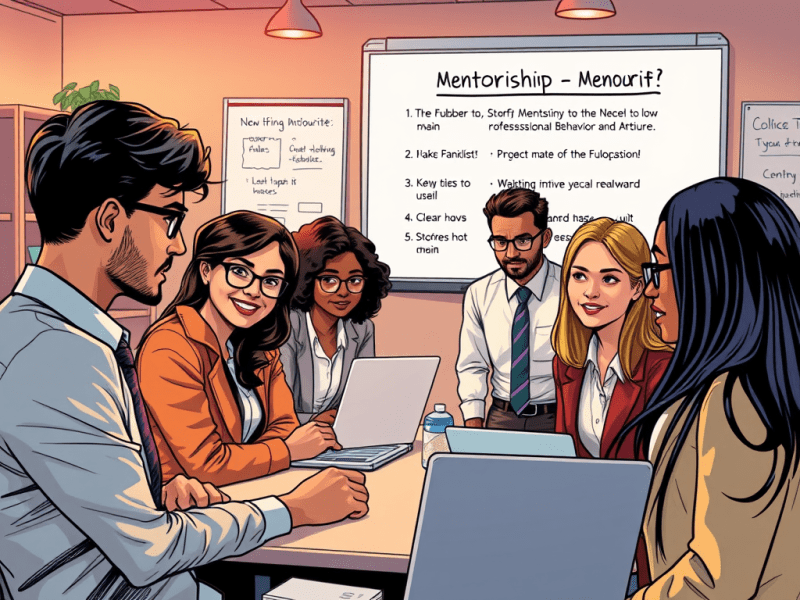
Evolving Workplace Etiquette for Millennials and Gen Z
Dr. Stephanie Diana Eubank highlights a significant professionalism gap among recent college graduates, who are often considered unprepared for the workplace. Issues like unprofessional behavior and inadequate communication skills arise, affecting hiring opportunities. Mentors are crucial in bridging this gap by fostering adaptability, communication, and a broader understanding of professionalism while acknowledging generational differences.
Something went wrong. Please refresh the page and/or try again.
Follow My Blog
Get new content delivered directly to your inbox.
 Dr. Stephanie Diana Eubank DBA Remote Team Research (AKA Dr. Bear)