 Written by
 By: Dr. Stephanie Diana Eubank DBA
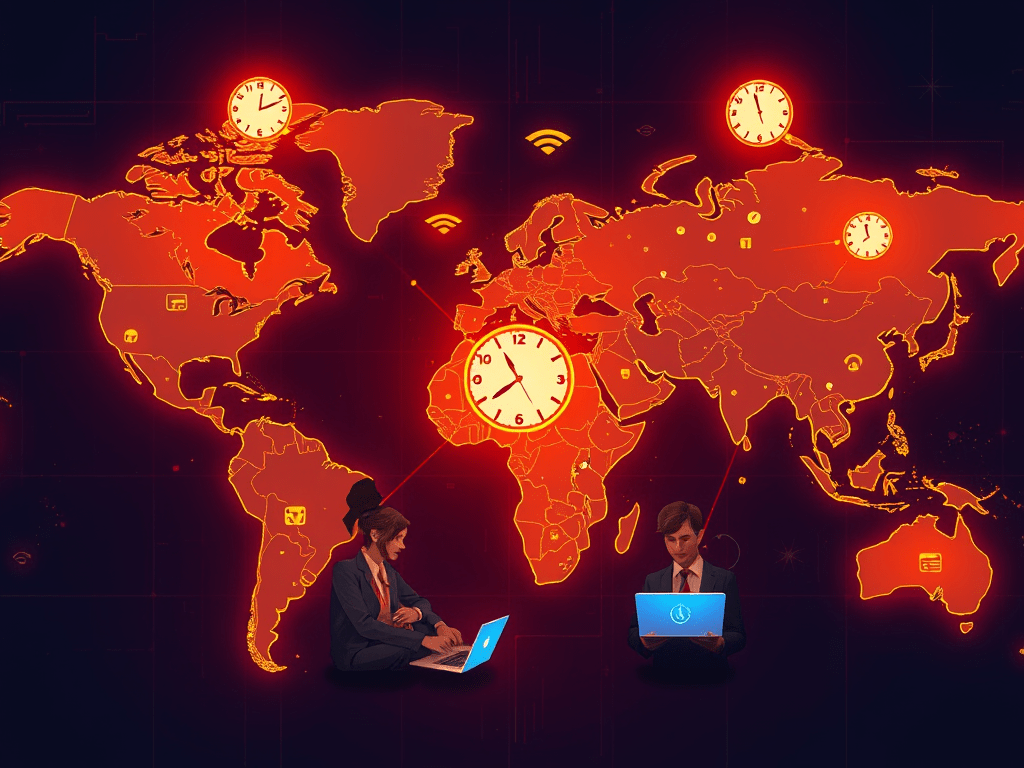
Geographic and temporal isolation arise when teams are dispersed across regions, countries, or continents, and work occurs across non-overlapping time zones. Even highly connected remote teams may struggle to maintain cohesion when synchronous communication is limited or when collaboration windows shrink due to time zone differences. Research shows that geographical distance and asynchronous workflows can exacerbate feelings of disconnection, reduce real-time collaboration, and impact organizational well-being. For example, Figueiredo et al. (2025) found that reduced physical and temporal proximity increases emotional strain and workplace isolation. Furthermore, APA research shows that social connection—including even weak interpersonal ties—is central to well-being, and its absence can intensify feelings of workplace loneliness.
Teams that span multiple time zones often encounter slowed decision-making, fragmented communication, and uneven meeting participation. Montañez (2024) notes that remote teams require intentional strategies to build community, as a lack of shared time and real-time interaction can weaken relational bonds. Additional research on remote-worker mental health also links isolation and limited interpersonal touchpoints to increased anxiety and stress (Korkmaz et al., 2025).
How Workers Can Reduce Geographic and Temporal Isolation
• Use asynchronous tools intentionally—recorded video updates, annotated documents, or shared dashboards—to stay aligned without needing real-time overlap.
• Establish personal communication windows and share availability clearly to maximize efficient collaboration.
• Rotate meeting times for recurring cross-time-zone meetings to distribute the burden of early or late hours fairly.
• Build weak-tie connections by engaging in asynchronous community discussions, forums, or digital team spaces—shown to improve belonging.
• Proactively communicate blockers or questions ahead of time to prevent workflow delays caused by time-zone gaps.
How Leaders Can Reduce Geographic and Temporal Isolation
• Adopt a “follow-the-sun” workflow design where tasks are handed off fluidly across time zones to maintain momentum.
• Default to asynchronous-first communication for updates, documentation, and decisions to reduce dependence on synchronous meetings.
• Create clear team agreements around response times, availability expectations, and communication channels to prevent burnout—aligned with WHO burnout prevention guidance.
• Invest in digital infrastructure that supports shared visibility, such as project management systems and searchable knowledge bases, reducing real-time dependency.
• Schedule periodic synchronous touchpoints focused on relationship building—not just status updates—to reinforce team cohesion.
References (APA 7)
American Psychological Association. (2024). A sense of belonging is crucial for employees. https://www.apa.org/topics/healthy-workplaces/fostering-connection
Figueiredo, E., Margaça, C., & Sánchez-García, J. C. (2025). Loneliness and isolation in the era of telework: A comprehensive review of challenges for organizational success. Healthcare, 13(16), 1943. https://doi.org/10.3390/healthcare13161943
Korkmaz, U., Şimşek, M. H., & Şahin, Ö. F. (2025). The effect of emotion regulation difficulties and loneliness on anxiety, depression, and stress levels in remote workers. BMC Public Health, 25, 2572.
Montañez, R. (2024). Fighting loneliness on remote teams. Harvard Business Review. https://hbr.org/2024/03/fighting-loneliness-on-remote-teams
World Health Organization. (2019). Burn-out an occupational phenomenon: International Classification of Diseases. https://www.who.int/news/item/28-05-2019-burn-out-an-occupational-phenomenon-international-classification-of-diseases
If you enjoy this content like and subscribe. Additionally, if you are interested in consulting services, please feel free to reach out to me through my social media channels. Remember remote is here to stay.
YouTube: https://www.youtube.com/@Wickedbofthewest
Website: wickedbofthewestremoteconsulting.com
Facebook: https://www.facebook.com/WickedBoftheWestBusinessConsulting
Instagram: https://www.instagram.com/wickedbofthewestconsulting/
Blog: drstephaniebeardbaremoteresearch.org
LinkedIn: https://www.linkedin.com/in/stephanie-diana-eubank-dba/
TikTok: https://www.tiktok.com/@stephanie.eubank6
New Website: wickedbofthewestconsulting.com
Email: Drstephaniedeubank@wickedbofthewestconsulting.coma/
TikTok: @stephaniedianaeubank
New Website: wickedbofthewestconsulting.comtconsulting.com
 Dr. Stephanie Diana Eubank DBA Remote Team Research (AKA Dr. Bear)