How Remote Work Reshapes Housing Demand

Man working remotely on laptop with suburban and city real estate signs in view

By: Dr. Stephanie Diana Eubank DBA

Remote work is no longer simply a workforce accommodation—it has become a powerful economic force reshaping housing markets, regional development, and long-term economic stability. One of the sectors most visibly transformed by the rise of remote work is real estate. Evidence from the COVID‑19 era shows that remote work redistributed housing demand, revitalized historically stagnant real estate markets, and generated downstream investment in infrastructure and local economies.


During the COVID‑19 pandemic, widespread adoption of remote work fundamentally altered residential mobility patterns. Economists using U.S. Postal Service change‑of‑address data and Zillow housing transactions documented significant out‑migration from high‑cost urban cores toward suburbs, small cities, and rural regions. Ramani and Bloom (2021, 2024) describe this phenomenon as the “Donut Effect,” in which demand hollowed out from city centers while growing in surrounding and smaller communities. These movements were driven by the reduced need for daily commuting made possible by remote and hybrid work.

Importantly, this migration was not limited to suburban growth. Research shows that regions experiencing long‑term population decline or stagnant housing demand saw net in‑migration for the first time in decades. Studies using national and international datasets found that rural and lower‑density regions benefited disproportionately from remote‑enabled migration, especially among younger and higher‑skilled workers (Knüpling et al., 2025; Petersen et al., 2024). As demand increased in these areas, real estate transactions accelerated, stabilizing or reversing previously sluggish housing markets.

Increased housing demand outside traditional metro hubs has driven local governments and private developers to invest in infrastructure. Broadband expansion, road upgrades, utilities, and mixed‑use development have followed population inflows into small cities and rural counties. Empirical research demonstrates that remote work not only raises local housing prices but also supports broader economic activity by increasing consumer spending and encouraging long‑term residence rather than short‑term commuting patterns (Mikawa et al., 2026; Monte et al., 2025).

These investments create a reinforcing cycle: improved infrastructure attracts additional residents and businesses, further strengthening regional economies. Rather than draining urban economies, remote work has redistributed growth more evenly across geographic regions, reducing pressure on overcrowded cities while revitalizing underutilized communities.

Remote work has also altered the type of housing workers can afford. Prior to the pandemic, many workers were constrained to expensive metropolitan areas where homeownership was often out of reach, leading individuals to invest in small condominiums or remain perpetual renters. Remote work has expanded geographic choice, allowing workers to purchase single‑family homes in more affordable regions.

Economic analysis from the National Bureau of Economic Research estimates that remote work explains more than half of the increase in U.S. housing demand between 2019 and 2023, driven primarily by increased demand for larger homes suitable for work‑from‑home arrangements (Mondragon & Wieland, 2025). This shift has enabled households to build equity through homeownership instead of concentrating wealth accumulation in a limited number of high‑density urban markets.

The ability to relocate without sacrificing employment has meaningful social and economic implications. Remote work allows workers to move closer to extended family, reduce childcare costs, and minimize commuting expenses. Lower housing costs in non‑metro regions free household income for savings, local consumption, and education investment. Research shows that employees value this geographic flexibility and are more likely to remain with employers offering remote options, contributing to workforce stability and sustained economic participation (Bloom et al., 2024; Aksoy et al., 2025).

At the macroeconomic level, these cost savings increase labor force participation by making employment viable for caregivers and geographically constrained workers, strengthening the overall economy.

Remote work should be understood as a structural reconfiguration of labor and housing markets rather than a temporary pandemic anomaly. Evidence indicates that remote and hybrid work levels have stabilized at rates far above pre‑pandemic norms, suggesting durable impacts on real estate and regional growth (Barrero et al., 2025). This persistence allows communities to plan long‑term development strategies with confidence.

By enabling workers to live where housing is affordable, families are supported, and quality of life is higher, remote work promotes more balanced economic development. For the real estate sector, this means broader market participation, reduced volatility concentrated in a handful of cities, and sustained demand across a wider geographic footprint.

Ultimately, remote work strengthens the economy by aligning housing markets with modern labor realities. When workers are free to choose locations that fit their financial and familial needs, real estate markets diversify, infrastructure investment follows, and economic growth becomes more resilient and inclusive.

References

Aksoy, C. G., Barrero, J. M., Bloom, N., Davis, S. J., Dolls, M., & Zarate, P. (2025). *The global persistence of work from home*. Hoover Institution.

Barrero, J. M., Bloom, N., & Davis, S. J. (2025). *Why working from home will stick*. National Bureau of Economic Research.

Knüpling, L., Sternberg, R., & Otto, A. (2025). Rural areas as winners of COVID‑19, digitalization and remote working? *Cambridge Journal of Regions, Economy and Society, 18*(1), 227–248. https://doi.org/10.1093/cjres/rsae033

Mikawa, N., Naoi, M., & Yasuda, S. (2026). COVID‑19, teleworking, and the real estate market. *Journal of Real Estate Finance and Economics*. https://doi.org/10.1007/s11146-026-10052-z

Mondragon, J. A., & Wieland, J. (2025). *Housing demand and remote work* (NBER Working Paper No. 30041). National Bureau of Economic Research. https://doi.org/10.3386/w30041

Monte, F., Porcher, C., & Rossi‑Hansberg, E. (2025). *Remote work and city structure* (NBER Working Paper No. 31494). National Bureau of Economic Research.

Ramani, A., & Bloom, N. (2021). *The donut effect of COVID‑19 on cities* (NBER Working Paper No. 28876). National Bureau of Economic Research.

Ramani, A., Alcedo, J., & Bloom, N. (2024). How working from home reshapes cities. *Proceedings of the National Academy of Sciences, 121*(44).

Petersen, J. K., Winkler, R. L., & Mockrin, M. H. (2024). Changes to rural migration in the COVID‑19 pandemic. *Rural Sociology*.

If you enjoy this content like and subscribe.  Additionally, if you are interested in consulting services, please feel free to reach out to me through my social media channels.  Remember remote is here to stay.

YouTube: https://www.youtube.com/@Wickedbofthewest

Website: wickedbofthewestremoteconsulting.com

Facebook: https://www.facebook.com/WickedBoftheWestBusinessConsulting

Instagram: https://www.instagram.com/wickedbofthewestconsulting/

Blog: drstephaniebeardbaremoteresearch.org

LinkedIn: https://www.linkedin.com/in/stephanie-diana-eubank-dba/

TikTok: https://www.tiktok.com/@stephanie.eubank6

New Website: wickedbofthewestconsulting.com

Email: Drstephaniedeubank@wickedbofthewestconsulting.com or stephaniedeubank@gmail.com

TikTok: @stephaniedianaeubank

New Website: wickedbofthewestconsulting.comtconsulting.com

Why Remote Work Shouldn’t Be a Leadership Privilege

Comparison of employees with privileged remote work access and employees with limited access stuck at office.

By: Dr. Stephanie Diana Eubank DBA

Remote and hybrid work have become defining features of modern organizations, yet access to flexible work remains unevenly distributed. Across many industries, remote work is disproportionately offered to leaders and subject matter experts (SMEs), while employees in non‑management roles despite performing work equally compatible with remote delivery are often required to remain on‑site. This pattern reflects a structural imbalance rather than operational necessity and has implications for organizational trust, productivity, and cohesion.

Research following the COVID‑19 pandemic indicates that senior leaders are more likely to retain remote or hybrid flexibility while return‑to‑office mandates are enforced for individual contributors. This dynamic effectively transforms remote work into a leadership privilege rather than a modality aligned to job design. Studies show that leaders are commonly hired and retained remotely, while followership roles experience reduced autonomy even when performance outcomes do not require physical presence.

A critical tension arises when leaders themselves are not consistently on‑site while requiring their teams to be physically present. Evidence from engagement research shows that employees who could work remotely but are required to attend in person report the lowest levels of engagement across all work arrangements. This disconnect reinforces power distance, signals mistrust, and erodes the legitimacy of leadership expectations.

From a structural perspective, this represents a missed opportunity. Research on hybrid and remote work consistently demonstrates that productivity is driven by clarity, equitable access to flexibility, and intentional team design not proximity. Extending remote work across all roles that do not require physical presence improves alignment between leaders and followers, reduces turnover, and strengthens accountability through shared systems.

The inequitable distribution of remote work also contributes to socio‑economic disparities. Employees in non‑leadership roles are more likely to bear commuting costs, childcare constraints, and geographic immobility. Expanding remote work opportunities for these roles alleviates financial pressure, improves retention, and enables organizations to better utilize their existing talent without increasing labor costs.

Remote work should be understood as a structural design choice rather than a hierarchical reward. Organizations that align flexibility to role requirements instead of rank create stronger cohesion, reduce power distance, and increase engagement across levels. Evidence from leadership and followership research suggests that congruence in working conditions strengthens trust and improves performance outcomes.

Ultimately, organizations that reserve remote work for leadership alone risk entrenching division within their workforce. Those that apply remote work equitably based on the nature of work rather than organizational status are better positioned to foster trust, productivity, and long‑term organizational resilience.

References

Ashkenas, R. (2025). The pandemic proved that remote leadership works. Harvard Business Review. https://hbr.org/2025/03/the-pandemic-proved-that-remote-leadership-works

Bloom, N. (2024). Hybrid work is a win‑win‑win for companies and employees. Stanford News. https://news.stanford.edu/stories/2024/06/hybrid-work-is-a-win-win-win-for-companies-workers

Bloom, N., Liang, J., Roberts, J., & Ying, Z. J. (2013). Does working from home work? Evidence from a Chinese experiment. Stanford Graduate School of Business. https://www.gsb.stanford.edu/faculty-research/working-papers/does-working-home-work-evidence-chinese-experiment

Global Workplace Analytics. (2026). Hybrid work costs and benefits. https://globalworkplaceanalytics.com/resources/costs-benefits

Pabilonia, S. W., & Redmond, J. J. (2024). The rise in remote work since the pandemic and its impact on productivity. U.S. Bureau of Labor Statistics. https://www.bls.gov/opub/btn/volume-13/remote-work-productivity.htm

Zhang, G., Zhao, W., & Meng, J. (2025). The impact of leader–follower power distance congruence on employees’ job role performance in the digital workplace. Digital Economy and Sustainable Development, 3(22). https://doi.org/10.1007/s44265-025-00073-6

If you enjoy this content like and subscribe.  Additionally, if you are interested in consulting services, please feel free to reach out to me through my social media channels.  Remember remote is here to stay.

YouTube: https://www.youtube.com/@Wickedbofthewest

Website: wickedbofthewestremoteconsulting.com

Facebook: https://www.facebook.com/WickedBoftheWestBusinessConsulting

Instagram: https://www.instagram.com/wickedbofthewestconsulting/

Blog: drstephaniebeardbaremoteresearch.org

LinkedIn: https://www.linkedin.com/in/stephanie-diana-eubank-dba/

TikTok: https://www.tiktok.com/@stephanie.eubank6

New Website: wickedbofthewestconsulting.com
Email: Drstephaniedeubank@wickedbofthewestconsulting.com or stephaniedeubank@gmail.com

TikTok: @stephaniedianaeubank

New Website: wickedbofthewestconsulting.comtconsulting.com

The Advantages of Remote Work for Talent Retention

Remote work productivity research concept illustration

By: Dr. Stephanie Diana Eubank DBA

For years, organizations have debated whether remote work improves or hinders productivity. While some leaders still associate productivity with physical presence, empirical research increasingly shows that productivity is influenced by task design, management practices, and employee satisfaction rather than location alone (Pabilonia & Redmond, 2024; Bloom et al., 2013). In today’s labor market, remote work has become a strategic lever for retaining talent, controlling costs, and sustaining productivity.

One of the most significant yet underestimated drains on productivity is employee turnover. Research has consistently found that remote and hybrid arrangements are associated with higher job satisfaction and substantially lower quit rates, which directly reduces the high costs associated with recruiting, onboarding, and training new employees (Bloom, 2024; Global Workplace Analytics, 2026). Retaining experienced employees through flexible work arrangements allows organizations to preserve institutional knowledge and avoid prolonged productivity losses that accompany turnover.

The traditional in-person hiring model has also become increasingly inefficient. Restricting hiring to specific geographic locations narrows talent pools and lengthens time-to-hire, while remote work enables organizations to recruit across broader markets and fill positions more quickly (Bureau of Labor Statistics, 2024). Remote onboarding and training models further improve efficiency by relying on standardized documentation and scalable learning systems rather than informal, time-intensive shadowing (Hackney et al., 2022).

Remote work supports productivity as a cost‑control strategy by reducing fixed overhead expenses such as office space, utilities, and commuting subsidies. Workforce research indicates that many employees value flexibility as a form of compensation and are willing to trade higher salary growth for remote or hybrid options, allowing firms to manage labor costs while maintaining retention (Global Workplace Analytics, 2026; Bloom, 2024).

Research also indicates that employees working remotely or in hybrid arrangements take fewer unscheduled absences and sick days than fully in-person workers. Telework increases flexibility for managing minor illnesses, medical appointments, and caregiving responsibilities, resulting in more consistent output and fewer workflow disruptions (Ducas et al., 2025; Global Workplace Analytics, 2026).

Ultimately, productivity is driven by clarity, trust, and system design rather than physical location. Remote work environments encourage organizations to define goals more precisely, document workflows, and focus on outcomes instead of attendance, leading to greater accountability and efficiency when implemented thoughtfully (Bloom et al., 2013; Pabilonia & Redmond, 2024).

As long as remote opportunities remain available, organizations that resist flexibility risk continued turnover and rising productivity costs. Evidence from labor economics and organizational research demonstrates that remote work is no longer a temporary accommodation but a competitive advantage for organizations seeking sustained performance and workforce stability (Bureau of Labor Statistics, 2024; Stanford News, 2024).

References

Bloom, N., Liang, J., Roberts, J., & Ying, Z. J. (2013). Does working from home work? Evidence from a Chinese experiment. *Stanford Graduate School of Business*. https://www.gsb.stanford.edu/faculty-research/working-papers/does-working-home-work-evidence-chinese-experiment

Bloom, N. (2024, June 12). Hybrid work is a win-win-win for companies and employees. *Stanford News*. https://news.stanford.edu/stories/2024/06/hybrid-work-is-a-win-win-win-for-companies-workers

Ducas, J., Daneau, C., Bouqartacha, S., Lecours, A., Abboud, J., Marchand, A.-A., & Descarreaux, M. (2025). The impact of telework on absenteeism, presenteeism, and return to work among workers with health conditions: A scoping review. *Frontiers in Public Health, 13*. https://doi.org/10.3389/fpubh.2025.1655200

Global Workplace Analytics. (2026). *Hybrid work costs and benefits*. https://globalworkplaceanalytics.com/resources/costs-benefits

Hackney, A., Yung, M., Somasundram, K. G., Nowrouzi-Kia, B., Oakman, J., & Yazdani, A. (2022). Working in the digital economy: A systematic review of the impact of work from home arrangements on personal and organizational performance and productivity. *PLOS ONE, 17*(10), e0274728. https://doi.org/10.1371/journal.pone.0274728

Pabilonia, S. W., & Redmond, J. J. (2024). The rise in remote work since the pandemic and its impact on productivity. *U.S. Bureau of Labor Statistics*. https://www.bls.gov/opub/btn/volume-13/remote-work-productivity.htm

If you enjoy this content like and subscribe.  Additionally, if you are interested in consulting services, please feel free to reach out to me through my social media channels.  Remember remote is here to stay.

YouTube: https://www.youtube.com/@Wickedbofthewest

Website: wickedbofthewestremoteconsulting.com

Facebook: https://www.facebook.com/WickedBoftheWestBusinessConsulting

Instagram: https://www.instagram.com/wickedbofthewestconsulting/

Blog: drstephaniebeardbaremoteresearch.org

LinkedIn: https://www.linkedin.com/in/stephanie-diana-eubank-dba/

TikTok: https://www.tiktok.com/@stephanie.eubank6

New Website: wickedbofthewestconsulting.com
Email: Drstephaniedeubank@wickedbofthewestconsulting.com or stephaniedeubank@gmail.com

TikTok: @stephaniedianaeubank

New Website: wickedbofthewestconsulting.comtconsulting.com

Upcoming Projects

Person celebrating finishing astrophysics textbook with papers flying in study room

Hi everyone! I wanted to hop on today and share some really exciting updates with all of you who follow my work, research, and writing.

After a long and incredibly rewarding journey, I’ve officially finished writing the final chapter of my Operations Management textbook. Right now, the manuscript is in the editing phase, which means we’re getting very close to publication.

This textbook has been a labor of love because it goes beyond traditional Operations Management content. It includes conversations about the future of work, remote and hybrid workforce design, leadership development, workplace violence and workplace PTSD, and how inclusivity directly supports creative problem solving. I also explore the Apollo Effect in team design topics that are rarely addressed in most Operations Management textbooks, but are absolutely critical in today’s organizations.

Once this book is published, I’ll be starting my next major writing project: developing the Steinbeck Project. Working with EJ Gallo, drawing on continuous improvement research conducted with my students, and collaborating with industry professionals, I created a faux case study designed to give students a realistic look at the challenges they’ll face in the business world. The focus is on research‑driven problem-solving while still leaving room for creativity in an ever‑changing environment.

At the same time, I’ve been invited to submit proposals for several summer and fall conferences, and I’ve also submitted a proposal to present at the Academy of Business Research. So there are a lot of exciting academic conversations ahead.

In addition to my research and writing, I’m also taking on consulting clients focused on organizational design and redesign for remote and hybrid workforces, as well as leadership development. Helping organizations rethink how work is structured is something I’m deeply passionate about.

I’m incredibly grateful for the support from this community, and I wanted to share these updates with all of you because you’re part of this journey with me. There are a lot of exciting things coming, and I can’t wait to share more as everything unfolds.

The Future of Work: Embracing Learning-Centered Leadership

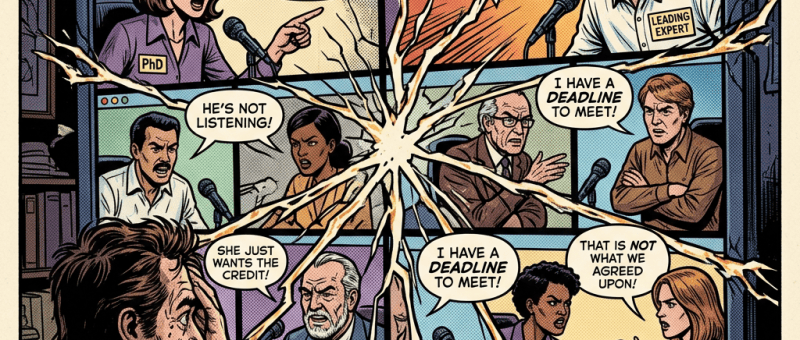
Professionals in a meeting room reacting with frustration to a remote video presentation.

By: Dr. Stephanie Diana Eubank DBA

The global shift toward remote and hybrid work has not simply changed where work happens it has fundamentally reshaped how leadership must function. Traditional leadership models, built on visibility, hierarchy, and control, are increasingly ill-suited for distributed environments. In their place, a new leadership paradigm is emerging one that prioritizes trust, communication, coaching, and learning. As this shift accelerates, leaders with teacher-like personalities and instructional leadership skills are becoming essential. Resistance to this evolution helps explain why many organizations continue to push return-to-office (RTO) mandates: not because remote work fails, but because outdated leadership strategies do.

The Limits of Traditional Leadership in Remote Work

Traditional leadership has long emphasized physical presence, direct oversight, and linear performance management. These approaches rely heavily on face-time as a proxy for productivity and compliance. However, extensive research now shows that such assumptions break down in remote contexts. A 2025 systematic review found that leadership competencies effective in telework environments differ meaningfully from traditional ones, emphasizing digital communication, empowerment, trust-building, and goal clarity rather than supervision (Bravo-Duarte et al., 2025).

Leaders who struggle in remote settings are often those who equate leadership with control. Without visual confirmation of effort people sitting at desks, attending meetings in person these leaders experience a perceived loss of authority. This discomfort frequently manifests as calls for RTO, framed as concerns about culture, collaboration, or productivity, despite empirical evidence that well-led remote teams perform as well as or better than in-office teams (Bloom, as cited in Walker, 2025).

Remote Work Demands a Shift From Managing to Teaching

Remote environments expose a leadership truth that has always existed but was easier to mask in offices: people cannot be effectively micromanaged into high performance. Instead, leaders must facilitate learning, remove obstacles, and develop capability core elements of teaching. Studies of effective remote leadership consistently highlight coaching, humanistic communication, and adaptability as central success factors (Barnes et al., 2024).

Teacher-leaders focus on helping employees understand the “why” behind their work, developing mastery, and encouraging autonomy. This mirrors findings from both organizational psychology and educational leadership research, which show that coaching-oriented leadership improves engagement, innovation, and self-efficacy (Purvanova & Kenda, 2022; Collins et al., 2025). In remote settings, where informal learning by observation disappears, intentional teaching replaces passive exposure.

Why Teacher Personalities Thrive in Distributed Teams

Leaders with teacher-like personalities naturally excel in remote environments because they:

• Communicate clearly and frequently
• Use formative feedback rather than punitive evaluation
• Encourage questions and normalize learning curves
• Design systems instead of policing behavior

These traits align with what remote work requires: asynchronous collaboration, psychological safety, and outcome-based performance. Research on hybrid and remote leadership shows that leaders who adopt instructional and coaching approaches are more effective at maintaining trust and cohesion across distance (Tigre et al., 2023; Sharma et al., 2025).

Importantly, this does not mean leaders lose authority. Instead, authority shifts from positional power to credibility earned through support, expertise, and consistency. This mirrors educational research where instructional leaders who act as learning partners, rather than enforcers, achieve stronger outcomes and higher motivation among professionals (Ceballos & Bixler, 2024).

Return-to-Office as a Leadership Coping Strategy

Despite mounting evidence supporting remote and hybrid work, many organizations persist with rigid RTO mandates. Cultural justifications are common, but deeper analysis suggests these policies often function as leadership coping mechanisms. Forbes and Harvard Business School analyses demonstrate that RTO decisions frequently reflect leaders’ comfort with traditional cultural signals visibility, sameness, and control rather than strategic or performance-based reasoning (Cheng & Groysberg, 2024; Walker, 2025).

Remote work exposes gaps in leadership capability. Leaders who lack coaching skills, emotional intelligence, or systems thinking may struggle to maintain influence without physical presence. Rather than developing new competencies, organizations may revert to office mandates that restore familiar power dynamics. However, this approach carries risk: enforced RTO has been linked to higher turnover, disengagement, and inequity, particularly for caregivers and disabled workers (IFS, 2023; Gallup, 2024).

The Future: Learning-Centered Leadership

The future of work is not about location it is about leadership maturity. As McKinsey (2025) notes, performance hinges less on where people work and more on whether leaders cultivate collaboration, mentorship, and skill development. These are inherently teaching functions.

Organizations that thrive in remote and hybrid environments are those that invest in leadership development focused on coaching, facilitation, and learning design. This requires letting go of the myth that leadership authority comes from proximity and embracing the reality that influence comes from enabling others to succeed.

In this new world of work, the most effective leaders will look less like supervisors and more like educators—guiding, supporting, and continually developing the people they lead. The resistance to this shift is not evidence that remote work fails. It is evidence that leadership, not work itself, must evolve.


References

Barnes, K., Vione, K., & Kotera, Y. (2024). Effective leadership practice among senior leaders working from home and in the hybrid workplace. *Journal of Work-Applied Management*. https://doi.org/10.1007/s43546-024-00651-4

Bravo-Duarte, F., Tordera, N., & Rodríguez, I. (2025). Overcoming virtual distance: Leadership competencies for managing telework. *Frontiers in Organizational Psychology*, 2. https://doi.org/10.3389/forgp.2024.1499248

Ceballos, M., & Bixler, K. (2024). Advancing instructional leadership through coaching. *Journal of Educational Supervision*, 7(1). https://doi.org/10.31045/jes.7.1.3

Cheng, Y.-J., & Groysberg, B. (2024). Return-to-office decisions: A culture question? *Management and Business Review*, 4(1), 8–15.

Collins, C., Murphy, R., & Brown, M. (2025). The power of coaching in leadership development. *Frontiers in Education*, 10. https://doi.org/10.3389/feduc.2025.1601455

McKinsey & Company. (2025). Returning to the office? Focus more on practices and less on the policy. https://www.mckinsey.com

Sharma, R., Choudhary, A., & Singh, P. (2025). Leading hybrid and remote teams. *International Journal for Multidisciplinary Research*.

Walker, J. (2025). Return-to-office: Culture reset or corporate misstep? *Forbes*.

If you enjoy this content like and subscribe.  Additionally, if you are interested in consulting services, please feel free to reach out to me through my social media channels.  Remember remote is here to stay.

YouTube: https://www.youtube.com/@Wickedbofthewest

Website: wickedbofthewestremoteconsulting.com

Facebook: https://www.facebook.com/WickedBoftheWestBusinessConsulting

Instagram: https://www.instagram.com/wickedbofthewestconsulting/

Blog: drstephaniebeardbaremoteresearch.org

LinkedIn: https://www.linkedin.com/in/stephanie-diana-eubank-dba/

TikTok: https://www.tiktok.com/@stephanie.eubank6

New Website: wickedbofthewestconsulting.com

Email: Drstephaniedeubank@wickedbofthewestconsulting.coma/

TikTok: @stephaniedianaeubank

New Website: wickedbofthewestconsulting.comtconsulting.com

Strategies for Overcoming Burnout in Remote Teams

By: Dr. Stephanie Diana Eubank DBA

Emotional or psychological isolation reflects the internal experience of remote work—feelings such as loneliness, anxiety, burnout, or reduced motivation. It can persist even when communication is frequent, especially if interactions feel transactional, surveillance‑based, or lacking genuine connection. Recent reviews synthesize growing evidence that reduced in‑person connection and weak social structures elevate emotional strain and depress performance for remote workers (Figueiredo, Margaça, & Sánchez‑García, 2025; Lyzwinski, 2024). Harvard Business Review likewise reports that loneliness in remote teams can significantly impact performance, underscoring the need to intentionally create community and belonging (Montañez, 2024). Adding to this, the World Health Organization recognizes burnout as an occupational phenomenon characterized by exhaustion, cynicism, and reduced efficacy—symptoms that can be intensified by poorly designed remote practices (World Health Organization [WHO], 2019).

Why emotional isolation happens: Not all digital contact builds connection. Research points to several drivers—loss of informal social cues; opaque or one‑way communication; and “always‑on” surveillance or monitoring that undermines autonomy and trust. National and international surveys have documented the expansion of electronic monitoring and its links to higher stress and anxiety, indicating that how we communicate and measure work matters for mental well‑being (Hertel‑Fernandez, 2024; U.S. GAO, 2024; Glavin et al., 2024). Beyond stress, loneliness and difficulties with emotion regulation are associated with higher depression, anxiety, and stress in remote workers (Korkmaz et al., 2025).

How Workers Can Curb Emotional Isolation

• Build intentional micro‑connections: schedule brief 1:1s, use small‑group coffees, and follow up after meetings to convert transactional touchpoints into relational ones (Montañez, 2024).

• Name the need: tell teammates and managers which formats help you feel supported (e.g., monthly career check‑ins, peer feedback circles); research links perceived social support with better well‑being (O’Hare et al., 2024).

• Set humane boundaries: define notification windows and recovery time; align these with team norms to reduce chronic stress that feeds burnout (WHO, 2019).

• Leverage weak‑tie networks: participate in communities of practice or ERGs; even “weak ties” are associated with higher satisfaction and belonging (American Psychological Association [APA], 2024).

• Use reflective practices: mood check‑ins, journaling, and emotion‑regulation skills—approaches associated with lower depression/anxiety in remote contexts (Korkmaz et al., 2025).

How Leaders Can Curb Emotional Isolation

• Design for belonging, not just broadcast: replace purely transactional updates with rituals that foster community (wins, gratitude, story‑sharing); HBR identifies recognition and career‑support as levers against loneliness (Montañez, 2024).

• Make psychological safety explicit: set norms for candor, questions, and dissent; APA data link psychological safety to stronger belonging and lower toxicity (APA, 2024).

• Audit surveillance and measurement: minimize intrusive monitoring, increase autonomy, and emphasize outcomes over activity; multiple studies connect high surveillance to greater stress and distress (Hertel‑Fernandez, 2024; Glavin et al., 2024; U.S. GAO, 2024).

• Train managers for high‑quality digital communication: clarity, empathy, cadence, and availability reduce isolation and improve engagement in hybrid teams (Tsipursky, 2024).

• Normalize recovery: model boundaries, encourage time off, and monitor workload; align practices with WHO’s burnout guidance to prevent exhaustion and cynicism (WHO, 2019).

References (APA 7)

American Psychological Association. (2024, June 26). A sense of belonging is crucial for employees. How employers can foster connection and social support. https://www.apa.org/topics/healthy-workplaces/fostering-connection

Figueiredo, E., Margaça, C., & Sánchez‑García, J. C. (2025). Loneliness and isolation in the era of telework: A comprehensive review of challenges for organizational success. Healthcare, 13(16), 1943. https://doi.org/10.3390/healthcare13161943

Glavin, P., Bierman, A., & Schieman, S. (2024). Private eyes, they see your every move: Workplace surveillance and worker well‑being. Social Currents. https://doi.org/10.1177/23294965241228874

Hertel‑Fernandez, A. (2024, October 1). Estimating the prevalence of automated management and surveillance technologies at work and their impact on workers’ well‑being. Washington Center for Equitable Growth. https://equitablegrowth.org/research-paper/estimating-the-prevalence-of-automated-management-and-surveillance-technologies-at-work-and-their-impact-on-workers-well-being/

Korkmaz, U., Şimşek, M. H., & Şahin, Ö. F. (2025). The effect of emotion regulation difficulties and loneliness on anxiety, depression, and stress levels in remote workers. BMC Public Health, 25, 2572. https://link.springer.com/article/10.1186/s12889-025-23855-1

Lyzwinski, L. N. (2024). Organizational and occupational health issues with working remotely during the pandemic: A scoping review. Journal of Occupational Health, 66(1). https://doi.org/10.1093/joccuh/uiae005

Montañez, R. (2024, March 22). Fighting loneliness on remote teams. Harvard Business Review. https://hbr.org/2024/03/fighting-loneliness-on-remote-teams

O’Hare, D., Gaughran, F., Stewart, R., & Pinto da Costa, M. (2024). A cross‑sectional investigation on remote working, loneliness, workplace isolation, well‑being and perceived social support in healthcare workers. BJPsych Open, 10, e50. https://doi.org/10.1192/bjo.2024.7

Tsipursky, G. (2024, July 29). Mastering remote and hybrid team communication. Psychology Today. https://www.psychologytoday.com/us/blog/intentional-insights/202407/mastering-remote-and-hybrid-team-communication

U.S. Government Accountability Office. (2024, August 28). Digital surveillance of workers: Tools, uses, and stakeholder perspectives (GAO‑24‑107639). https://www.gao.gov/products/gao-24-107639

World Health Organization. (2019, May 28). Burn‑out an “occupational phenomenon”: International Classification of Diseases. https://www.who.int/news/item/28-05-2019-burn-out-an-occupational-phenomenon-international-classification-of-diseases

If you enjoy this content like and subscribe.  Additionally, if you are interested in consulting services, please feel free to reach out to me through my social media channels.  Remember remote is here to stay.

YouTube: https://www.youtube.com/@Wickedbofthewest

Website: wickedbofthewestremoteconsulting.com

Facebook: https://www.facebook.com/WickedBoftheWestBusinessConsulting

Instagram: https://www.instagram.com/wickedbofthewestconsulting/

Blog: drstephaniebeardbaremoteresearch.org

LinkedIn: https://www.linkedin.com/in/stephanie-diana-eubank-dba/

TikTok: https://www.tiktok.com/@stephanie.eubank6

New Website: wickedbofthewestconsulting.com
Email: Drstephaniedeubank@wickedbofthewestconsulting.coma/

TikTok: @stephaniedianaeubank

New Website: wickedbofthewestconsulting.comtconsulting.com

Remote Work: A Game Changer for Women’s Careers and Caregiving

By: Dr. Stephanie Diana Eubank DBA

March is Women’s History Month, a time to reflect not only on the achievements of women throughout history, but also on the systems and structures that either support or hinder women today. One of the most transformative shifts in the modern workforce has been the rise of remote work. For many women, especially those balancing professional responsibilities with unpaid caregiving, remote work is not a perk, it is an essential accommodation that makes workforce participation possible.

Research consistently shows that women perform the majority of unpaid caregiving labor in the United States. According to the National Partnership for Women & Families (2025), women account for approximately two-thirds of all unpaid caregiving, contributing nearly 300 hours per year on average to caring for children, spouses, aging parents, and family members with disabilities. This labor is economically significant, valued at over $1.1 trillion annually, yet it remains largely invisible and unsupported by traditional workplace structures.

Unpaid caregiving has direct consequences for women’s careers and financial security. Studies from the U.S. Department of Labor (2023) indicate that women, particularly older women, are more likely to reduce work hours, decline promotions, or exit the workforce entirely due to caregiving responsibilities. These career interruptions compound gender pay gaps, reduce retirement security, and limit leadership representation. Without flexibility, many women are forced to make an impossible choice between providing care and maintaining meaningful employment.

Remote work has emerged as one of the most effective tools for supporting working caregivers. Flexible, location-independent roles allow women to integrate paid work with caregiving responsibilities in ways that rigid office-based schedules do not. Research from S&P Global and AARP (2024) shows that caregivers with access to flexible or remote work are more likely to remain employed, report better work-life balance, and experience less stress when managing competing demands. Remote work does not eliminate caregiving labor, but it reduces the structural penalties associated with it.

The tech industry offers an important historical case study in how workplace policy decisions can disproportionately impact women. In 2013, Yahoo became the first major technology company to mandate a full return to the office, eliminating remote work options under then-CEO Marissa Mayer. This decision, one of the earliest high-profile return-to-office mandates, had ripple effects across Silicon Valley and disproportionately affected women, particularly working mothers and caregivers who relied on flexibility to remain in tech roles (Time, 2013; CNBC, 2013). Rather than improving equity or innovation, the policy was widely criticized for pushing women out of the workforce at a moment when remote work was offering new pathways into it.

More than a decade later, the lesson from Yahoo’s 2013 decision remains relevant. When organizations remove flexibility, women leave, not because they lack ambition or skill, but because systems are designed around an outdated assumption of who work is for. Remote work challenges that assumption by recognizing that productivity and professionalism are not tied to physical presence, but to outcomes, trust, and accessibility.

On a personal level, I know that remote work has fundamentally shaped my ability to succeed both as a professional and as a mother. I would not be the mother I am today without remote work. The flexibility to attend appointments, respond to family needs, and still show up fully in my career has allowed me to build a life that does not require constant sacrifice of one role for another. Remote work did not lower my standards—it raised my capacity. It allowed me to be present, engaged, and sustainable in ways that traditional office environments never did.

As we honor Women’s History Month, it is critical to recognize remote work as a continuation of women’s advocacy, not a trend, but a structural advancement. Supporting remote and flexible work is one way organizations can acknowledge the realities of unpaid caregiving, retain skilled women in the workforce, and contribute to long-term gender equity. The future of work must be designed with women, caregivers, and families in mind, because when work works for women, it works better for everyone.

References

AARP & S&P Global. (2024). Working while caregiving: It’s complicated. https://www.aarp.org/press/releases/2024-5-16-us-workforce-report-70-caregivers-difficulty-balancing-career-caregiving-responsibilities.html

National Partnership for Women & Families. (2025). Unpaid caregiving in the U.S. valued at more than $1.1 trillion. https://nationalpartnership.org/news_post/unpaid-caregiving-valued-at-more-than-1-trillion-per-new-analysis/

U.S. Department of Labor, Women’s Bureau. (2023). Older women and unpaid caregiving in the United States. https://www.dol.gov/sites/dolgov/files/WB/WBIssueBrief-OlderWomenAndUnpaidCaregiving.pdf

Time Magazine. (2013, February 26). Memo read round the world: Yahoo says no to working at home. https://business.time.com/2013/02/26/memo-read-round-the-world-yahoo-says-no-to-working-at-home/

CNBC. (2013, February 22). Yahoo CEO Marissa Mayer cracks down on remote workers. https://www.cnbc.com/2013/02/22/yahoo-ceo-marissa-mayer-cracks-down-on-remote-workers-report.html

If you enjoy this content like and subscribe.  Additionally, if you are interested in consulting services, please feel free to reach out to me through my social media channels.  Remember remote is here to stay.

YouTube: https://www.youtube.com/@Wickedbofthewest

Website: wickedbofthewestremoteconsulting.com

Facebook: https://www.facebook.com/WickedBoftheWestBusinessConsulting

Instagram: https://www.instagram.com/wickedbofthewestconsulting/

Blog: drstephaniebeardbaremoteresearch.org

LinkedIn: https://www.linkedin.com/in/stephanie-diana-eubank-dba/

TikTok: https://www.tiktok.com/@stephanie.eubank6

New Website: wickedbofthewestconsulting.com

Email: Drstephaniedeubank@wickedbofthewestconsulting.coma/

TikTok: @stephaniedianaeubank

New Website: wickedbofthewestconsulting.comtconsulting.com

Overcoming Isolation in Remote Teams Across Time Zones

By: Dr. Stephanie Diana Eubank DBA

Geographic and temporal isolation arise when teams are dispersed across regions, countries, or continents, and work occurs across non-overlapping time zones. Even highly connected remote teams may struggle to maintain cohesion when synchronous communication is limited or when collaboration windows shrink due to time zone differences. Research shows that geographical distance and asynchronous workflows can exacerbate feelings of disconnection, reduce real-time collaboration, and impact organizational well-being. For example, Figueiredo et al. (2025) found that reduced physical and temporal proximity increases emotional strain and workplace isolation. Furthermore, APA research shows that social connection—including even weak interpersonal ties—is central to well-being, and its absence can intensify feelings of workplace loneliness.

Teams that span multiple time zones often encounter slowed decision-making, fragmented communication, and uneven meeting participation. Montañez (2024) notes that remote teams require intentional strategies to build community, as a lack of shared time and real-time interaction can weaken relational bonds. Additional research on remote-worker mental health also links isolation and limited interpersonal touchpoints to increased anxiety and stress (Korkmaz et al., 2025).

How Workers Can Reduce Geographic and Temporal Isolation

• Use asynchronous tools intentionally—recorded video updates, annotated documents, or shared dashboards—to stay aligned without needing real-time overlap.

• Establish personal communication windows and share availability clearly to maximize efficient collaboration.

• Rotate meeting times for recurring cross-time-zone meetings to distribute the burden of early or late hours fairly.

• Build weak-tie connections by engaging in asynchronous community discussions, forums, or digital team spaces—shown to improve belonging.

• Proactively communicate blockers or questions ahead of time to prevent workflow delays caused by time-zone gaps.

How Leaders Can Reduce Geographic and Temporal Isolation

• Adopt a “follow-the-sun” workflow design where tasks are handed off fluidly across time zones to maintain momentum.

• Default to asynchronous-first communication for updates, documentation, and decisions to reduce dependence on synchronous meetings.

• Create clear team agreements around response times, availability expectations, and communication channels to prevent burnout—aligned with WHO burnout prevention guidance.

• Invest in digital infrastructure that supports shared visibility, such as project management systems and searchable knowledge bases, reducing real-time dependency.

• Schedule periodic synchronous touchpoints focused on relationship building—not just status updates—to reinforce team cohesion.

References (APA 7)

American Psychological Association. (2024). A sense of belonging is crucial for employees. https://www.apa.org/topics/healthy-workplaces/fostering-connection

Figueiredo, E., Margaça, C., & Sánchez-García, J. C. (2025). Loneliness and isolation in the era of telework: A comprehensive review of challenges for organizational success. Healthcare, 13(16), 1943. https://doi.org/10.3390/healthcare13161943

Korkmaz, U., Şimşek, M. H., & Şahin, Ö. F. (2025). The effect of emotion regulation difficulties and loneliness on anxiety, depression, and stress levels in remote workers. BMC Public Health, 25, 2572.

Montañez, R. (2024). Fighting loneliness on remote teams. Harvard Business Review. https://hbr.org/2024/03/fighting-loneliness-on-remote-teams

World Health Organization. (2019). Burn-out an occupational phenomenon: International Classification of Diseases. https://www.who.int/news/item/28-05-2019-burn-out-an-occupational-phenomenon-international-classification-of-diseases

If you enjoy this content like and subscribe.  Additionally, if you are interested in consulting services, please feel free to reach out to me through my social media channels.  Remember remote is here to stay.

YouTube: https://www.youtube.com/@Wickedbofthewest

Website: wickedbofthewestremoteconsulting.com

Facebook: https://www.facebook.com/WickedBoftheWestBusinessConsulting

Instagram: https://www.instagram.com/wickedbofthewestconsulting/

Blog: drstephaniebeardbaremoteresearch.org

LinkedIn: https://www.linkedin.com/in/stephanie-diana-eubank-dba/

TikTok: https://www.tiktok.com/@stephanie.eubank6

New Website: wickedbofthewestconsulting.com
Email: Drstephaniedeubank@wickedbofthewestconsulting.coma/

TikTok: @stephaniedianaeubank

New Website: wickedbofthewestconsulting.comtconsulting.com

Enhancing Connection for Remote Workers

By Dr. Stephanie Diana Eubank DBA

Cultural isolation occurs when remote workers feel disconnected from the values, customs, rituals, or social norms that shape an organization’s internal identity. Without daily exposure to shared behaviors, insider language, informal interactions, or symbolic traditions, remote employees may struggle to interpret unwritten rules or fully integrate into team culture. Research shows that when remote work reduces opportunities for organic connection, workers face higher risks of disengagement, loneliness, and reduced performance. Harvard Business Review (2024) highlights that a lack of community and shared cultural experiences contributes directly to decreased engagement and well‑being in remote teams, emphasizing the importance of intentional cultural signals (citeturn37search4).

Similarly, Figueiredo et al. (2025) note that the absence of structured social environments and community rituals exacerbates feelings of psychological detachment in remote employees, underscoring how cultural cues play a critical role in organizational belonging. Lyzwinski (2024) further found that employees who lack regular connection with leaders and teammates report heightened isolation and uncertainty regarding workplace expectations and norms. Together, these findings show that cultural isolation is not merely emotional—it is structural and can directly affect performance, knowledge sharing, and long‑term retention.

How Workers Can Reduce Cultural Isolation

• Participate actively in virtual social spaces, chat channels, or community forums to stay connected to team culture.

• Request clarity on team norms, preferred communication styles, and decision‑making processes when expectations feel unclear.

• Initiate regular touchpoints with peers to build informal relationships similar to in‑office interactions.

• Volunteer for cross‑departmental projects or committees to gain exposure to broader organizational culture.

• Attend optional virtual events, recognition ceremonies, or knowledge‑sharing sessions to remain included in cultural rituals.

How Leaders Can Reduce Cultural Isolation

• Overcommunicate cultural expectations by making values, norms, and working agreements explicit rather than assumed.

• Establish predictable rituals—team huddles, celebrations, onboarding ceremonies—that translate well into virtual formats.

• Ensure new hires are matched with cultural ambassadors or peer mentors who can model unwritten rules and norms.

• Create open, psychologically safe communication channels so remote employees can ask questions without fear of judgment.

• Use strategic recognition and storytelling to reinforce company culture in ways that reach all employees, not only those on‑site.

References (APA 7)

Figueiredo, E., Margaça, C., & Sánchez‑García, J. C. (2025). Loneliness and isolation in the era of telework: A comprehensive review of challenges for organizational success. Healthcare, 13(16), 1943. https://doi.org/10.3390/healthcare13161943

Lyzwinski, L. N. (2024). Organizational and occupational health issues with working remotely during the pandemic: A scoping review. Journal of Occupational Health, 66(1). https://doi.org/10.1093/joccuh/uiae005

Montañez, R. (2024). Fighting loneliness on remote teams. Harvard Business Review. https://hbr.org

If you enjoy this content like and subscribe.  Additionally, if you are interested in consulting services, please feel free to reach out to me through my social media channels.  Remember remote is here to stay.

YouTube: https://www.youtube.com/@Wickedbofthewest

Website: wickedbofthewestremoteconsulting.com

Facebook: https://www.facebook.com/WickedBoftheWestBusinessConsulting

Instagram: https://www.instagram.com/wickedbofthewestconsulting/

Blog: drstephaniebeardbaremoteresearch.org

LinkedIn: https://www.linkedin.com/in/stephanie-diana-eubank-dba/

TikTok: https://www.tiktok.com/@stephanie.eubank6

New Website: wickedbofthewestconsulting.com
Email: Drstephaniedeubank@wickedbofthewestconsulting.coma/

TikTok: @stephaniedianaeubank

New Website: wickedbofthewestconsulting.comtconsulting.com

Combatting Organizational Isolation in Remote Work

By: Dr. Stephanie Diana Eubank DBA

Structural or organizational isolation occurs when the systems, workflows, and processes of an organization are built primarily for in‑person teams. Remote workers often face barriers such as unclear procedures, siloed communication channels, limited access to decision makers, and tech or cultural norms that privilege on‑site presence. Research shows that these structural gaps can reduce collaboration, hinder information flow, and negatively affect well‑being and performance. For example, Figueiredo et al. (2025) note that remote workers experience increased detachment when organizational structures fail to account for distributed teams, leading to reduced productivity and higher emotional strain. Similarly, Lyzwinski (2024) found that isolation in remote environments significantly affects job satisfaction and well‑being, with social support and clear communication acting as key mitigating factors.

Organizational isolation is not just a lack of social interaction; it is the result of systems that unintentionally limit access to information. Research on informational isolation highlights the impact of siloed communication environments, which make it harder for remote workers to access timely information and connect cross‑functionally. Harvard Business Review (2024) also emphasizes that a lack of community and cross‑team visibility contributes to decreased engagement and performance in virtual settings.

Fortunately, both leaders and employees can take proactive steps to curb the effects of organizational isolation.

How Workers Can Reduce Organizational Isolation

• Proactively document and clarify workflows when procedures feel vague.

• Use shared collaborative tools (e.g., project trackers, knowledge bases) to maintain visibility across teams.

• Schedule regular check‑ins with cross‑functional partners to replace in‑person hallway conversations.

• Request access to meeting recordings, decision logs, or documentation to stay aligned with organizational changes.

• Join employee‑led communities or affinity groups to build informal communication channels.

How Leaders Can Reduce Organizational Isolation

• Design workflows that default to transparency—open channels, shared documentation, and cross‑team visibility.

• Ensure decision‑making processes are accessible, documented, and communicated consistently.

• Train managers in remote leadership communication practices, which research identifies as essential for reducing isolation.

• Develop intentional relationship‑building rituals such as monthly team‑wide forums, recognition rituals, or cross‑team collaboration cycles.

• Redesign systems so remote workers have equal access to opportunities, information, and leadership visibility.

References (APA 7)

Figueiredo, E., Margaça, C., & Sánchez-García, J. C. (2025). Loneliness and isolation in the era of telework: A comprehensive review of challenges for organizational success. Healthcare, 13(16), 1943. https://doi.org/10.3390/healthcare13161943

Lyzwinski, L. N. (2024). Organizational and occupational health issues with working remotely during the pandemic: A scoping review. Journal of Occupational Health, 66(1). https://doi.org/10.1093/joccuh/uiae005

Eubank, S. (2026). Combatting informational isolation in remote work. https://drstephaniebeardbaremoteresearch.org

Montañez, R. (2024). Fighting loneliness on remote teams. Harvard Business Review. https://hbr.org

Tsipursky, G. (2024). Mastering remote and hybrid team communication. Psychology Today. https://psychologytoday.com

If you enjoy this content like and subscribe.  Additionally, if you are interested in consulting services, please feel free to reach out to me through my social media channels.  Remember remote is here to stay.

YouTube: https://www.youtube.com/@Wickedbofthewest

Website: wickedbofthewestremoteconsulting.com

Facebook: https://www.facebook.com/WickedBoftheWestBusinessConsulting

Instagram: https://www.instagram.com/wickedbofthewestconsulting/

Blog: drstephaniebeardbaremoteresearch.org

LinkedIn: https://www.linkedin.com/in/stephanie-diana-eubank-dba/

TikTok: https://www.tiktok.com/@stephanie.eubank6

New Website: wickedbofthewestconsulting.com

Email: Drstephaniedeubank@wickedbofthewestconsulting.coma/

TikTok: @stephaniedianaeubank

New Website: wickedbofthewestconsulting.comtconsulting.com