 Written by
 By: Dr. Stephanie Diana Eubank DBA
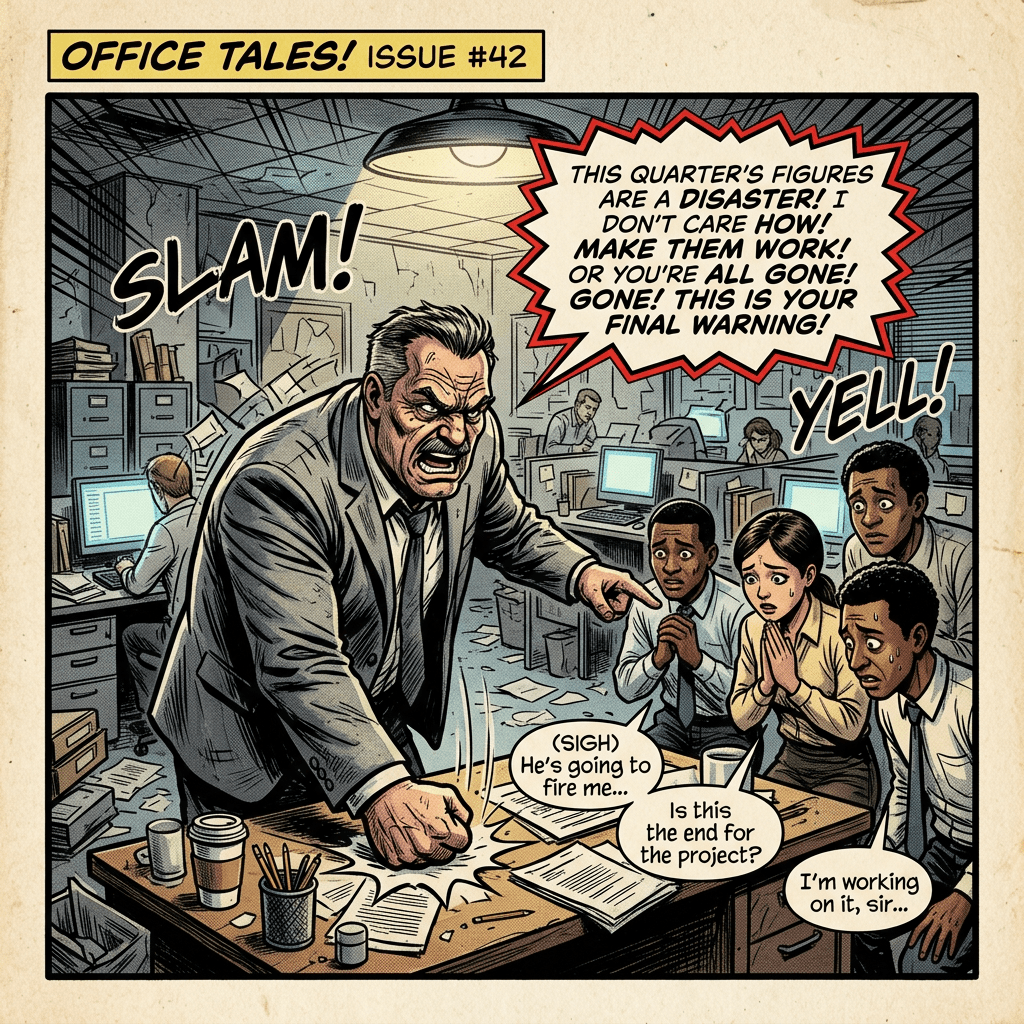
Let’s be honest, plenty of companies still operate like it’s 1995 when it comes to leadership. Fear, control, and the constant reminder that “you’re replaceable” are still baked into many workplace cultures. But what leaders often miss is the real cost of running teams this way. It’s not just about morale, it’s about long-term damage. Drawing on trauma-informed perspectives and current research, this article explores how fear-based leadership isn’t just outdated; it actively contributes to workplace PTSD and CPTSD, erodes trust, stifles innovation, and quietly drains organizations of the very talent they need to survive.
Firstly, let’s define fear-based leadership. Fear-based leadership is, defined as the use of intimidation or threat to enforce compliance, and continues to persist despite decades of leadership research demonstrating its harm. Such approaches may generate short-term productivity but result in long-term dysfunction, reduced trust, and diminished innovation.
Workplace environments characterized by power imbalances, harsh criticism, and emotional volatility can contribute to trauma responses, including PTSD. It is estimated that 7–19% of employees exposed to workplace trauma may develop PTSD symptoms.
The CPTSD Foundation (2023) emphasizes that emotional safety is critical in the workplace. Complex PTSD includes emotional dysregulation, such as overwhelming fear, shame, and powerlessness, often triggered by workplace interactions.
Destructive leadership behaviors generate significant costs through turnover, absenteeism, legal exposure, and reputational damage. Toxic leadership not only drives employees to leave—often at replacement costs ranging from 90% to 200% of salary but also creates environments where stress becomes chronic and organizational performance declines.
The financial burden extends far beyond turnover. Workplace stress often fueled by fear-based leadership and psychologically unsafe environments is associated with approximately 120,000 deaths annually in the United States and drives massive healthcare and productivity costs that total billions each year. When these conditions escalate into trauma responses such as PTSD or CPTSD, organizations absorb compounded costs through disability claims, lost productivity, disengagement, and increased legal risk.
Remote work technologies are accelerating accountability in ways traditional leadership models were never built to handle. Increased transparency through collaboration platforms, shared dashboards, and AI-enabled tools expose leadership behavior in real time, making it harder to hide toxic patterns. These systems shift the focus from surveillance to outcomes and trust, encouraging autonomy while also holding leaders accountable for how they treat their teams.
Fear-based leadership is outdated and harmful. Organizations must shift toward trust-based, trauma-informed leadership models to remain competitive.
References
Bennett, C. (2023, March 2). CPTSD in the workplace: Emotional safety. CPTSD Foundation. https://cptsdfoundation.org/2023/03/02/cptsd-in-the-workplace-emotional-safety/
Bourne, P. A. (2026). Leadership by fear: Costs, benefits, and consequences. International Journal of Emerging Trends in Information & Knowledge Management.
Forcada, R. G. (2025, March 31). Rebuilding trust in a remote work era: The intersection of technology and authentic leadership. Forbes. https://www.forbes.com/councils/forbestechcouncil/2025/03/31/rebuilding-trust-in-a-remote-work-era-the-intersection-of-technology-and-authentic-leadership/
Hubbart, J. A. (2024). Understanding and mitigating leadership fear-based behaviors on employee and organizational success. Administrative Sciences.
Jian, Q., Wang, X., Al-Smadi, H. M., Waheed, A., Badulescu, A., & Samad, S. (2022). Proposing a robust model to reduce employees’ turnover intentions in an ethical leadership framework. International Journal of Environmental Research and Public Health, 19(15), 8939. https://doi.org/10.3390/ijerph19158939 [pmc.ncbi.nlm.nih.gov]
Occupational Safety and Health Administration. (n.d.). Workplace stress. U.S. Department of Labor. https://www.osha.gov/workplace-stress/ [osha.gov]
Westover, J. H. (2025). The total cost of difficult leaders: Calculating the hidden expense of toxic management. Preprints.
Workplace Options. (2023). Understanding workplace trauma and work-related PTSD. https://www.workplaceoptions.com/blog/understanding-workplace-trauma-and-work-related-ptsd/
If you enjoy this content like and subscribe. Additionally, if you are interested in consulting services, please feel free to reach out to me through my social media channels. Remember remote is here to stay.
YouTube: https://www.youtube.com/@Wickedbofthewest
Website: wickedbofthewestremoteconsulting.com
Facebook: https://www.facebook.com/WickedBoftheWestBusinessConsulting
Instagram: https://www.instagram.com/wickedbofthewestconsulting/
Blog: drstephaniebeardbaremoteresearch.org
LinkedIn: https://www.linkedin.com/in/stephanie-diana-eubank-dba/
TikTok: https://www.tiktok.com/@stephanie.eubank6
New Website: wickedbofthewestconsulting.com
Email: Drstephaniedeubank@wickedbofthewestconsulting.com or stephaniedeubank@gmail.com
TikTok: @stephaniedianaeubank
New Website: wickedbofthewestconsulting.com

