 Written by
 By: Dr. Stephanie Diana Eubank DBA
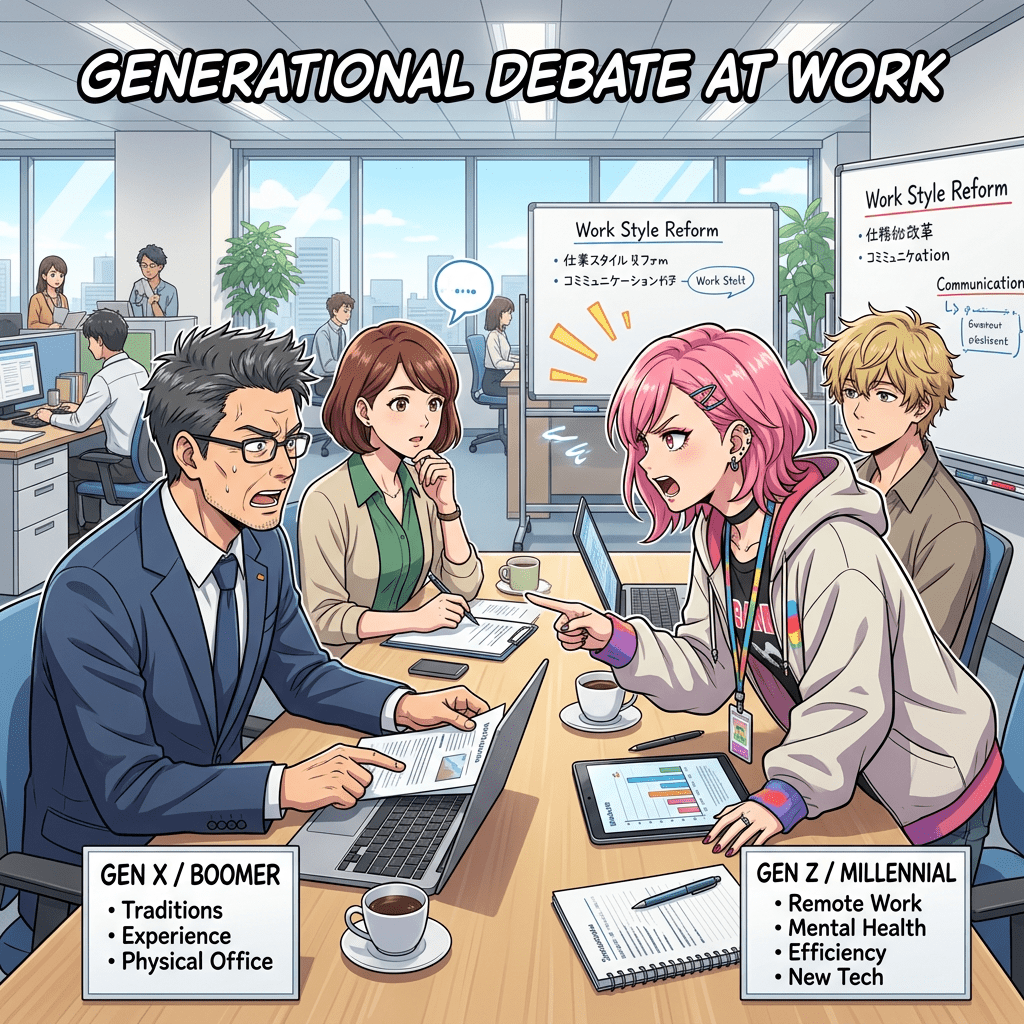
In today’s business landscape, organizations are increasingly consumed with debates about generational differences in followership Millennials versus Gen Z, Baby Boomers versus Gen X. These conversations often center on perceived differences in work ethic, communication preferences, or expectations around flexibility. However, this generational framing risks obscuring a deeper and more pressing issue: the erosion of fundamental leadership boundaries and respect for employees’ time and labor.
Blaming generational differences for workplace friction can be misleading. Scholars have shown that differences attributed to generations are often overstated and may instead reflect organizational culture, leadership practices, and structural conditions (Costanza et al., 2012). When organizations focus excessively on generational stereotypes, they divert attention away from leadership accountability particularly around practices that disregard employees’ time and value.
One of the most concerning examples of boundary violations in modern workplaces is the expectation that employees participate in meetings outside of their scheduled working hours without compensation. This practice is often normalized under the guise of flexibility, global collaboration, or urgency. However, it reflects a breakdown in basic organizational norms and ethical leadership practices.
Research on work-life boundaries consistently emphasizes the importance of respecting employees’ non-work time. When boundaries between work and personal life are violated, employees experience increased stress, burnout, and reduced job satisfaction (Allen et al., 2014). Scheduling meetings outside of agreed-upon work hours especially without compensation signals to employees that their time is not valued. It undermines psychological contracts, the unwritten expectations between employees and employers, which are essential for maintaining trust and engagement.
From a compensation perspective, expecting unpaid labor raises serious ethical and legal concerns. Labor economics and organizational behavior research highlight that compensation is not merely transactional; it is symbolic of how organizations value their employees’ contributions. When employees are asked to work beyond their compensated time without appropriate pay, it devalues both their labor and their professional worth.
Leadership plays a critical role in shaping these norms. Ethical leadership requires modeling respect, fairness, and accountability. Leaders who ignore boundaries such as by scheduling late-night or early-morning meetings without considering employees’ schedules create environments where overwork becomes normalized and exploitation can occur. Over time, this erodes organizational culture and contributes to disengagement and turnover.
Importantly, these issues are not generational they are systemic. Employees across all age groups value respect, fairness, and clear boundaries. By framing workplace challenges as generational conflicts, organizations risk overlooking the structural and leadership-driven factors that truly shape employee experiences.
To move forward, businesses must shift their focus from generational blame to leadership responsibility. This includes setting clear expectations about work hours, ensuring that meetings are scheduled within those hours whenever possible, and compensating employees fairly when exceptions are necessary. It also requires leaders to reflect on their own practices and consider how their actions impact employee well-being and organizational trust.
Ultimately, respecting employees’ time is not just a matter of policy it is a reflection of organizational values. When leaders honor boundaries and compensate work appropriately, they demonstrate respect for followership roles and reinforce a culture of fairness and professionalism. Without these foundational practices, no amount of generational analysis will address the real challenges facing today’s workplaces.
References
Allen, T. D., Cho, E., & Meier, L. L. (2014). Work–family boundary dynamics. Annual Review of Organizational Psychology and Organizational Behavior, 1, 99–121.
Costanza, D. P., Badger, J. M., Fraser, R. L., Severt, J. B., & Gade, P. A. (2012). Generational differences in work-related attitudes: A meta-analysis. Journal of Business and Psychology, 27(4), 375–394.
If you enjoy this content like and subscribe. Additionally, if you are interested in consulting services, please feel free to reach out to me through my social media channels. Remember remote is here to stay.
YouTube: https://www.youtube.com/@Wickedbofthewest
Website: wickedbofthewestremoteconsulting.com
Facebook: https://www.facebook.com/WickedBoftheWestBusinessConsulting
Instagram: https://www.instagram.com/wickedbofthewestconsulting/
Blog: drstephaniebeardbaremoteresearch.org
LinkedIn: https://www.linkedin.com/in/stephanie-diana-eubank-dba/
TikTok: https://www.tiktok.com/@stephanie.eubank6
New Website: wickedbofthewestconsulting.com
Email: Drstephaniedeubank@wickedbofthewestconsulting.com or stephaniedeubank@gmail.com
TikTok: @stephaniedianaeubank
New Website: wickedbofthewestconsulting.com
Also, be sure to check out my first textbook on Operations Management. The book is titled “Remote Work Is Here to Stay: Rethinking Operations Management in the Modern Work Era.” You can purchase the textbook on Amazon at the link below.
https://www.amazon.com/gp/aw/d/B0H5BPJCHJ/ref=tmm_pap_swatch_0

