The Leadership Disconnect: Navigating Authenticity and Criticism for Women Leaders

By: Dr. Stephanie Diana Eubank DBA

Women in leadership often face a unique and persistent challenge: the double bind of communication expectations. While assertiveness is celebrated in male leaders, women who exhibit similar behaviors are frequently labeled as “aggressive” or “abrasive” (Lim, 2025). Conversely, when women soften their tone to avoid criticism, they risk being perceived as lacking authority or confidence (Muselman, 2025). This disconnect creates a frustrating paradox for women striving to lead effectively while remaining true to themselves.

The Criticism Behind Tone and Assertiveness

Feedback such as “don’t communicate so aggressively” often stems from entrenched gender norms that equate leadership with traditionally masculine traits like dominance and decisiveness (Eagly, 2024). Women who challenge these norms by speaking directly or advocating strongly for their ideas may encounter resistance, even when their approach mirrors that of male counterparts (Mann, 2025). These criticisms are not always malicious; they can reflect unconscious bias or cultural expectations within organizations.

Rather than internalizing such feedback as a personal failing, women can view it through the lens of managing up understanding their manager’s perspective while maintaining authenticity (Forbes Coaches Council, 2025). This approach allows leaders to take criticism “with a grain of salt,” using it as data rather than a directive, and to refine their communication style without compromising their values.

Authentic Leadership as the Antidote

Authentic leadership emphasizes self-awareness, transparency, and alignment between values and actions (Avolio & Gardner, 2005). For women, authenticity is not just a leadership style—it’s a survival strategy in systems that often demand conformity. Leading authentically means rejecting the notion that success requires mimicking dominant norms and instead embracing one’s natural strengths, such as empathy, collaboration, and integrity (Batra, 2025).

Authenticity also mitigates burnout. Research shows that behaving in ways misaligned with personal values is exhausting and unsustainable (Center for Creative Leadership, 2025). Women who cultivate authentic leadership practices—such as clarifying priorities, setting boundaries, and communicating with intentionality—are better equipped to thrive and inspire trust.

Managing Your Boss While Building Authentic Leadership

One of the most overlooked leadership skills is the ability to manage upward—strategically, influencing and aligning with your boss while staying true to your own leadership identity. For women developing an authentic leadership style, this concept is especially powerful because it shifts the narrative from passive compliance to proactive partnership.

Why Managing Up Matters
Managing your boss isn’t about manipulation; it’s about creating clarity, trust, and mutual success. When you understand your boss’s priorities, communication style, and decision-making process, you can anticipate needs and position your ideas effectively. This not only strengthens your credibility but also ensures your team’s work aligns with organizational goals.

Authenticity as a Strategic Advantage
Women often face pressure to conform to traditional leadership norms—assertive yet not “too assertive,” collaborative but not “too soft.” Managing up authentically means rejecting these rigid expectations and leading from your values. Instead of mimicking someone else’s style, leverage your strengths—whether that’s empathy, strategic thinking, or adaptability—to build influence without sacrificing integrity.

Practical Strategies for Managing Up Authentically

  • Clarify Expectations: Schedule regular check-ins to understand priorities and successful metrics.
  • Communicate Your Vision: Share how your approach supports organizational goals while reflecting your leadership values.
  • Offer Solutions, Not Problems: Frame challenges with actionable recommendations to demonstrate initiative.
  • Build Trust Through Transparency: Be honest about constraints and progress; authenticity thrives on openness.

Managing your boss is not about diminishing your voice—it’s about amplifying it in a way that fosters collaboration and positions you as a trusted leader. When done well, it becomes a cornerstone of authentic leadership development.

Remote vs. Leadership In-Person: Different Dynamics

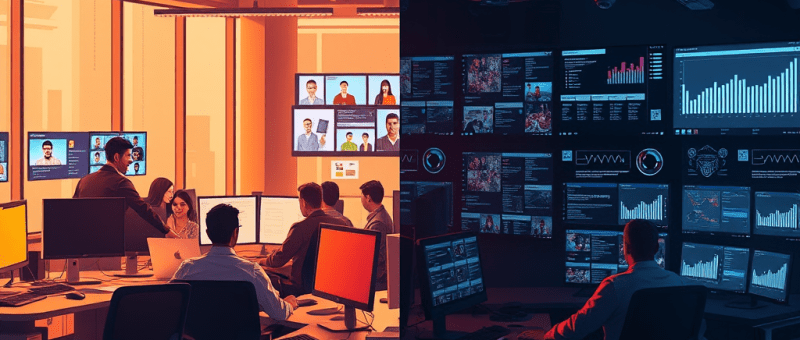
The rise of remote work adds another layer of complexity. In-person leadership often relies on visible presence, spontaneous interactions, and nonverbal cues to establish authority and rapport (Gaffney, 2025). Remote leadership, by contrast, demands heightened clarity, trust-building, and intentional communication to compensate for the absence of physical proximity (Younger, 2025). Women leaders navigating remote environments may find that tone and word choice carry even greater weight when visual context is limited, amplifying the risk of misinterpretation.

Authentic leadership principles apply in both settings, but remote leadership requires additional strategies:

  • Structured communication to prevent ambiguity.
  • Empathy-driven engagement to maintain connection.
  • Technology fluency to foster collaboration across distances.

Managing Your Boss While Building Authentic Leadership

One of the most overlooked leadership skills is the ability to manage upward—strategically influencing and aligning with your boss while staying true to your own leadership identity. For women developing an authentic leadership style, this concept is especially powerful because it shifts the narrative from passive compliance to proactive partnership.

Why Managing Up Matters
Managing your boss isn’t about manipulation; it’s about creating clarity, trust, and mutual success. When you understand your boss’s priorities, communication style, and decision-making process, you can anticipate needs and position your ideas effectively. This not only strengthens your credibility but also ensures your team’s work aligns with organizational goals.

Authenticity as a Strategic Advantage
Women often face pressure to conform to traditional leadership norms—assertive yet not “too assertive,” collaborative but not “too soft.” Managing up authentically means rejecting these rigid expectations and leading from your values. Instead of mimicking someone else’s style, leverage your strengths—whether that’s empathy, strategic thinking, or adaptability—to build influence without sacrificing integrity.

Practical Strategies for Managing Up Authentically

  • Clarify Expectations: Schedule regular check-ins to understand priorities and success metrics.
  • Communicate Your Vision: Share how your approach supports organizational goals while reflecting your leadership values.
  • Offer Solutions, Not Problems: Frame challenges with actionable recommendations to demonstrate initiative.
  • Build Trust Through Transparency: Be honest about constraints and progress; authenticity thrives on openness.

Managing your boss is not about diminishing your voice, it’s about amplifying it in a way that fosters collaboration and positions you as a trusted leader. When done well, it becomes a cornerstone of authentic leadership development.

Moving Forward

The disconnect between expectations and reality for women leaders will not disappear overnight. However, by reframing criticism as context rather than command, embracing authentic leadership, and adapting to the nuances of remote and in-person environments, women can lead with confidence and integrity.

Organizations also bear responsibility. Leadership development programs must dismantle systemic biases and create cultures that value diverse leadership styles. Authenticity should not be a liability—it should be the standard.


References

If you enjoy this content like and subscribe.  Also, if you are interested in consulting services please reach out through my social media.  Remember remote is here to stay.

YouTube: https://www.youtube.com/@Wickedbofthewest

Website: wickedbofthewestremoteconsulting.com

Facebook: https://www.facebook.com/WickedBoftheWestBusinessConsulting

Instagram: https://www.instagram.com/wickedbofthewestconsulting/

Blog: drstephaniebeardbaremoteresearch.org

LinkedIn: https://www.linkedin.com/in/stephanie-diana-eubank-dba/

TikTok: https://www.tiktok.com/@stephanie.eubank6

New Website: wickedbofthewestconsulting.com

Email: Drstephaniedeubank@wickedbofthewestconsulting.coma/

TikTok: @stephaniedianaeubank

New Website: wickedbofthewestconsulting.com

How Remote Work Enhances Professional Relationships

By: Dr. Stephanie Diana Eubank DBA

Remote Work and Relationship Building: Debunking Misconceptions

The debate over remote work’s impact on relationships, both personal and professional, has intensified in recent years. In a recent interview on Real Time with Bill Maher, Scott Galloway suggested that remote work hinders the ability to build meaningful connections (Maher, 2025). While Galloway’s perspective reflects traditional workplace norms, it overlooks critical shifts in how relationships-romantic and professional, are formed in the modern era.


Misconceptions About Remote Work and Relationships
Galloway’s argument assumes that physical proximity is essential for relationship development. Historically, many romantic relationships began in the workplace, but this trend has declined significantly. Research shows that online dating has become the most common way couples meet in the U.S., with nearly half of all relationships starting online (Wisniewska, 2025). This shift has been positive for workplace culture and the economy, reducing risks associated with office romances, such as conflicts of interest and harassment concerns.

The Rise of Online Dating
Online dating platforms dominate the romantic landscape, with apps like Tinder, Bumble, and Hinge leading the way. According to Pew Research Center, 30% of U.S. adults have used online dating platforms, and 12% have entered long-term relationships or marriages through them (Pew Research Center, 2023). Personally, I met my husband online in 2019, and we recently celebrated our fifth wedding anniversary, a testament to the success of digital matchmaking.

Remote Work and Business Relationship Building
Contrary to Galloway’s claims, remote work does not eliminate opportunities for professional networking; it transforms them. Companies now invest in virtual networking events, online collaboration platforms, and remote team-building activities to foster connections (World Reporter, 2025). These initiatives enhance morale and support career growth without requiring physical presence.

Moreover, remote work promotes work-life balance, enabling employees to cultivate friendships and hobbies outside of work. European countries exemplify this approach, prioritizing flexible schedules and personal well-being to reduce burnout and encourage social engagement (Remote, 2025).

Why Work Friends Shouldn’t Be Your Closest Friends
While collegiality is important, making workplace peers your primary social circle can create unhealthy dynamics. Competition for promotions and resources often strains these relationships. Encouraging employees to build strong networks outside of work supports mental health and reduces workplace drama.

Conclusion
Remote work does not erode relationships; it redefines them. Romantic partnerships increasingly begin online, and professional connections thrive through intentional virtual strategies. Galloway’s perspective reflects an outdated paradigm that fails to account for technological and cultural evolution. Embracing remote work and its networking potential is not only feasible—it is essential for modern business success.

References

Maher, B. (2025, November 14). Real Time with Bill Maher [Television series episode]. HBO.

Pew Research Center. (2023). Key findings about online dating in the U.S. Retrieved from https://www.pewresearch.org

Remote. (2025). European Life-Work Balance Index 2025. Retrieved from https://remote.com/resources/research/european-life-work-balance-index

Wisniewska, M. J. (2025). Percentage of relationships that start online: Latest statistics. Break the Cycle. Retrieved from https://www.breakthecycle.org

World Reporter. (2025, April 14). The impact of remote working on businesses. Retrieved from https://worldreporter.com

If you enjoy this content like and subscribe.  Also, if you are interested in consulting services please reach out through my social media.  Remember remote is here to stay.

YouTube: https://www.youtube.com/@Wickedbofthewest

Website: wickedbofthewestremoteconsulting.com

Facebook: https://www.facebook.com/WickedBoftheWestBusinessConsulting

Instagram: https://www.instagram.com/wickedbofthewestconsulting/

Blog: drstephaniebeardbaremoteresearch.org

LinkedIn: https://www.linkedin.com/in/stephanie-diana-eubank-dba/

TikTok: https://www.tiktok.com/@stephanie.eubank6

New Website: wickedbofthewestconsulting.com

Email: Drstephaniedeubank@wickedbofthewestconsulting.coma/

TikTok: @stephaniedianaeubank

New Website: wickedbofthewestconsulting.com

Rethinking Bossware: The Dangers of Microsoft Teams Surveillance

By: Dr. Stephanie Diana Eubank DBA

In the age of remote and hybrid work, collaboration platforms like Microsoft Teams have become essential tools for communication, project management, and productivity. But as organizations increasingly leverage these platforms to monitor employee activity, a troubling trend has emerged: the transformation of Teams into ‘bossware.’

Bossware refers to software used by employers to surveil workers—tracking keystrokes, mouse movements, time spent in meetings, and even presence indicators. While Microsoft Teams wasn’t initially designed for this purpose, its integration with Microsoft 365’s productivity analytics and its real-time status features have made it a convenient tool for digital oversight. And that’s where the problem begins.

The Slippery Slope of Surveillance

When Teams is used to monitor employee behavior—such as how often someone is ‘available,’ how long they’re in meetings, or how quickly they respond to messages—it shifts from being a collaboration tool to a control mechanism. This undermines trust, erodes psychological safety, and can lead to a toxic work environment. Surveillance doesn’t measure productivity—it measures presence. And presence isn’t always a proxy for performance.

Why This Approach Fails

1. It penalizes neurodivergent workers. For employees with ADHD, autism, or other neurodivergent traits, productivity often looks different. They may work in bursts, need breaks to regulate focus, or prefer asynchronous communication. Bossware-style monitoring punishes these natural rhythms and reinforces ableist norms (Vargas-Salas et al., 2025; Marschall, 2025).

2. It discourages deep work. Constant status checks and pressure to appear ‘active’ can lead to performative busyness. Employees may feel compelled to stay online or in meetings just to be seen, rather than doing meaningful, focused work.

3. It erodes trust. Surveillance signals that leadership doesn’t trust its team. This can lead to disengagement, burnout, and high turnover—especially among remote workers who already face challenges in visibility and inclusion (Millington, 2025).

4. It’s a poor substitute for good management. If managers rely on Teams to tell them who’s working, they’re missing the bigger picture. Effective leadership involves setting clear goals, offering support, and evaluating outcomes—not micromanaging activity.

What Should Teams Be Used For?

Microsoft Teams shines when it’s used for:

– Facilitating communication across time zones and work styles.

– Supporting collaboration through shared documents, channels, and meetings.

– Creating inclusive workflows that accommodate different needs and preferences.

– Empowering autonomy by enabling asynchronous updates and flexible scheduling.

A Better Way Forward

Instead of using Teams as bossware, organizations should:

– Focus on outcomes, not activity.

– Design inclusive policies that respect neurodiversity and remote work realities.

– Train managers to lead with empathy and clarity, not control.

– Use analytics ethically, with transparency and consent.

Remote work isn’t about replicating the office online—it’s about reimagining work for flexibility, equity, and sustainability. Turning collaboration tools into surveillance systems is a step backward.

References

Millington, Q. (2025). Bossware: How workplace surveillance harms wellbeing and productivity. HRZone. https://hrzone.com/bossware-how-workplace-surveillance-harms-wellbeing-and-productivity/

Marschall, A. (2025, June 18). Neurodivergence in the workplace. Psychology Today. https://www.psychologytoday.com/us/blog/neurodiversity-affirming-therapy/202506/neurodivergence-in-the-workplace

Vargas-Salas, O., Alcazar-Gonzales, C., Fernández-Fernández, F. A., Molina-Rodríguez, F. N., Paredes-Velazco, R., & Carcausto-Zea, M. L. (2025). Neurodivergence and the workplace: A systematic review of the literature. Journal of Vocational Rehabilitation, 63(1), 83–94. https://doi.org/10.1177/10522263251337564

Mukherjee, A. (2025, November 4). Does Microsoft Teams’ location tracking overcomplicate employee surveillance? The HR Digest. https://www.thehrdigest.com/does-microsoft-teams-location-tracking-overcomplicate-employee-surveillance/

If you enjoy this content like and subscribe.  Also, if you are interested in consulting services please reach out through my social media.  Remember remote is here to stay.

YouTube: https://www.youtube.com/@Wickedbofthewest

Website: wickedbofthewestremoteconsulting.com

Facebook: https://www.facebook.com/WickedBoftheWestBusinessConsulting

Instagram: https://www.instagram.com/wickedbofthewestconsulting/

Blog: drstephaniebeardbaremoteresearch.org

LinkedIn: https://www.linkedin.com/in/stephanie-diana-eubank-dba/

TikTok: https://www.tiktok.com/@stephanie.eubank6

New Website: wickedbofthewestconsulting.com

Email: Drstephaniedeubank@wickedbofthewestconsulting.coma/

Remote Work Is Empowering Disabled Workers—and That’s Good for Everyone

By: Dr. Stephanie Diana Eubanl

The COVID-19 pandemic reshaped the way we work, accelerating the adoption of remote and hybrid work models across industries. While this shift was born out of necessity, it has opened doors for a segment of the workforce that has long faced barriers to employment: disabled workers.

Since remote work became more normalized during the pandemic, the number of disabled individuals participating in the workforce has increased significantly. According to the U.S. Bureau of Labor Statistics, the employment rate for people with disabilities rose notably in 2022 and 2023, in part due to the flexibility and accessibility that remote work provides.

Remote work eliminates many of the physical and logistical challenges that disabled workers face in traditional office settings—such as commuting, navigating inaccessible buildings, or managing unpredictable schedules. It also allows individuals to work in environments tailored to their needs, using assistive technologies and adaptive tools that support productivity and comfort.

Remote work doesn’t just benefit disabled workers—it benefits organizations. A diverse workplace is a stronger workplace. When companies embrace inclusive hiring practices and support remote modalities, they gain access to a broader talent pool, richer perspectives, and increased innovation.

Moreover, remote work encourages companies to invest in digital infrastructure, clear communication protocols, and inclusive training—all of which enhance quality assurance and employee engagement across the board.

Practical Ways Businesses Can Support Disabled Workers Remotely

  • Flexible Scheduling – Allow employees to work during hours that align with their energy levels and medical needs.
  • Accessible Technology – Ensure that software platforms are compatible with screen readers, voice recognition tools, and other assistive technologies.
  • Inclusive Communication – Use multiple modalities (video, text, audio) to accommodate different communication preferences.
  • Remote Onboarding and Training – Provide accessible materials and virtual mentorship to help new hires integrate smoothly.
  • Feedback Loops – Create channels for disabled employees to share their experiences and suggest improvements.

As we move forward, it’s essential that businesses continue to embrace remote work not just as a convenience, but as a strategic tool for inclusion. By supporting disabled workers through thoughtful remote work policies, companies can foster a culture of equity, resilience, and innovation.

Remote work isn’t just a trend—it’s a transformation. And for disabled workers, it’s a long-overdue opportunity to thrive.

Work Cited

Bloom, N., Dahl, G. B., & Rooth, D.-O. (2024). Work from home and disability employment (Working Paper No. 32943). National Bureau of Economic Research. https://www.nber.org/papers/w32943

Economic Innovation Group. (2022, October 25). Remote work is enabling higher employment among disabled workers. https://eig.org/remote-work-is-enabling-higher-employment-among-disabled-workers/

Gonzalez, A. (2024, July 18). How remote work supports disability inclusion. Forbes. https://www.forbes.com/sites/aliciagonzalez/2024/07/18/how-remote-work-supports-disability-inclusion/

Kanter, A. S. (2022, November 1). Remote work and the future of disability accommodations. Cornell Law Review. https://publications.lawschool.cornell.edu/lawreview/2022/11/01/remote-work-and-the-future-of-disability-accommodations/

Marks, C., & Rubinton, H. (2024, February 27). The labor effects of work from home on workers with a disability. Federal Reserve Bank of St. Louis. https://www.stlouisfed.org/on-the-economy/2024/feb/labor-effects-work-from-home-workers-disability

Ozimek, A. (2022, October 27). Remote work boosts employees with disabilities, research shows. Forbes. https://www.forbes.com/sites/gusalexiou/2022/10/27/new-research-confirms-boon-of-remote-working-for-disabled-employees-in-the-us/

U.S. Bureau of Labor Statistics. (2025, March). Telework trends. Beyond the Numbers, 14(2). https://www.bls.gov/opub/btn/volume-14/telework-trends.htm

If you enjoy this content like and subscribe.  Also, if you are interested in consulting services please reach out through my social media.  Remember remote is here to stay.

YouTube: https://www.youtube.com/@Wickedbofthewest

Website: wickedbofthewestremoteconsulting.com

Facebook: https://www.facebook.com/WickedBoftheWestBusinessConsulting

Instagram: https://www.instagram.com/wickedbofthewestconsulting/

Blog: drstephaniebeardbaremoteresearch.org

LinkedIn: https://www.linkedin.com/in/stephanie-diana-eubank-dba/

TikTok: https://www.tiktok.com/@stephanie.eubank6

New Website: wickedbofthewestconsulting.com

Email: Drstephaniedeubank@wickedbofthewestconsulting.coma/

TikTok: @stephaniedianaeubank

New Website: wickedbofthewestconsulting.com

The Paradox of Top Performers in Business

By: Dr. Stephanie Diana Eubank

In the business world, top performers are often seen as the backbone of organizational success. They consistently exceed expectations, drive innovation, and serve as role models for their peers. Yet, paradoxically, many of these high achievers find themselves overlooked when it comes to promotions. This blog post explores why stellar performance reviews don’t always translate into career advancement, and what top performers can do to navigate this challenge.

What Is a Top Performer?

A top performer in business is an individual who consistently delivers exceptional results, demonstrates initiative, and often goes above and beyond their job responsibilities. They are reliable, innovative, and frequently take on leadership roles informally. Despite their contributions, they may not be promoted due to organizational dynamics and cost considerations.

What Is Quiet Quitting?

Quiet quitting refers to the practice of employees doing only what is required in their job descriptions, without taking on extra responsibilities or going beyond expectations. It is often a response to burnout, lack of recognition, or feeling undervalued. For top performers, quiet quitting can be a strategic way to recalibrate their efforts and reassess their career trajectory.

Why Top Performers Aren’t Promoted

According to Wells (2025), promoting top performers can be a costly mistake for organizations. When high-performing individual contributors are promoted into management roles without proper training, team performance can decline. This phenomenon is known as the Peter Principle, where individuals are promoted to their level of incompetence. Additionally, replacing a top performer often requires hiring multiple people to cover their workload, making it financially burdensome for companies (Wells, 2025).

Derler et al. (2024) highlight that top performers are more likely to resign when they see new hires receiving higher pay, underscoring the importance of equitable compensation and recognition. Gotian (2024) emphasizes that neglecting high performers can lead to disengagement and attrition, as these individuals require support and growth opportunities just as much as others.

Strategies for Top Performers

Here are several strategies top performers can consider to address promotion stagnation:

  • 1. Communicate Career Goals: Proactively discuss your aspirations with leadership and seek feedback.
  • 2. Seek Lateral Moves: Explore opportunities to expand your skill set through lateral transitions.
  • 3. Build a Personal Brand: Showcase your achievements and thought leadership internally and externally.
  • 4. Find a Sponsor: Identify mentors or sponsors who can advocate for your advancement.
  • 5. Quiet Quit Strategically: Reassess your workload and focus on core responsibilities to avoid burnout.
  • 6. Pursue External Opportunities: If growth is not possible internally, consider roles at other organizations.
  • 7. Invest in Development: Continue learning and acquiring new skills to stay competitive.

Conclusion

Being a top performer is a valuable asset, but it doesn’t guarantee promotion. Understanding the organizational dynamics and taking proactive steps can help high achievers navigate their careers more effectively. Whether through strategic quiet quitting or seeking new opportunities, top performers must advocate for their growth and ensure their contributions are recognized.

References

Derler, A., Bamberger, P., Winlaw, M., & Chow, C. (2024, March 5). When new hires get paid more, top performers resign first. Harvard Business Review. https://hbr.org/2024/03/when-new-hires-get-paid-more-top-performers-resign-first

Gotian, R. (2024, October 8). Stop ignoring your high performers. Harvard Business Review. https://hbr.org/2024/10/stop-ignoring-your-high-performers

Wells, R. (2025, September 21). Promoting your top performer is your biggest mistake. Forbes. https://www.forbes.com/sites/rachelwells/2025/09/21/promoting-your-top-performer-is-your-biggest-mistake-heres-why/

If you enjoy this content like and subscribe.  Also, if you are interested in consulting services please reach out through my social media.  Remember remote is here to stay.

YouTube: https://www.youtube.com/@Wickedbofthewest

Website: wickedbofthewestremoteconsulting.com

Facebook: https://www.facebook.com/WickedBoftheWestBusinessConsulting

Instagram: https://www.instagram.com/wickedbofthewestconsulting/

Blog: drstephaniebeardbaremoteresearch.org

LinkedIn: https://www.linkedin.com/in/stephanie-diana-eubank-dba/

TikTok: https://www.tiktok.com/@stephanie.eubank6

New Website: wickedbofthewestconsulting.com

Email: Drstephaniedeubank@wickedbofthewestconsulting.coma/

TikTok: @stephaniedianaeubank

New Website: wickedbofthewestconsulting.com

AI in the Workplace: Powerful Ally or Risky Business?

By: Dr Stephanie Diana Eubank DBA

Artificial Intelligence (AI) tools like Microsoft Copilot and ChatGPT are transforming the modern workplace. From automating repetitive tasks to enhancing decision-making, AI is no longer a futuristic concept—it’s a present-day productivity powerhouse. But with great power comes great responsibility. While AI offers immense benefits, it also introduces risks that businesses must proactively manage.
Let’s explore the benefits, risks, and protective strategies for using AI in your business.

Benefits of AI in the Workplace

  • Increased Efficiency and Productivity: AI can automate routine tasks like data entry, scheduling, and email drafting, freeing up human talent for higher-level work. Tools like Copilot integrate with Microsoft 365 to streamline workflows across Word, Excel, and Teams.
  • Enhanced Decision-Making: AI can analyze large datasets quickly, uncovering trends and insights that inform strategic decisions. Predictive analytics help businesses anticipate customer behavior, market shifts, and operational bottlenecks.
  • Improved Accessibility and Inclusion: AI-powered assistive technologies support neurodiverse and disabled employees with tools like real-time transcription, voice commands, and personalized learning aids.
  • 24/7 Support and Responsiveness: Chatbots and virtual assistants provide round-the-clock customer service, improving user experience and reducing wait times.
  • Scalable Solutions: AI systems can grow with your business, adapting to increased workloads without requiring proportional increases in staffing.

Risks of Using AI in Business

  • Data Privacy and Security: AI systems often require access to sensitive data, which can be vulnerable to breaches or misuse if not properly secured.
  • Bias and Discrimination: AI models can unintentionally perpetuate bias if trained on skewed or incomplete datasets, leading to unfair outcomes in hiring, lending, or customer service.
  • Over-Reliance and Skill Degradation: Excessive dependence on AI may erode critical thinking and problem-solving skills among employees.
  • Compliance and Legal Liability: Misuse of AI can lead to violations of data protection laws (like GDPR or CCPA), resulting in fines or reputational damage.
  • Intellectual Property Risks: AI-generated content may raise questions about ownership, copyright, and originality, especially in creative industries.
  • Misinformation and Hallucinations: AI tools can sometimes generate inaccurate or misleading information, which can be costly if used in decision-making without verification.

Now that we’ve explored both the advantages and potential pitfalls of integrating AI into business operations, the next critical question is: how do we protect ourselves and our companies from these risks? AI is a powerful tool, but like any tool, its impact depends on how it’s used. Responsible adoption requires thoughtful planning, ethical oversight, and proactive safeguards. Let’s dive into the practical steps businesses can take to harness AI’s potential while minimizing exposure to legal, ethical, and operational risks.

How to Protect Your Company While Using AI

  • Establish Clear AI Usage Policies: Define what AI tools can be used for, who can access them, and how outputs should be verified before implementation.
  • Train Employees on Responsible AI Use: Educate staff on AI limitations, ethical considerations, and how to critically evaluate AI-generated content.
  • Implement Data Governance Protocols: Use encryption, access controls, and anonymization to protect sensitive data used by AI systems.
  • Audit AI Systems Regularly: Monitor for bias, accuracy, and compliance with legal standards. Use third-party audits when necessary.
  • Use Human-in-the-Loop Systems: Ensure that critical decisions are reviewed and approved by humans, not made solely by AI.
  • Stay Updated on Regulations: Keep abreast of evolving laws and standards around AI use, especially in your industry and jurisdiction.
  • Choose Trusted AI Vendors: Work with reputable providers who prioritize transparency, security, and ethical AI development.

Final Thoughts

AI is not a replacement for human intelligence—it’s a tool to amplify it. When used thoughtfully, AI can empower teams, enhance accessibility, and drive innovation. But businesses must remain vigilant, balancing the benefits with proactive risk management.
Whether you’re a startup founder, a remote team leader, or a neurodiverse entrepreneur, embracing AI with intention and integrity can be a game-changer.

If you enjoy this content like and subscribe.  Also, if you are interested in consulting services please reach out through my social media.  Remember remote is here to stay.

YouTube: https://www.youtube.com/@Wickedbofthewest

Website: wickedbofthewestremoteconsulting.com

Facebook: https://www.facebook.com/WickedBoftheWestBusinessConsulting

Instagram: https://www.instagram.com/wickedbofthewestconsulting/

Blog: drstephaniebeardbaremoteresearch.org

LinkedIn: https://www.linkedin.com/in/stephanie-diana-eubank-dba/

TikTok: https://www.tiktok.com/@stephanie.eubank6

New Website: wickedbofthewestconsulting.com

Email: Drstephaniedeubank@wickedbofthewestconsulting.coma/

TikTok: @stephaniedianaeubank

New Website: wickedbofthewestconsulting.com
Millennial Managers and the Workplace Crisis: A Response to Yahoo News

By: Dr. Stephanie Diana Eubank DBA

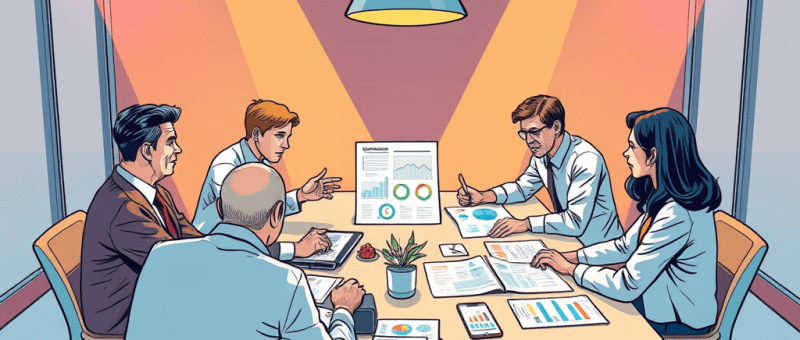
The Yahoo News article “Meet the Millennial Managers Stuck Between Boomer Bosses and Gen Z Workers” (Lichtenberg, 2025) accurately captures the unique pressures faced by millennial managers. However, the discussion must go deeper. The stress these managers face is symptomatic of broader systemic issues—economic instability, workplace PTSD, burnout, and the mismanagement of remote work—that are harming the workforce and threatening organizational safety.

Burnout is more than fatigue—it is a safety risk. According to the American Psychological Association (2023), burnout results from chronic workplace stress and leads to emotional exhaustion, detachment, and reduced efficacy. It is associated with increased risks of depression, insomnia, heart disease, and cognitive impairments that can compromise workplace safety.

Remote work, while offering flexibility, can also isolate employees and blur boundaries between work and life. This often happens when leadership does not understand that remote work modality is not a translation of in person work but an entirely different form of work. Without proper structure and support, remote environments can intensify disconnection and anxiety. My research at DrStephanieBeardBareRemoteResearch.org highlights how remote mismanagement contributes to burnout and workplace disengagement.

Economic stress further compounds these issues. Pinheiro, Ivandic, & Razzouk (2017) found that mental disorders such as depression and anxiety are leading causes of productivity loss in the workplace. Job stress, poor organizational dynamics, and lack of career development opportunities are major contributors to poor mental health and low productivity.

Unresolved trauma and chronic stress can escalate into workplace violence. The CDC (Schulte et al., 2024) reports that workers exposed to high job strain and psychosocial hazards are at increased risk for PTSD, depression, and violent incidents.

To address these challenges, organizations must invest in trauma-informed leadership, mental health resources, and inclusive remote work policies. Practical steps include:
– Conducting regular burnout assessments
– Offering flexible work arrangements
– Providing access to mental health professionals
– Training managers in empathy and psychological safety
– Creating mentorship programs and career development pathways

Millennial managers are not just stuck—they are signaling a deeper organizational crisis. By listening to their experiences and implementing strategic reforms, we can build healthier, safer, and more productive workplaces.

References

American Psychological Association. (2023, May 12). Employers need to focus on workplace burnout: Here’s why. https://www.apa.org/topics/healthy-workplaces/workplace-burnout

Pinheiro, M., Ivandic, I., & Razzouk, D. (2017). The economic impact of mental disorders and mental health problems in the workplace. In D. Razzouk (Ed.), Mental health economics: The costs and benefits of psychiatric care (pp. 415–430). Springer. https://doi.org/10.1007/978-3-319-55266-8_28

Schulte, P., et al. (2024). An urgent call to address work-related psychosocial hazards and improve worker well-being. CDC. https://blogs.cdc.gov/niosh-science-blog/2024/04/10/workplace-psychosocial-hazards/

Lichtenberg, N. (2025, September 20). Meet the millennial managers stuck between a rock and a hard place. Yahoo News. https://uk.news.yahoo.com/meet-millennial-managers-stuck-between-123000199.html

If you enjoy this content like and subscribe.  Also, if you are interested in consulting services please reach out through my social media.  Remember remote is here to stay.

YouTube: https://www.youtube.com/@Wickedbofthewest

Website: wickedbofthewestremoteconsulting.com

Facebook: https://www.facebook.com/WickedBoftheWestBusinessConsulting

Instagram: https://www.instagram.com/wickedbofthewestconsulting/

Blog: drstephaniebeardbaremoteresearch.org

LinkedIn: https://www.linkedin.com/in/stephanie-diana-eubank-dba/

TikTok: https://www.tiktok.com/@stephanie.eubank6

New Website: wickedbofthewestconsulting.com

Email: Drstephaniedeubank@wickedbofthewestconsulting.coma/

TikTok: @stephaniedianaeubank

New Website: wickedbofthewestconsulting.com

AI in College Education: A Catalyst for Real-World Skills

By: Dr. Stephanie Diana Eubank DBA

Artificial Intelligence (AI) continues to spark debate in higher education, especially as tools like ChatGPT and Microsoft Copilot become more integrated into academic workflows. In a recent CNN segment, Fareed Zakaria (Linked Here https://www.cnn.com/2025/09/07/politics/video/gps-0907-ai-threat-in-schools)  explored the growing concern among educators that AI might undermine traditional learning, particularly essay writing and critical thinking. However, this concern overlooks the transformative potential AI offers when paired with thoughtful curriculum design and modern communication platforms.

As a seasoned university-level business lecturer, I’ve seen firsthand how integrating technology into the classroom enhances student engagement and learning outcomes. At institutions like CSU Stanislaus and CSU East Bay, I’ve developed and delivered online courses in operations management, supply chain strategy, Lean Operations Management, and organizational leadership using platforms like Microsoft Teams and Zoom. These tools not only support flexible learning but also allow students to practice real-world communication skills through recorded presentations and verbal defenses. My experience in curriculum design, DEI advocacy, and remote leadership training reflects the evolving demands of both academia and industry. Learn more about my work and background on LinkedIn https://www.linkedin.com/in/stephanie-diana-eubank-dba.

Verbal Defenses: A Bridge Between AI and Critical Thinking

One of the key points raised in the CNN discussion was the idea of requiring students to verbally defend their written work. This approach not only mitigates the risk of AI-generated essays but also strengthens students’ ability to articulate and justify their ideas. Integrating this into college curricula is remarkably feasible using tools already widely available—Zoom and Microsoft Teams.

These platforms allow students to record verbal defenses of their essays, presentations, or projects. Faculty can assess not just the content but the clarity, confidence, and coherence of the student’s argument. This method reinforces public speaking, a skill often underdeveloped in traditional academic settings but essential in the professional world.

Public Speaking and Tech Fluency: Real-World Readiness

In today’s workforce, communication is key. Whether in remote meetings, client presentations, or team collaborations, professionals are expected to speak clearly, think critically, and use digital tools effectively. Platforms like Microsoft Teams and Zoom are not just classroom utilities—they are industry standards.

By incorporating AI tools like Microsoft Copilot into assignments, students learn how to leverage automation for productivity while maintaining accountability through verbal presentations. This dual approach—using AI for drafting and human skills for defending—mirrors real-world workflows where AI assists but doesn’t replace human judgment.

AI as a Teaching Assistant, Not a Threat

Rather than viewing AI as a threat, educators should embrace it as a teaching assistant. It can help students brainstorm, organize ideas, and even simulate feedback. When paired with structured verbal assessments and collaborative tools, AI becomes a catalyst for deeper learning and skill development.

Conclusion

The future of education isn’t about resisting AI—it’s about integrating it responsibly. By using platforms like Zoom and Microsoft Teams to facilitate verbal defenses and public speaking, colleges can ensure students not only learn but also communicate, collaborate, and compete in a tech-driven world. AI, when used wisely, is not a shortcut—it’s a stepping stone to a more dynamic and inclusive educational experience.

If you enjoy this content like and subscribe.  Also, if you are interested in consulting services please reach out through my social media.  Remember remote is here to stay.

YouTube: https://www.youtube.com/@Wickedbofthewest

Website: wickedbofthewestremoteconsulting.com

Facebook: https://www.facebook.com/WickedBoftheWestBusinessConsulting

Instagram: https://www.instagram.com/wickedbofthewestconsulting/

Blog: drstephaniebeardbaremoteresearch.org

LinkedIn: https://www.linkedin.com/in/stephanie-diana-eubank-dba/

TikTok: https://www.tiktok.com/@stephanie.eubank6

New Website: wickedbofthewestconsulting.com

Email: Drstephaniedeubank@wickedbofthewestconsulting.coma/

TikTok: @stephaniedianaeubank

New Website: wickedbofthewestconsulting.com

Thriving with ADHD in Remote Work: Time, Morale & Authentic Living

By Dr. Stephanie Diana Eubank


Remote work can be a game-changer for those of us with ADHD. It offers flexibility, comfort, and—perhaps most importantly—a break from the emotional labor of masking. If you’ve ever felt drained just trying to ‘act normal’ in a traditional office, you’re not alone. Working from home allows us to show up as our authentic selves, and that’s a beautiful thing.

What is Emotional Masking?

Emotional masking is the effort neurodivergent individuals often make to hide or suppress their natural behaviors, emotions, or reactions to fit into neurotypical expectations. For people with ADHD, this might mean pretending to be calm when they’re excited, forcing eye contact, or suppressing the need to fidget. It’s exhausting—and remote work helps reduce this burden.

Time Management That Feels Good

1. Start with a Morning Ritual

Ease into your day with something that brings joy—coffee, stretching, journaling, or even dancing. This sets a positive tone and helps your brain transition into work mode.

2. Time Block with Flexibility

Structure your day with blocks of focused work and breaks. Try 45 minutes of work followed by 15 minutes of rest. Use tools like Google Calendar or Microsoft Outlook to schedule these blocks.

3. Pomodoro with Personality

Use the Pomodoro technique (25 minutes work, 5 minutes break) but make it yours. Add music, use a fun timer, or reward yourself with a treat after each cycle.

4. Breaks That Reset Your Brain

Take intentional breaks to reset mentally. Step outside, stretch, play with a pet, or use a fidget toy. These moments help regulate energy and improve focus.

Boosting Morale While Working Remote

5. Body Doubling with Microsoft Teams

Invite a friend or coworker to a Teams call and work together silently. Just having someone there can increase focus and reduce procrastination.

6. Fidget Toys Are Your Friends

Keep a fidget toy nearby—putty, cubes, rings, or even a textured pen. They help channel energy and keep your hands busy while your brain focuses.

7. Celebrate Every Win

Finished a task? Celebrate it! ADHD brains thrive on dopamine, so give yourself credit—even for the small stuff.

8. Create a Joyful Workspace

Make your space feel good. Add colors, lights, plants, or anything that makes you smile. Your environment matters.

Living Authentically with ADHD

Remote work isn’t just about convenience—it’s about liberation. It allows us to work in ways that honor our brains, our energy, and our emotions. With the right tools and mindset, ADHD can be a superpower in the remote world. So here’s to working joyfully, managing time with kindness, and showing up as your true self.

If you like this content like and subscribe and as always remember remote work it is here to stay.

If you enjoy this content like and subscribe.  Also, if you are interested in consulting services please reach out through my social media.  Remember remote is here to stay.

YouTube: https://www.youtube.com/@Wickedbofthewest

Website: wickedbofthewestremoteconsulting.com

Facebook: https://www.facebook.com/WickedBoftheWestBusinessConsulting

Instagram: https://www.instagram.com/wickedbofthewestconsulting/

Blog: drstephaniebeardbaremoteresearch.org

LinkedIn: https://www.linkedin.com/in/stephanie-diana-eubank-dba/

TikTok: @stephaniedianaeubank

New Website: wickedbofthewestconsulting.com