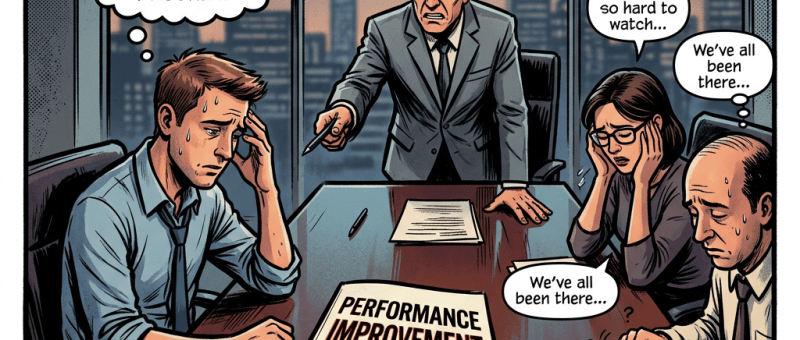
Combatting Organizational Isolation in Remote Work

By: Dr. Stephanie Diana Eubank DBA

Structural or organizational isolation occurs when the systems, workflows, and processes of an organization are built primarily for in‑person teams. Remote workers often face barriers such as unclear procedures, siloed communication channels, limited access to decision makers, and tech or cultural norms that privilege on‑site presence. Research shows that these structural gaps can reduce collaboration, hinder information flow, and negatively affect well‑being and performance. For example, Figueiredo et al. (2025) note that remote workers experience increased detachment when organizational structures fail to account for distributed teams, leading to reduced productivity and higher emotional strain. Similarly, Lyzwinski (2024) found that isolation in remote environments significantly affects job satisfaction and well‑being, with social support and clear communication acting as key mitigating factors.

Organizational isolation is not just a lack of social interaction; it is the result of systems that unintentionally limit access to information. Research on informational isolation highlights the impact of siloed communication environments, which make it harder for remote workers to access timely information and connect cross‑functionally. Harvard Business Review (2024) also emphasizes that a lack of community and cross‑team visibility contributes to decreased engagement and performance in virtual settings.

Fortunately, both leaders and employees can take proactive steps to curb the effects of organizational isolation.

How Workers Can Reduce Organizational Isolation

• Proactively document and clarify workflows when procedures feel vague.

• Use shared collaborative tools (e.g., project trackers, knowledge bases) to maintain visibility across teams.

• Schedule regular check‑ins with cross‑functional partners to replace in‑person hallway conversations.

• Request access to meeting recordings, decision logs, or documentation to stay aligned with organizational changes.

• Join employee‑led communities or affinity groups to build informal communication channels.

How Leaders Can Reduce Organizational Isolation

• Design workflows that default to transparency—open channels, shared documentation, and cross‑team visibility.

• Ensure decision‑making processes are accessible, documented, and communicated consistently.

• Train managers in remote leadership communication practices, which research identifies as essential for reducing isolation.

• Develop intentional relationship‑building rituals such as monthly team‑wide forums, recognition rituals, or cross‑team collaboration cycles.

• Redesign systems so remote workers have equal access to opportunities, information, and leadership visibility.

References (APA 7)

Figueiredo, E., Margaça, C., & Sánchez-García, J. C. (2025). Loneliness and isolation in the era of telework: A comprehensive review of challenges for organizational success. Healthcare, 13(16), 1943. https://doi.org/10.3390/healthcare13161943

Lyzwinski, L. N. (2024). Organizational and occupational health issues with working remotely during the pandemic: A scoping review. Journal of Occupational Health, 66(1). https://doi.org/10.1093/joccuh/uiae005

Eubank, S. (2026). Combatting informational isolation in remote work. https://drstephaniebeardbaremoteresearch.org

Montañez, R. (2024). Fighting loneliness on remote teams. Harvard Business Review. https://hbr.org

Tsipursky, G. (2024). Mastering remote and hybrid team communication. Psychology Today. https://psychologytoday.com

If you enjoy this content like and subscribe.  Additionally, if you are interested in consulting services, please feel free to reach out to me through my social media channels.  Remember remote is here to stay.

YouTube: https://www.youtube.com/@Wickedbofthewest

Website: wickedbofthewestremoteconsulting.com

Facebook: https://www.facebook.com/WickedBoftheWestBusinessConsulting

Instagram: https://www.instagram.com/wickedbofthewestconsulting/

Blog: drstephaniebeardbaremoteresearch.org

LinkedIn: https://www.linkedin.com/in/stephanie-diana-eubank-dba/

TikTok: https://www.tiktok.com/@stephanie.eubank6

New Website: wickedbofthewestconsulting.com

Email: Drstephaniedeubank@wickedbofthewestconsulting.coma/

TikTok: @stephaniedianaeubank

New Website: wickedbofthewestconsulting.comtconsulting.com

The Impact of Professional Isolation on Job Performance

By Dr. Stephanie Eubank, DBA

Professional isolation is an emerging concern as remote and hybrid work arrangements become deeply embedded in modern organizational life. Defined as the feeling of being “out of sight, out of mind,” professional isolation occurs when remote employees believe they have reduced visibility, fewer developmental opportunities, and limited access to mentoring or advancement. Research shows that decreased interaction and reduced spontaneous communication can negatively affect job performance, career mobility, and psychological well‑being.

The Nature and Impact of Professional Isolation

Professional isolation is rooted in the absence of consistent, meaningful professional interaction. As remote workers lose access to informal hallway conversations, impromptu collaborations, and face‑to‑face communication, they often begin to feel disconnected from organizational decision‑making and advancement pathways.

Research also demonstrates that professional isolation negatively affects job performance and can influence turnover intentions. Golden, Veiga, and Dino (2008) found that teleworkers who reported higher levels of professional isolation showed declines in job performance. Additionally, a 2025 scholarly review highlights that isolation in remote settings can lead to emotional strain, decreased productivity, and fragmented collaboration networks.

Why Remote Workers Are Vulnerable

Remote workers often miss out on spontaneous interactions that enable trust‑building, mentorship, and knowledge transfer. Neuroscience‑informed research suggests that in‑person interactions trigger deeper communication responses than digital communication channels, making remote workers more susceptible to disconnection.

Strategies for Remote Employees to Prevent Professional Isolation

1. Proactively schedule regular check‑ins with supervisors and mentors.

2. Strengthen your professional network through virtual communities and cross‑department communication.

3. Increase on‑camera presence to enhance communication richness.

4. Communicate accomplishments transparently to maintain visibility.

5. Request stretch assignments and mentorship.

6. Create predictable availability windows.

Strategies for Leaders to Address Professional Isolation

1. Foster a culture of frequent communication.

2. Increase visibility of remote employees’ work.

3. Encourage cross‑functional collaboration.

4. Utilize technology to enhance connection.

5. Implement hybrid touchpoints when possible.

6. Train leaders on inclusive remote management.

References

Abrams, Z. (2019). The future of remote work. American Psychological Association.

Figueiredo, E., Margaça, C., & Sánchez‑García, J. (2025). Loneliness and isolation in telework.

Golden, T. D., Veiga, J. F., & Dino, R. N. (2008). The impact of professional isolation on teleworker performance.

Knight, C., Olaru, D., Lee, J., & Parker, S. (2022). The loneliness of the hybrid worker.

Noh, E., & Lee, K. H. (2022). Professional isolation in COVID‑19 remote work.

Zepp Larson, B., Makarius, E. E., & Wilk, S. L. (2023). Remote work preferences and professional isolation.

If you enjoy this content like and subscribe.  Additionally, if you are interested in consulting services, please feel free to reach out to me through my social media channels.  Remember remote is here to stay.

YouTube: https://www.youtube.com/@Wickedbofthewest

Website: wickedbofthewestremoteconsulting.com

Facebook: https://www.facebook.com/WickedBoftheWestBusinessConsulting

Instagram: https://www.instagram.com/wickedbofthewestconsulting/

Blog: drstephaniebeardbaremoteresearch.org

LinkedIn: https://www.linkedin.com/in/stephanie-diana-eubank-dba/

TikTok: https://www.tiktok.com/@stephanie.eubank6

New Website: wickedbofthewestconsulting.com

Email: Drstephaniedeubank@wickedbofthewestconsulting.coma/

TikTok: @stephaniedianaeubank

New Website: wickedbofthewestconsulting.com

Combatting Informational Isolation in Remote Work

By: Dr. Stephanie Diana Eubank DBA

 Informational isolation occurs when remote or hybrid employees don’t receive the same amount, quality, or timeliness of information as on‑site colleagues, especially the informal context that circulates via hallway chats, impromptu huddles, and organizational “buzz.” Research shows remote work changes the *frequency, quality, and spontaneity* of interactions, which can fragment networks and impede knowledge sharing (Begemann et al., 2024; Knight et al., 2022).

Why it matters now.  Remote work is no longer a temporary patch; it is a durable part of the labor market. In early 2024, 35.5 million, people worked from home for pay, about 22.9%, of workers at work that week (Bureau of Labor Statistics, 2025). As distributed models persist, organizations that fail to deliberately replace lost informal channels risk mistakes, misalignment, slower decisions, and duplicated work (Zuzul et al., 2025; Begemann et al., 2024).

How Informational Isolation Hurts Leaders vs. Non‑Managers

For leaders (executives, directors, managers).  Foggy situational awareness.  Leaders miss ambient signals (tone shifts, emerging risks, cross‑team dependencies) that are often transmitted informally, making strategic decisions more brittle and later (Knight et al., 2022). Massive, cross‑firm analyses show pandemic‑era communication networks became more modular and siloed, with weaker cross‑group ties, undermining innovation and coordinated execution (Zuzul et al., 2025). Proximity bias risk.  When information flows unevenly, leaders may rely more on those physically nearby, skewing performance evaluations and opportunity allocation (Harvard Business Publishing, 2023).

For employees and non‑managers.

  • Missing context = rework. Without the “why” behind decisions, remote staff are more likely to duplicate work or diverge from current strategy (Begemann et al., 2024).
  • Siloed networks. Large‑scale evidence from Microsoft found remote work reduced real‑time interactions and increased siloing, making it harder to discover new information and coordinate complex tasks (Counts, 2021).
  • Lower belonging and career visibility. Weaker informal ties correlate with loneliness and lower engagement; informal in‑office encounters still boost satisfaction and connection even for hybrid workers (Montañez, 2024; Knight et al., 2022).

Playbooks to Protect Against Informational Isolation

What the workforce (individual contributors) can do. Design your information diet.

  • Create a weekly cadence to scan key channels: project channels, roadmap docs, decision logs, and leadership posts. “Watch” critical repositories and subscribe to change notifications (Begemann et al., 2024).2)
  • Manufacture serendipity. Schedule 15‑minute “context coffees” across adjacent teams each week. Research shows remote work reduces spontaneous crossties; intentional bridge‑building counters that drift (Counts, 2021; Zuzul et al., 2025).3)
  • Use structured updates. Send a Friday “3‑3‑1” note (3 wins, 3 risks, 1 ask). This compresses context for busy stakeholders and increases your visibility to decision makers (Montañez, 2024).4) Clarify the ‘why’. When assignments change, ask explicitly for the decision rationale and downstream dependencies; informal context is often where the real constraints live (Begemann et al., 2024).5)
  • Diversify channels. Don’t rely on one tool. Pair async artifacts (PRDs, wikis) with synchronous touchpoints (office hours) to reduce misinterpretation and delay (Counts, 2021).

What leadership can do (policies & rituals).

  • Publish a ‘decision log’ with time‑boxed context.  Require teams to post major decisions within 24–48 hours, including the “why”, options considered, owners, and impacted teams. This combats silos and speeds alignment (Zuzul et al., 2025).2)
  • Instrument informal communication. Adopt lightweight rituals, rotating cross‑team standups, “open office” AMAs, and monthly demo days, to recreate the “buzz” in digital form (Begemann et al., 2024).3)
  • Make information defaults open. Unless regulated, set documents and channels to organization‑wide read access with clear findability (taxonomy + tagging). Managers then curate highlights in a weekly “signal report” (Harvard Business Publishing, 2023).4)
  • Set SLAs for responsiveness and channel norms.
  •  Define which decisions happen where (e.g., proposals in wiki, approvals in project tool) and how long stakeholders have to respond to avoid stalling work (Begemann et al., 2024).5)
  • Audit communication networks quarterly.
  • Use metadata (not content) to identify bottlenecks and orphaned teams; intervene with cross‑functional rotations or paired planning (Zuzul et al., 2025).6)
  • Coach managers for context‑rich communication.
  • Train leaders to narrate decisions intent, trade‑offs, next steps and to close the loop publicly. HBR guidance stresses manager role‑modeling to combat isolation (Montañez, 2024).

A Note on Scale and Equity

Informational isolation is an equity issue as much as an efficiency issue. Telework remains concentrated in knowledge roles, and distributed teams can easily marginalize those outside HQ or majority time zones if information isn’t intentionally shared (Bureau of Labor Statistics, 2025). Treat context as a product: discoverable, searchable, versioned, and delivered where people already work.

References (APA 7)

Begemann, V., Handke, L., & Lehmann‑Willenbrock, N. (2024). Enabling and constraining factors of remote informal communication: A socio‑technical systems perspective. *Journal of Computer‑Mediated Communication, 29*(5). https://doi.org/10.1093/jcmc/zmae008 

Bureau of Labor Statistics. (2025, March). *Telework trends: Beyond the Numbers (Vol. 14, No. 2).* https://www.bls.gov/opub/btn/volume-14/telework-trends.htm

Counts, L. (2021, September 21). How remote work affects our communication and collaboration. *Greater Good Science Center*. https://greatergood.berkeley.edu/article/item/how_remote_work_affects_our_communication_and_collaboration

Harvard Business Publishing. (2023). *Bridging the distance: Four imperatives for leaders of hybrid teams* (Perspective). https://www.harvardbusiness.org/wp-content/uploads/2023/10/CL_Perspective_Bridging-the-Distance_Four-Imperatives-for-Leaders-of-Hybrid-Teams.pdf

Knight, C., Olaru, D., Lee, J. A., & Parker, S. K. (2022). The loneliness of the hybrid worker. *MIT Sloan Management Review*. https://sloanreview.mit.edu/article/the-loneliness-of-the-hybrid-worker/

Montañez, R. (2024, March 22). Fighting loneliness on remote teams. *Harvard Business Review*. https://hbr.org/2024/03/fighting-loneliness-on-remote-teams

Zuzul, T., Pahnke, E. C., Larson, J., White, C., Bourke, P., Caurvina, N., Shah, N. P., Amini, F., Park, Y., Vogelstein, J., Weston, J., & Priebe, C. E. (2025). Dynamic silos: Increased modularity and decreased stability in intra‑organizational communication networks during the COVID‑19 pandemic. *Management Science, 71*(4), 3428–3448. https://www.hbs.edu/faculty/Pages/item.aspx?num=64440

If you enjoy this content like and subscribe.  Additionally, if you are interested in consulting services, please feel free to reach out to me through my social media channels.  Remember remote is here to stay.

YouTube: https://www.youtube.com/@Wickedbofthewest

Website: wickedbofthewestremoteconsulting.com

Facebook: https://www.facebook.com/WickedBoftheWestBusinessConsulting

Instagram: https://www.instagram.com/wickedbofthewestconsulting/

Blog: drstephaniebeardbaremoteresearch.org

LinkedIn: https://www.linkedin.com/in/stephanie-diana-eubank-dba/

TikTok: https://www.tiktok.com/@stephanie.eubank6

New Website: wickedbofthewestconsulting.com

Email: Drstephaniedeubank@wickedbofthewestconsulting.coma/

TikTok: @stephaniedianaeubank

New Website: wickedbofthewestconsulting.com

Strategies to Combat Social Isolation in Remote Teams

By: Dr. Stephanie Diana Eubank DBA

The modern workplace is experiencing a profound shift in how isolation is understood and experienced. This article is the first in an eight‑part series exploring the eight types of isolation that impact workers today. Prior to 2020, business research largely recognized only three forms of workplace isolation, social isolation, referring to the loss of spontaneous interpersonal interaction common in co‑located environments; professional isolation, characterized by reduced visibility, fewer developmental opportunities, and limited access to mentorship for remote employees; and geographic isolation, stemming from physical distance from organizational hubs, which historically limited access to resources and information. While these three categories shaped into early telework research, the evolution of remote, hybrid, and digitally distributed work has revealed a more complex landscape, necessitating a deeper examination of the expanded forms of isolation affecting today’s workforce.

Social isolation has taken on a new meaning in the modern workplace. No longer limited to physical separation, isolation now includes digital distance, reduced informal dialogue, weakened social bonds, and limited camaraderie despite robust communication technologies. Research shows that this form of isolation significantly affects mental health, engagement, and an employee’s sense of belonging (Montañez, 2024). Remote and hybrid environments, while flexible, can unintentionally create emotional and social gaps that affect both individual well-being and organizational performance.

What Is Modern Social Isolation?
Modern social isolation includes both physical separation from colleagues and digital distance created by technology-mediated communication. The absence of spontaneous interactions, such as office small talk, casual check-ins, and unplanned collaboration, contributes to feelings of disconnection (Figueiredo et al., 2025). Digital communication, though convenient, often lacks the warmth and nuance of face-to-face interaction, making it harder to build trust and maintain social bonds.

The Impact of Digital Social Isolation
Remote workers report higher levels of loneliness and detachment compared to on-site employees (Dyer, 2024). The consequences include:


• Reduced engagement
• Lower productivity
• Increased burnout
• Higher turnover intent
• Emotional fatigue and stress

Psychology research further confirms that digital communication does not fully satisfy the human need for connection, leaving remote workers vulnerable to emotional and social loneliness (Reed, 2025).

How Leaders Can Address Modern Social Isolation
Leaders play a critical role in reducing digital distance. Evidence-based leadership strategies include:


1. Strengthen Team Communication – Leaders should increase meaningful communication and create intentional opportunities for connection (Montañez, 2024)


2. Recognize Employees Fully and Authentically – Meaningful appreciation helps team members feel seen and valued.


3. Support Professional Development – Offering growth opportunities strengthens belonging and engagement.


4. Build Community Rituals– Regular team rituals, digital social spaces, and collaborative activities reduce perceived distance (Randall, 2022).


5. Empower Through Trust and Autonomy – Leadership competencies that reduce operational and social distance—such as digital communication and empowerment—improve performance and connection (Bravo-Duarte et al., 2025)

How Employees Can Protect Themselves from Isolation
Employees also play a vital role in safeguarding their own social well-being. Strategies include:


1. Initiate Social Interaction – Proactively scheduling virtual coffees or chats strengthens interpersonal bonds.


2. Set Healthy Boundaries– Overworking increases isolation and burnout (Dyer, 2024)


3. Engage in Company Activities– Participating in team events or communities fosters belonging.


4. Maintain Non‑Work Connections– Social support outside work buffers emotional strain.


5. Communicate Needs Clearly– Speaking up about workload, communication preferences, and mental health helps reduce misunderstandings and emotional detachment.

Conclusion
Social isolation is more complex today than ever before. As digital and physical worlds blend, employees face unique challenges that require thoughtful leadership, proactive personal strategies, and ongoing organizational support. This article serves as the foundation for a broader exploration of the eight types of isolation affecting workers in the modern world. Future articles in this series will dive deeper into each type and offer research‑backed strategies for addressing them.

References
Bravo-Duarte, F., Tordera, N., & Rodríguez, I. (2025). Overcoming virtual distance: A systematic review of leadership competencies for managing performance in telework. Frontiers in Organizational Psychology. https://www.frontiersin.org/journals/organizational-psychology/articles/10.3389/forgp.2024.1499248/full

Dyer, C. (2024, October 28). How loneliness and remote work are shaping the employee experience. Forbes. https://www.forbes.com/councils/forbesbusinesscouncil/2024/10/28/how-loneliness-and-remote-work-are-shaping-the-employee-experience/

Figueiredo, E., Margaça, C., & Sánchez-García, J. C. (2025). Loneliness and isolation in the era of telework: A comprehensive review. Healthcare, 13(16), Article 1943. https://www.mdpi.com/2227-9032/13/16/1943

Montañez, R. (2024, March 22). Fighting loneliness on remote teams. Harvard Business Review. https://hbr.org/2024/03/fighting-loneliness-on-remote-teams

Randall, R. (2022). Social isolation in remote work: Strategies to prevent. Eddy HR Encyclopedia. https://eddy.com/hr-encyclopedia/social-isolation-in-remote-work/

Reed, P. (2025, December 17). Remote working and loneliness. Psychology Today. https://www.psychologytoday.com/us/blog/digital-world-real-world/202512/remote-working-and-loneliness

If you enjoy this content like and subscribe.  Additionally, if you are interested in consulting services, please feel free to reach out to me through my social media channels.  Remember remote is here to stay.

YouTube: https://www.youtube.com/@Wickedbofthewest

Website: wickedbofthewestremoteconsulting.com

Facebook: https://www.facebook.com/WickedBoftheWestBusinessConsulting

Instagram: https://www.instagram.com/wickedbofthewestconsulting/

Blog: drstephaniebeardbaremoteresearch.org

LinkedIn: https://www.linkedin.com/in/stephanie-diana-eubank-dba/

TikTok: https://www.tiktok.com/@stephanie.eubank6

New Website: wickedbofthewestconsulting.com

Email: Drstephaniedeubank@wickedbofthewestconsulting.coma/

TikTok: @stephaniedianaeubank

New Website: wickedbofthewestconsulting.com

dbofthewestconsulting.com

Transforming Training with AI: Engagement and Comprehension

By: Dr. Stephanie Diana Eubank DBA

Post-COVID, businesses and business schools face growing concerns about reading comprehension and engagement in training programs. Many organizations report that employees struggle with dense text and traditional learning formats, especially in remote settings (Johnson, 2024; Deloitte, 2023). Artificial Intelligence (AI) offers solutions by creating multimodal content—visual videos, audio narration, closed captioning, and visual art—that caters to diverse learning styles and enhances retention.

Why AI Matters for Training

AI-driven tools can transform static training materials into dynamic, interactive experiences. Research shows that multimodal learning—combining text, audio, and visuals—improves comprehension and memory retention across cognitive profiles (Brown, 2023). For neurodivergent employees and remote workers, these adaptations reduce cognitive load and increase accessibility (Hamdani et al., 2023).

Post-COVID Reading Comprehension Challenges

Companies have blogged extensively about declining reading comprehension and engagement since the pandemic. Remote work environments often lack the structure and collaborative cues that support deep reading and critical thinking (Smith, 2025). AI-enhanced training addresses these gaps by integrating interactive elements and personalized pacing, making learning more engaging and effective.

AI Solutions for Inclusive Learning

Businesses and business schools can implement the following AI-powered strategies:

  • Create visual explainer videos from text-based content to simplify complex concepts.
  • Add audio narration and closed captioning to accommodate auditory and visual learners.
  • Use AI to generate infographics and visual art that reinforce key ideas.
  • Provide adaptive learning paths with AI-driven personalization for varied comprehension levels.
  • Integrate interactive quizzes and discussion prompts to boost engagement and retention.
  • Offer multimodal content (text, audio, video) for remote workers to reduce isolation and improve accessibility.

Business-Level Benefits

AI-enhanced training does more than improve comprehension—it strengthens collaboration, morale, and inclusivity. By investing in multimodal learning, businesses create cultures of continuous development that value diverse cognitive styles. These programs foster psychological safety, innovation, and adaptability—critical for thriving in a hybrid workforce (Deloitte, 2023; Westover, 2024).

Conclusion

The future of business communication training lies in leveraging AI to deliver inclusive, engaging, and effective learning experiences. By combining visual, auditory, and interactive elements, organizations can address post-COVID comprehension challenges, support remote workers, and empower all employees to succeed.

References

Brown, T. (2023). Multimodal learning and retention in business education. Journal of Business Pedagogy, 14(2), 55-68.

Deloitte Center for Integrated Research. (2023). Building the neuroinclusive workplace.

Hamdani, M., Hamdani, N., & Das, M. (2023). How to help employees with ADHD address the challenges of remote work. MIT Sloan Management Review.

Johnson, L. (2024). Post-pandemic literacy challenges in corporate training. Corporate Learning Quarterly, 16(1), 22-34.

Smith, J. (2025). Remote work and reading comprehension: Emerging trends. Business Communication Review, 18(3), 44-59.

Westover, J. H. (2024, November 3). Neurodivergent leadership: An underutilized resource. Innovative Human Capital.

If you enjoy this content like and subscribe.  Also, if you are interested in consulting services please reach out through my social media.  Remember remote is here to stay.

YouTube: https://www.youtube.com/@Wickedbofthewest

Website: wickedbofthewestremoteconsulting.com

Facebook: https://www.facebook.com/WickedBoftheWestBusinessConsulting

Instagram: https://www.instagram.com/wickedbofthewestconsulting/

Blog: drstephaniebeardbaremoteresearch.org

LinkedIn: https://www.linkedin.com/in/stephanie-diana-eubank-dba/

TikTok: https://www.tiktok.com/@stephanie.eubank6

New Website: wickedbofthewestconsulting.com

Email: Drstephaniedeubank@wickedbofthewestconsulting.coma/

TikTok: @stephaniedianaeubank

New Website: wickedbofthewestconsulting.com

Bridging Literacy Gaps for Workplace Success

By: Dr. Stephanie Diana Eubank DBA

As an adjunct Business Administration lecturer, I have observed a growing trend: many students admitted to top universities often require remedial English courses. These courses aim to teach academic writing, persuasive writing, and basic business communication skills. Colleges are also adding coursework focused on writing resumes, cover letters, and business proposals. Beyond writing, students struggle with reading comprehension, especially when engaging with technical and business-based texts (Adams, 2024; Smith, 2025).

The Writing and Reading Gap in Higher Education

Despite strong academic credentials, many undergraduates lack proficiency in professional writing and comprehension. Research indicates that nearly 40% of first-year students at selective institutions enroll in remedial English or writing support programs (Adams, 2024). These gaps extend to business contexts, where students must learn to craft persuasive proposals, clear emails, and structured reports—skills essential for workplace success (Johnson, 2024).

Business-Level Solutions to Strengthen Skills

Organizations can play a pivotal role in bridging these gaps for interns and employees. One proven academic method to enhance critical thinking and reading comprehension is consistent reading and collaborative discussion (Brown, 2023). Businesses can adopt strategies such as:

  • Create business book clubs: Include curated reading lists and integrate audiobooks for accessibility.
  • Host discussion sessions: Encourage employees to share insights and apply concepts to real-world scenarios.
  • Incorporate writing workshops: Focus on practical skills like crafting proposals, reports, and persuasive presentations.
  • Pair reading with mentorship: Connect interns and junior staff with experienced professionals for guided learning.
  • Leverage technology: Use collaborative platforms for book discussions and writing feedback to foster engagement.

Why Reading and Collaboration Matter

The only proven academic way to encourage critical thinking and reading comprehension is reading more and collaborating (Brown, 2023). In the business world, this process strengthens teams, boosts morale, and builds a culture of continuous learning. Investing in the people side of business through literacy initiatives enhances communication, innovation, and overall organizational performance (Smith, 2025).

Conclusion

Colleges are working hard to address writing and comprehension gaps, but businesses can complement these efforts by fostering environments that value reading, discussion, and skill-building. Through book clubs, mentorship, and collaborative learning, organizations can empower employees and interns to excel in communication—ultimately driving stronger business outcomes.

References

Adams, R. (2024). Remedial writing programs in elite universities: Trends and implications. Journal of Higher Education Studies, 18(2), 45-59.

Brown, T. (2023). Collaborative reading as a tool for critical thinking in business education. Business Education Review, 12(4), 78-85.

Johnson, L. (2024). Preparing students for professional communication: A curriculum approach. International Journal of Business Pedagogy, 9(1), 33-47.

Smith, J. (2025). Literacy gaps and workforce readiness: Bridging the divide. Corporate Learning Quarterly, 15(1), 22-36.

If you enjoy this content like and subscribe.  Also, if you are interested in consulting services please reach out through my social media.  Remember remote is here to stay.

YouTube: https://www.youtube.com/@Wickedbofthewest

Website: wickedbofthewestremoteconsulting.com

Facebook: https://www.facebook.com/WickedBoftheWestBusinessConsulting

Instagram: https://www.instagram.com/wickedbofthewestconsulting/

Blog: drstephaniebeardbaremoteresearch.org

LinkedIn: https://www.linkedin.com/in/stephanie-diana-eubank-dba/

TikTok: https://www.tiktok.com/@stephanie.eubank6

New Website: wickedbofthewestconsulting.com

Email: Drstephaniedeubank@wickedbofthewestconsulting.coma/

TikTok: @stephaniedianaeubank

New Website: wickedbofthewestconsulting.com

Evolving Workplace Etiquette for Millennials and Gen Z

Dr. Stephanie Diana Eubank DBA

In my work mentoring undergraduate students on securing internships and workplace readiness, a recurring concern surfaces: many college graduates today are perceived as ‘less polished’ in both demeanor and presentation. Hiring managers often flag issues such as inattentiveness to professional norms and a lack of constructive initiative—qualities traditionally associated with polished leadership (Crist, 2025). This perception influences students’ success in earning mentorship opportunities and career placement.

The Professionalism Gap

A 2025 HR Dive survey revealed that over 50% of hiring managers believe recent graduates are unprepared for the workplace, citing excessive phone use, poor time management, and unprofessional behavior as key issues (Crist, 2025). Additional data from Calibre Careers found that 46% of employers ranked unprofessionalism—including inappropriate dress and communication—as a top concern with Gen Z hires (Calibre, 2025). These attitudes can discourage organizations from offering internships or mentorships to undergraduates deemed as lacking customary workplace polish.

Attire & Image: A Generational Shift

Traditional business dress (suits, blazers, ties) symbolized formality and authority through the Boomer and Gen X eras. Yet Millennials and Gen Z have introduced a broader, more flexible notion of professionalism, favoring comfort, authenticity, and sustainability (Warnasuriya, 2024; Style To Impact, 2025). Millennials often bridge formality with smart casual—blazers with tailored pants—while Gen Z blends comfort with expression: clean sneakers, sustainable pieces, and mix-and-match outfits suited for both remote and in-office settings (Warnasuriya, 2024; Style To Impact, 2025). For many younger professionals, corporate dress codes feel prescriptive rather than connective—and their comfort can actually enhance focus, creativity, and performance.

Balancing Tradition and Authenticity in Mentorship

Here are strategies mentors and internship coordinators can use to prepare students for workplace expectations without dismissing generational differences:

  • Frame professionalism broadly: Discuss professional presence through behavior, adaptability, communication, and respect—not just appearance.
  • Introduce contextual dress: Help students tailor attire to setting and audience—formal for finance, business casual in creative fields.
  • Practice communication styles: Coach confidence in voice, email etiquette, meeting participation, and social media conduct.
  • Share generational insights: Explain shifts toward authenticity and sustainability in attire norms.
  • Simulate real-world scenarios: Use mock interviews and office simulations to build adaptability.
  • Normalize incremental feedback: Provide supportive feedback on wardrobe, tone, posture, and demeanor.
  • Emphasize confidence over conformity: Authenticity paired with respect and readiness can be the most impactful form of polish.

Conclusion

The professional polish traditionally expected in workplace readiness is evolving. While students may not fit the old mould of dress and demeanor, they can still radiate professionalism through mindful communication, adaptability, and presence. Mentors play a crucial role in guiding them toward that polished, values-aligned leadership—preparing them for success in a generationally diverse, evolving workplace.

References

Calibre Careers. (2025, April 7). Why 60% of employers are firing recent college graduates. https://calibre.careers/editorial/insights/gen-z-hiring-challenges-xxv

Crist, C. (2025, May 12). Over half of hiring managers say recent grads are unprepared for the workforce. HR Dive. https://www.hrdive.com/news/recent-grads-unprepared-for-workforce/747746/

Style To Impact. (2025, March 19). How to define ‘work-appropriate’ dress code across generations. https://styletoimpact.com/2025/03/19/work-appropriate-dress-code-tips/

Warnasuriya, W. (2024, January 3). Dress code revolution: Millennials & Gen Z transforming business attire. LinkedIn Pulse. https://www.linkedin.com/pulse/dress-code-revolution-millennials-gen-z-transforming-warnasuriya–n15cf

If you enjoy this content like and subscribe.  Also, if you are interested in consulting services please reach out through my social media.  Remember remote is here to stay.

YouTube: https://www.youtube.com/@Wickedbofthewest

Website: wickedbofthewestremoteconsulting.com

Facebook: https://www.facebook.com/WickedBoftheWestBusinessConsulting

Instagram: https://www.instagram.com/wickedbofthewestconsulting/

Blog: drstephaniebeardbaremoteresearch.org

LinkedIn: https://www.linkedin.com/in/stephanie-diana-eubank-dba/

TikTok: https://www.tiktok.com/@stephanie.eubank6

New Website: wickedbofthewestconsulting.com

Email: Drstephaniedeubank@wickedbofthewestconsulting.coma/

TikTok: @stephaniedianaeubank

New Website: wickedbofthewestconsulting.com

Why Women Face Appearance Pressure in Virtual Meetings

By: Dr. Stephanie Diana Eubank DBA

In discussions with my students and colleagues, a pattern emerged: many organizations are treating camera-on policies as surveillance, not support. This approach is increasingly seen as abusive and toxic, turning employees off rather than building trust.

The Pressure on Women’s Appearance

Visual scrutiny during video calls can create undue stress, especially for women. Lookism—manifested in both derogatory and unrealistic judgments—remains a pervasive issue. Fast Company found that women are criticized for their appearance no matter how they look, facing impossible beauty standards that affect how seriously they’re taken in professional roles (Diehl & Dzubinski, 2024). Further research on appearance anxiety shows that women endure pressure to balance confidence and conformity—additional emotional labor not expected of men (Toegel, 2025).

Comfort, Authenticity & Expertise Shine Through Remote Work

Remote and hybrid work allow subject matter experts to focus on what they know rather than how they look. FlexJobs reported that 81% of remote workers prefer casual or business-casual attire, finding comfort boosts productivity without sacrificing professionalism (FlexJobs, 2025). For introverts, people with anxiety, ADHD, or autism, formal instructions and rigid attire can increase sensory or cognitive load. Remote models empower them to shape their environment and dressing choices to reduce distraction and support focus (Lacy, 2025; Vatalidis, 2025).

Efficiency & Equity Benefits of Cameras Off

Bandwidth and performance: One study found turning off webcams reduces carbon emissions, data usage, and energy, while stabilizing calls (Bronner, 2024). Reduced Zoom fatigue: Harvard Business Review reports that mandatory camera use can increase fatigue, particularly for women and newcomers feeling always on (Gabriel et al., 2021).

How Leaders Can Foster Balance, Trust, and Comfort

Here are research-backed and practical strategies to respect individual needs while maintaining connection and team cohesion:

  • Make camera use optional—not mandatory. Encourage but don’t enforce it during key moments while honoring privacy and comfort (Gabriel et al., 2021).
  • Focus on content, not appearance. Evaluate performance based on contributions and ideas—not looks or attire.
  • Encourage attire flexibility. Support casual or video-friendly attire ideas while acknowledging that comfort supports focus (FlexJobs, 2025).
  • Offer bandwidth-conscious options. Promote audio-only participation when needed to empower those with unstable connections (Bronner, 2024).
  • Provide sensory-friendly meeting norms: share agendas and slides in advance, avoid excessive video, use chat for contributions, and offer quiet time post-meeting for processing (Vatalidis, 2025; Lacy, 2025).
  • Ask about preferences. Conduct brief surveys or private check-ins about camera, audio, and comfort preferences.
  • Model empathy and flexibility. Leaders should demonstrate camera-off flexibility themselves to reduce stigma.
  • Normalize video sabbaths. Create guidelines such as camera-off Fridays or team-wide video breaks to reduce fatigue.

Conclusion

Camera-off policies are not signs of disengagement; they can be tools of inclusion and efficiency. By focusing on performance, comfort, and respect, leaders can support all team members—especially those sensitive to appearance, bandwidth, or sensory overload—without sacrificing engagement and cohesion.

References

Bronner, S. J. (2024, February 20). The surprising reason you should turn your webcam off during meetings. Inverse. https://www.inverse.com/innovation/the-surprising-reason-you-should-turn-your-webcam-off-during-meetings

Diehl, A., & Dzubinski, L. M. (2024, November 18). Lookism impacts women at work no matter how they look. Fast Company. https://www.fastcompany.com/91229638/lookism-is-alive-and-well-and-getting-worse-heres-why-your-appearance-is-judged-more-than-performance

FlexJobs. (2025, April 21). For remote work, casual outfits or business attire? https://www.flexjobs.com/blog/post/flexjobs-remote-work-style-pulse-report

Gabriel, A. S., Robertson, D., & Shockley, K. (2021, October 26). Research: cameras on or off? Harvard Business Review. https://hbr.org/2021/10/research-cameras-on-or-off

Lacy, K. (2025, December 18). Neurodivergent introverts in the workplace: challenges & strengths. Ordinary Introvert. https://ordinaryintrovert.com/neurodivergent-introverts-in-the-workplace/

Toegel, G. (2025, March 4). Appearance anxiety can affect women’s self-esteem – but it doesn’t have to be a drag on their performance at work. IMD. https://www.imd.org/ibyimd/human-resources/appearance-anxiety-can-affect-womens-self-esteem/

Vatalidis, N. (2025, February 5). How to support neurodivergence in the workplace with remote and async work. Remote.com. https://remote.com/resources/insights-center/support-neurodivergence-workplace-remote-async

If you enjoy this content like and subscribe.  Also, if you are interested in consulting services please reach out through my social media.  Remember remote is here to stay.

YouTube: https://www.youtube.com/@Wickedbofthewest

Website: wickedbofthewestremoteconsulting.com

Facebook: https://www.facebook.com/WickedBoftheWestBusinessConsulting

Instagram: https://www.instagram.com/wickedbofthewestconsulting/

Blog: drstephaniebeardbaremoteresearch.org

LinkedIn: https://www.linkedin.com/in/stephanie-diana-eubank-dba/

TikTok: https://www.tiktok.com/@stephanie.eubank6

New Website: wickedbofthewestconsulting.com

Email: Drstephaniedeubank@wickedbofthewestconsulting.coma/

TikTok: @stephaniedianaeubank

New Website: wickedbofthewestconsulting.com

Strategic Micromanagement: Balancing Oversight and Autonomy

By: Dr. Stephanie Diana Eubank DBA

After discussing with a leadership council and mentor, it came to my attention that micromanagement is widely viewed as toxic behavior in modern organizations. Excessive oversight can erode trust, hinder innovation, and demotivate employees (Wheeler & Ahmad, 2024; Baylor University, 2023). However, small doses of micromanagement—when used deliberately—can sharpen performance, support development, and build accountability. The key lies in using this tool judiciously, paired with transparency and autonomy.

Why Micromanagement Gets a Bad Rap

Micromanagement is often described as intrusive supervision that signals distrust. Wheeler and Ahmad (2024) warn that such behavior can suffocate creativity and crush morale. Baylor University’s HR team notes micromanagement undermines employee development and hurts morale (2023). Excessive micromanagement correlates with lower job satisfaction, reduced engagement, and greater turnover (Jesus et al., 2025). Yet, recent evidence shows that a contextual approach, tailoring oversight to individuals and situations, can be effective and empowering.

The Case for Strategic Micromanagement

A systematic review in the Asian Journal of Economics, Business and Accounting (Ejusa Jr., 2025) confirms that micromanagement generally undermines well-being and performance. However, in high-stakes, process-intensive environments or when managers are dealing with new or inexperienced staff, targeted guidance can enhance clarity, reduce anxiety, and build competence. Elliott (2025) advocates for the micro vs. macro management sweet spot—a balanced approach that combines oversight with autonomy.

Guidance for Using Micromanagement Well

Here are research-backed tips to use micromanagement effectively while maintaining trust and autonomy:

  • Define roles and expectations clearly. Avoid ambiguity by co-creating agreement on deliverables, standards, and timelines (Baylor University, 2023).
  • Apply micromanagement selectively. Use intensive supervision only when tasks are new or high-risk (Ejusa Jr., 2025).
  • Time-box oversight. Agree on a finite period for close check-ins—daily at first, then weekly. Once performance is solid, shift to milestone-based updates.
  • Focus on outcomes, not process. Respect employees’ methods and avoid dictating every step (Wheeler & Ahmad, 2024).
  • Provide supportive feedback. Frame interventions helpfully: ‘What support do you need?’ instead of policing flaws.
  • Transition proactively. When an employee meets expectations, acknowledge growth and step back (Elliott, 2025).
  • Solicit feedback regularly. Invite open dialogue to ensure oversight is helpful, not excessive.
  • Tailor your approach. Adapt based on experience level and context (Jesus et al., 2025).

Conclusion

Finding the sweet spot between oversight and autonomy boosts trust, engagement, and performance. Micromanagement—used sparingly and intelligently—can complement autonomy, not undermine it.

References

Baylor University. (2023, November 28). The power of trust and avoiding micromanagement. Baylor University Human Resources. https://hr.web.baylor.edu/news/story/2023/power-trust-and-avoiding-micromanagement

Elliott, M. S. (2025, May 7; updated December 11, 2025). Leadership: Micro vs. macro management – Finding the balance. Rhizome.ca. https://www.markselliott.com/2025/05/leadership-micro-vs-macro-management.html

Ejusa Jr., A. P. (2025). The influence of micromanagement on employee performance and well-being: A systematic literature review. Asian Journal of Economics, Business and Accounting, 25(7). https://journalajeba.com/index.php/AJEBA/article/view/1891

Jesus, J. B., Tenedero, M. A. I., Solis, E. C., Gemodo, K. G., Amen, A. C. V., & Loberanes, M. V. (2025). Toxic micromanagement in the workplace: Its impact on employee productivity, trust, and innovation. Psychology and Education: A Multidisciplinary Journal, 46(1), 38–47. https://scimatic.org/storage/journals/11/pdfs/6270.pdf

Wheeler, M. A., & Ahmad, S. (2024, June 25). The dark side of leadership: Introducing the micromanager. Psychology Today. https://www.psychologytoday.com/us/blog/ethically-speaking/202406/the-dark-side-of-leadership-introducing-the-micromanager

If you enjoy this content like and subscribe.  Also, if you are interested in consulting services please reach out through my social media.  Remember remote is here to stay.

YouTube: https://www.youtube.com/@Wickedbofthewest

Website: wickedbofthewestremoteconsulting.com

Facebook: https://www.facebook.com/WickedBoftheWestBusinessConsulting

Instagram: https://www.instagram.com/wickedbofthewestconsulting/

Blog: drstephaniebeardbaremoteresearch.org

LinkedIn: https://www.linkedin.com/in/stephanie-diana-eubank-dba/

TikTok: https://www.tiktok.com/@stephanie.eubank6

New Website: wickedbofthewestconsulting.com

Email: Drstephaniedeubank@wickedbofthewestconsulting.coma/

TikTok: @stephaniedianaeubank

New Website: wickedbofthewestconsulting.com

Navigating Promotion Challenges: Women’s Perspective

By: Dr. Stephanie Diana Eubank

A recent Good Morning America segment sparked debate about whether women are becoming less ambitious and less interested in promotion. The broader data paints a more complex picture: women remain deeply committed to their careers, but declining corporate support—especially amid Diversity, Equity, and Inclusion (DEI) rollbacks—has made advancement harder and less appealing. The 2025 Lean In/McKinsey Women in the Workplace report finds, for the first time, an ambition gap in the desire for promotion (80% of women vs. 86% of men), a shift correlated with reduced sponsorship, stretch opportunities, and scaled-back programs that historically helped women advance. (USA TODAY; McKinsey; CNBC).

What the Data Actually Shows About Ambition

Coverage of women’s ambition often oversimplifies the issue. Lean In/McKinsey’s 2025 report identifies a new gap in promotion desire (80% of women vs. 86% of men), with the largest deltas at entry and senior levels; critically, the gap disappears when women receive equal sponsorship and support. Journalistic summaries emphasize that companies are rolling back commitments to women’s advancement, and that lowered support is linked to lowered appetite for promotion rather than intrinsic ambition differences (McKinsey; CNBC; Inc.). At the same time, other reporting cautions against blaming women, arguing the real story is a support gap—care, sponsorship, visibility, flexibility, and safety—rather than ambition itself (USA TODAY).

DEI Rollbacks and the Leadership Pipeline

Since 2023–2025, multiple outlets have documented corporate pullbacks on DEI initiatives, from scaling back sponsorships to reducing remote and hybrid options that disproportionately benefit caregivers. Analyses and surveys describe declining corporate prioritization of women’s advancement and the chilling effect of anti-DEI pressures, with women—especially women of color—losing ground in early promotions (the broken rung) and access to career development (USA TODAY 2024; POLITICO 2024; HR Dive 2025; Fast Company 2025; McKinsey 2024, 2025).

Remote Work’s Hidden Penalty

Remote flexibility has enabled many women to remain in the workforce—but promotion and sponsorship data show a persistent penalty for remote women compared to remote men. Reports summarizing the 2025 Lean In/McKinsey study note lower promotion rates and sponsorship for women who work mostly remotely, even as men’s outcomes are relatively stable across work location. Combined with reduced flexible-work offerings, this creates a double burden that can deter pursuit of advancement (Allwork.Space; Fast Company).

Why the Poll Misses a Structural Reality: Promotion Frequently Requires Job Hopping

Many companies still do not reliably promote from within. Analyses of LinkedIn profiles and employer data show internal promotions remain rare for large shares of workers, with most employees leaving before promotion or changing employers to progress. HR Dive’s synthesis finds only 17% of workers were promoted by their current company over the last five years; Fortune reports 75% exit before ever being promoted. Even when internal mobility is rising, it skews toward mid-level and above, not entry-level staff (HR Dive 2024; Fortune 2025; HR Dive 2024).

Historically, job switching delivered outsized pay gains; however, 2025 data show the wage premium for job switchers has narrowed—at times even favoring job stayers—reflecting a cooler labor market (Atlanta Fed Wage Growth Tracker; CNBC; Business Insider; Axios). This means the calculus has shifted: some workers still need to job hop to gain title and scope, but pay increases may be smaller than in 2022–2023. In short: staying at one firm may stall promotions, while switching may not deliver the raises it used to (Atlanta Fed; CNBC; Business Insider; Statista; Entrepreneur).

About the Good Morning America Segment

The Good Morning America clip catalyzed discussion by spotlighting polling about women’s ambition and promotion interest. Media coverage and follow-on analysis point to a growing narrative that women are ‘leaning out’; yet broader evidence attributes changes in promotion appetite to reduced support and increasing penalties associated with remote work, rather than a wholesale decline in ambition (GMA YouTube; USA TODAY; Observer).

What Leaders Should Do Now

1. Restore sponsorship and stretch opportunities. Make sponsorship an explicit responsibility for managers; promotion appetite rebounds when support is equitable (McKinsey; CNBC).
2. Standardize promotion criteria and make pathways transparent. Clear criteria reduce bias and self-selection out of roles among qualified women (Harvard Business Review; HBS Working Knowledge).
3. Design equitable hybrid/remote practices. Ensure remote women have access to high-visibility projects, leadership development, and fair performance evaluations (Fast Company; Allwork.Space; McKinsey 2025).
4. Invest in internal mobility across all levels. Build career marketplaces, advertise roles internally, and remove barriers that make it easier to find jobs outside than inside (HR Dive 2024; LinkedIn resources).
5. Respect time and cognitive load. Use asynchronous updates and concise written briefs; remember the classic truth: some meetings really should have been an email. This especially matters for remote workers balancing caregiving and for neurodivergent employees for whom excessive synchronous demands can be exclusionary (McKinsey; Lean In; leadership best practices).

Conclusion

Women’s ambition is not vanishing; opportunity structures are. As companies phase out DEI and flexible-work support, women—especially women of color and remote workers—see fewer viable paths to leadership. Leaders who recommit to equitable support, transparent internal mobility, and inclusive hybrid practices can close the promotion gap without blaming ambition.

References

ABC News. (2025). Advancement for women in the workplace is slowing, survey finds | Morning in America [Video]. YouTube. https://www.youtube.com/watch?v=xo6YEF_Wf5Q

Guynn, J. (2025, December 11). Are women less ambitious than men? The internet leans in on ‘ambition gap’. USA TODAY.

Liu, J. (2025, December 9). There’s a growing ambition gap between men and women at work. CNBC Make It.

McKinsey & Company; LeanIn.Org. (2025, December 9). Women in the Workplace 2025.

McKinsey & Company; LeanIn.Org. (2024, September 17). Women in the Workplace 2024.

Crumley, B. (2025, December 10). McKinsey says a decade of women’s workplace progress halted in 2025. Inc.

Observer Staff. (2025, December 11). Sheryl Sandberg’s Lean In finds women are leaning out in the workplace. Observer.

Crist, C. (2025, April 24). DEI rollbacks are affecting women’s behavior at work and career plans. HR Dive.

Guynn, J. (2024, September 17). Women are losing ground amid DEI attacks, LeanIn says. USA TODAY.

Cordover, E. (2024, December 6). What the end of DEI means for women. POLITICO.

Snelling, G. (2025, December 10). Women are more likely to be penalized for working remotely. Fast Company.

Allwork.Space News Team. (2025, December 9). Women working remotely face a hidden penalty. Allwork.Space.

Christ, G. (2024, December 3). Job hopping, not promotion, drives career growth. HR Dive.

Berger, C. (2025, January 22). 75% of employees leave before ever being promoted. Fortune.

Federal Reserve Bank of Atlanta. (2025). Wage Growth Tracker.

Iacurci, G. (2025, August 22). Wage growth now favors job stayers over job switchers. CNBC.

Spirlet, T., & Deng, J. (2025, March 29). Switching jobs used to mean higher pay raises. Business Insider.

Peck, E. (2025, August 26). Why job hopping might no longer pay. Axios.

Simmons, R., & Kortas, A. (2024, February 8). It’s time to redefine our gendered idea of ambition. Harvard Business Review.

Baskin, K. (2024, February 13). Breaking through the self-doubt that keeps talented women from leading. HBS Working Knowledge.

If you enjoy this content like and subscribe.  Also, if you are interested in consulting services please reach out through my social media.  Remember remote is here to stay.

YouTube: https://www.youtube.com/@Wickedbofthewest

Website: wickedbofthewestremoteconsulting.com

Facebook: https://www.facebook.com/WickedBoftheWestBusinessConsulting

Instagram: https://www.instagram.com/wickedbofthewestconsulting/

Blog: drstephaniebeardbaremoteresearch.org

LinkedIn: https://www.linkedin.com/in/stephanie-diana-eubank-dba/

TikTok: https://www.tiktok.com/@stephanie.eubank6

New Website: wickedbofthewestconsulting.com

Email: Drstephaniedeubank@wickedbofthewestconsulting.coma/

TikTok: @stephaniedianaeubank

New Website: wickedbofthewestconsulting.com