 Written by
 By: Dr. Stephanie Diana Eubank DBA
Clarity is kindness; a principle widely embraced within neurodivergent communities, particularly among individuals with ADHD, autism, and other cognitive differences. Clear, direct communication reduces ambiguity, anxiety, and misinterpretation. However, in many business environments, leadership practices contradict this value. Leaders often claim to welcome ideas and feedback, yet organizational behavior frequently signals otherwise.
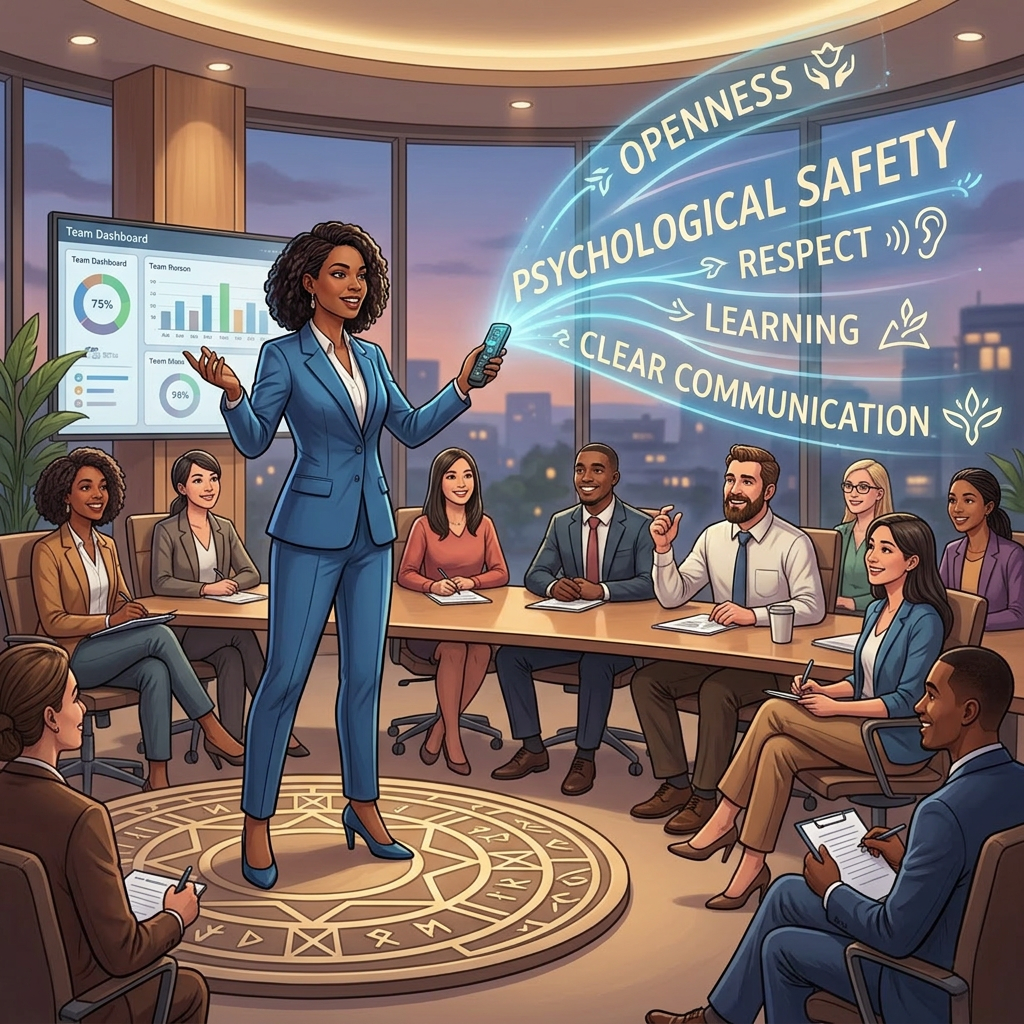
Research suggests that psychological safety is a critical prerequisite for authentic feedback cultures (Edmondson, 1999). Yet many companies struggle to create such environments. Employees often perceive feedback requests as performative rather than actionable, leading to disengagement.
Professional Ways to Clarify Leadership Intent
- Are you looking for brainstorming input, or a quick alignment check?
- Would you prefer candid feedback or general impressions?
- Is this a decision already made, or are options still open?
- How detailed should feedback be at this stage?
- Are there constraints I should consider before proposing ideas?
Navigating Feedback Dynamics
For Neurodivergent Employees
- Request explicit expectations for feedback
- Follow up conversations with written clarification
- Use structured feedback formats
- Ask for examples of actionable input
For Neurotypical Employees
- Model direct communication
- Validate others’ interpretations
- Support inclusive meeting norms
- Encourage psychological safety
Leadership and the “Lions vs. Sheep” Mindset
Some leadership and HR professionals unconsciously adopt hierarchical thinking, where executive insight is privileged over frontline experience. Studies indicate that power distance and hierarchy can suppress upward communication (Detert & Burris, 2007). This creates environments where feedback is requested but not valued.
Why This Mindset Fails
- It reduces innovation
- It increases turnover
- It erodes trust
- It limits adaptability
Conclusion
Clarity is kindness is not just a neurodivergent principle—it is a leadership imperative. Organizations that genuinely want innovation must align their words with their actions by rewarding honest input and modeling direct communication.
References (APA 7)
Edmondson, A. (1999). Psychological safety and learning behavior in work teams. Administrative Science Quarterly, 44(2), 350–383.
Detert, J. R., & Burris, E. R. (2007). Leadership behavior and employee voice. Academy of Management Journal, 50(4), 869–884.
If you enjoy this content like and subscribe. Additionally, if you are interested in consulting services, please feel free to reach out to me through my social media channels. Remember remote is here to stay.
YouTube: https://www.youtube.com/@Wickedbofthewest
Website: wickedbofthewestremoteconsulting.com
Facebook: https://www.facebook.com/WickedBoftheWestBusinessConsulting
Instagram: https://www.instagram.com/wickedbofthewestconsulting/
Blog: drstephaniebeardbaremoteresearch.org
LinkedIn: https://www.linkedin.com/in/stephanie-diana-eubank-dba/
TikTok: https://www.tiktok.com/@stephanie.eubank6
New Website: wickedbofthewestconsulting.com
Email: Drstephaniedeubank@wickedbofthewestconsulting.com or stephaniedeubank@gmail.com
TikTok: @stephaniedianaeubank
New Website: wickedbofthewestconsulting.com
Also, be sure to check out my first textbook on Operations Management. The book is titled “Remote Work Is Here to Stay: Rethinking Operations Management in the Modern Work Era.” You can purchase the textbook on Amazon at the link below.
https://www.amazon.com/gp/aw/d/B0H5BPJCHJ/ref=tmm_pap_swatch_0

