 Written by
 By: Stephanie Diana Eubank DBA
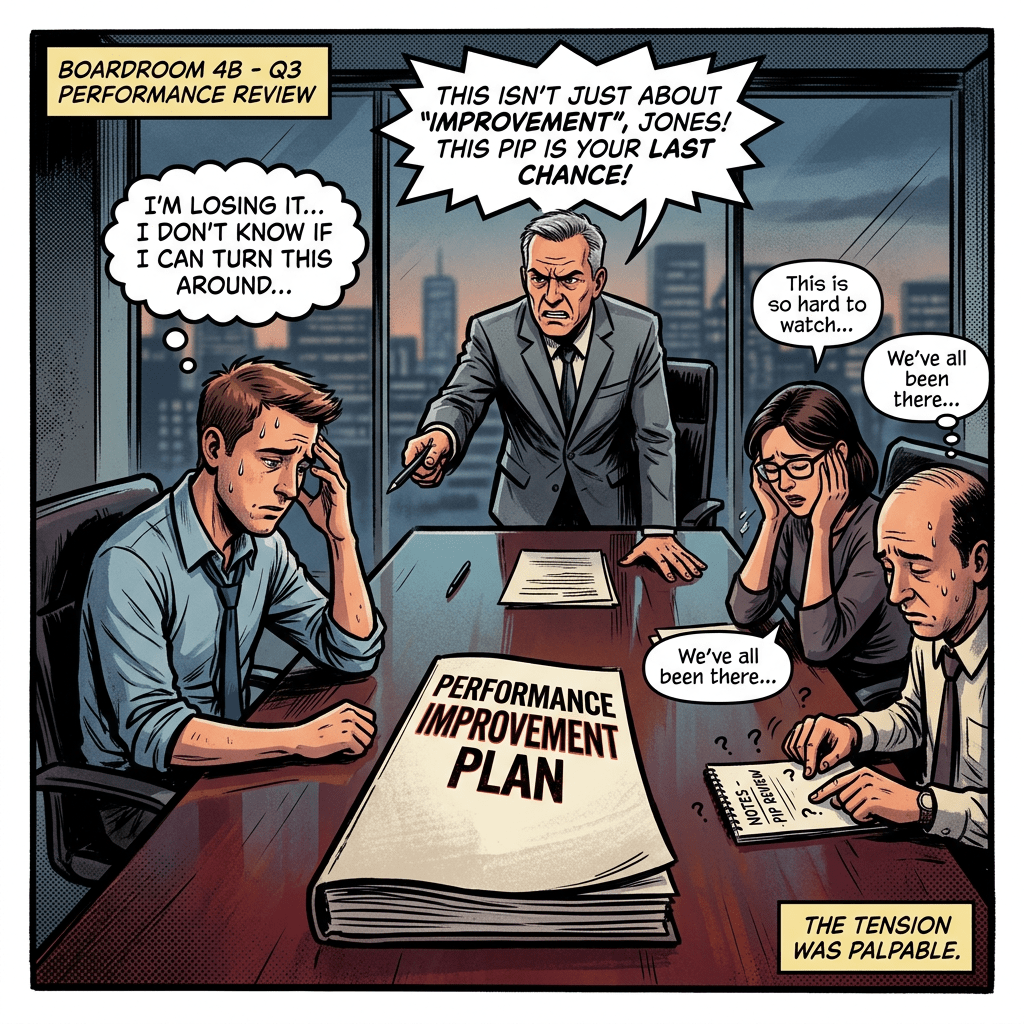
For decades, Performance Improvement Plans (PIPs) were intended to help struggling employees improve performance and succeed in their roles. Increasingly, however, many employees, including long-term high performers, report finding themselves unexpectedly placed on PIPs despite previously positive performance reviews.
Organizations facing economic uncertainty, shareholder pressure, restructuring, and return-to-office mandates may seek ways to reduce labor costs without formal layoffs. This practice is often referred to as quiet cutting or quiet firing.
Research suggests that approximately 15% to 20% of employees placed on a PIP remain in their roles long-term, meaning most eventually leave through resignation or termination. Other workforce surveys have found survival rates closer to 41%, but even these findings suggest substantial risk once an employee is placed on a PIP.
Employees frequently report experiencing unclear expectations, shifting responsibilities, inconsistent feedback, and moving goalposts. In many cases, workers describe receiving positive feedback for months before suddenly being told they are not meeting evolving expectations.
The rise of quiet cutting has raised concerns among employees and workplace researchers. Some organizations have been accused of using reassignment, increased performance pressure, return-to-office requirements, and aggressive performance management as alternatives to layoffs.
Research indicates that nearly 24% of surveyed employers acknowledged practicing some form of quiet cutting. Studies also found that approximately 40% of employees subjected to these practices eventually leave their organizations, while many others actively seek new opportunities.
A key issue underlying many PIP experiences is a lack of transparency. Employees often report limited communication regarding changing job responsibilities, altered performance metrics, and shifting organizational priorities. When performance standards are unclear, employee trust can deteriorate quickly.
Performance Improvement Plans can provide value when used as developmental tools. However, when organizations use them as a workforce reduction strategy without openly communicating business realities, they risk damaging morale, retention, engagement, and organizational culture.
The future of effective leadership depends on transparency, trust, clear expectations, and honest conversations. Employees perform best when they understand how success is measured and when organizations communicate organizational challenges openly.
APA 7 References
Forbes. (2023). The quiet cutting trend is a controversial leadership strategy, new study shows.
HT Group. (2024). Can you survive a performance improvement plan (PIP) at work?
Innovative Human Capital. (2024). Quiet cutting is just as bad as loud layoffs.
WorkLife. (2024). Are you being quietly cut with a performance improvement plan?
The Economic Times. (2026). Employee moved from a 30-day PIP to just 6 days after a three-week vacation.
Book Information
Remote Work Is Here to Stay: Rethinking Operations Management in the Modern Work Era
Available on Amazon: https://www.amazon.com/dp/B0H5BPJCHJ
If you enjoy this content like and subscribe. Additionally, if you are interested in consulting services, please feel free to reach out to me through my social media channels. Remember remote is here to stay.
YouTube: https://www.youtube.com/@Wickedbofthewest
Website: wickedbofthewestremoteconsulting.com
Facebook: https://www.facebook.com/WickedBoftheWestBusinessConsulting
Instagram: https://www.instagram.com/wickedbofthewestconsulting/
Blog: drstephaniebeardbaremoteresearch.org
LinkedIn: https://www.linkedin.com/in/stephanie-diana-eubank-dba/
TikTok: https://www.tiktok.com/@stephanie.eubank6
New Website: wickedbofthewestconsulting.com
Email: Drstephaniedeubank@wickedbofthewestconsulting.com or stephaniedeubank@gmail.com
TikTok: @stephaniedianaeubank
New Website: wickedbofthewestconsulting.com
Also, be sure to check out my first textbook on Operations Management. The book is titled “Remote Work Is Here to Stay: Rethinking Operations Management in the Modern Work Era.” You can purchase the textbook on Amazon at the link below.

