AI in College Education: A Catalyst for Real-World Skills

By: Dr. Stephanie Diana Eubank DBA

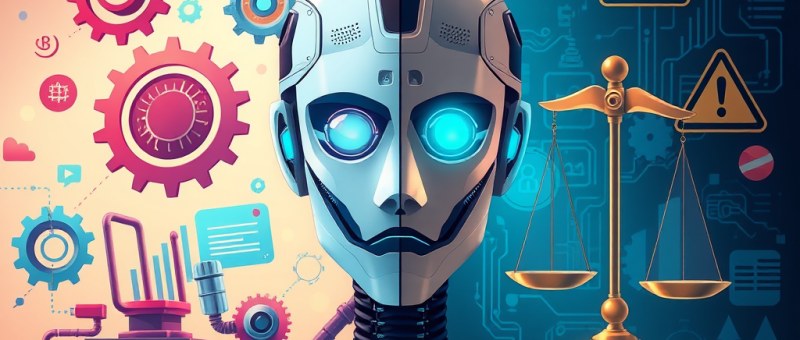
Artificial Intelligence (AI) continues to spark debate in higher education, especially as tools like ChatGPT and Microsoft Copilot become more integrated into academic workflows. In a recent CNN segment, Fareed Zakaria (Linked Here https://www.cnn.com/2025/09/07/politics/video/gps-0907-ai-threat-in-schools)  explored the growing concern among educators that AI might undermine traditional learning, particularly essay writing and critical thinking. However, this concern overlooks the transformative potential AI offers when paired with thoughtful curriculum design and modern communication platforms.

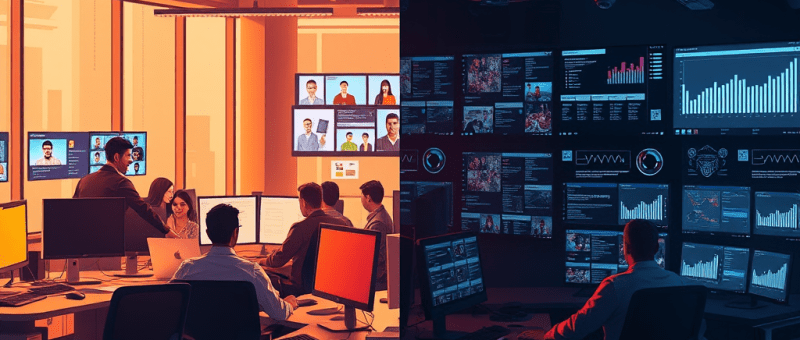
As a seasoned university-level business lecturer, I’ve seen firsthand how integrating technology into the classroom enhances student engagement and learning outcomes. At institutions like CSU Stanislaus and CSU East Bay, I’ve developed and delivered online courses in operations management, supply chain strategy, Lean Operations Management, and organizational leadership using platforms like Microsoft Teams and Zoom. These tools not only support flexible learning but also allow students to practice real-world communication skills through recorded presentations and verbal defenses. My experience in curriculum design, DEI advocacy, and remote leadership training reflects the evolving demands of both academia and industry. Learn more about my work and background on LinkedIn https://www.linkedin.com/in/stephanie-diana-eubank-dba.

Verbal Defenses: A Bridge Between AI and Critical Thinking

One of the key points raised in the CNN discussion was the idea of requiring students to verbally defend their written work. This approach not only mitigates the risk of AI-generated essays but also strengthens students’ ability to articulate and justify their ideas. Integrating this into college curricula is remarkably feasible using tools already widely available—Zoom and Microsoft Teams.

These platforms allow students to record verbal defenses of their essays, presentations, or projects. Faculty can assess not just the content but the clarity, confidence, and coherence of the student’s argument. This method reinforces public speaking, a skill often underdeveloped in traditional academic settings but essential in the professional world.

Public Speaking and Tech Fluency: Real-World Readiness

In today’s workforce, communication is key. Whether in remote meetings, client presentations, or team collaborations, professionals are expected to speak clearly, think critically, and use digital tools effectively. Platforms like Microsoft Teams and Zoom are not just classroom utilities—they are industry standards.

By incorporating AI tools like Microsoft Copilot into assignments, students learn how to leverage automation for productivity while maintaining accountability through verbal presentations. This dual approach—using AI for drafting and human skills for defending—mirrors real-world workflows where AI assists but doesn’t replace human judgment.

AI as a Teaching Assistant, Not a Threat

Rather than viewing AI as a threat, educators should embrace it as a teaching assistant. It can help students brainstorm, organize ideas, and even simulate feedback. When paired with structured verbal assessments and collaborative tools, AI becomes a catalyst for deeper learning and skill development.

Conclusion

The future of education isn’t about resisting AI—it’s about integrating it responsibly. By using platforms like Zoom and Microsoft Teams to facilitate verbal defenses and public speaking, colleges can ensure students not only learn but also communicate, collaborate, and compete in a tech-driven world. AI, when used wisely, is not a shortcut—it’s a stepping stone to a more dynamic and inclusive educational experience.

If you enjoy this content like and subscribe.  Also, if you are interested in consulting services please reach out through my social media.  Remember remote is here to stay.

YouTube: https://www.youtube.com/@Wickedbofthewest

Website: wickedbofthewestremoteconsulting.com

Facebook: https://www.facebook.com/WickedBoftheWestBusinessConsulting

Instagram: https://www.instagram.com/wickedbofthewestconsulting/

Blog: drstephaniebeardbaremoteresearch.org

LinkedIn: https://www.linkedin.com/in/stephanie-diana-eubank-dba/

TikTok: https://www.tiktok.com/@stephanie.eubank6

New Website: wickedbofthewestconsulting.com
Email: Drstephaniedeubank@wickedbofthewestconsulting.coma/

TikTok: @stephaniedianaeubank

New Website: wickedbofthewestconsulting.com
Thriving with ADHD in Remote Work: Time, Morale & Authentic Living

By Dr. Stephanie Diana Eubank


Remote work can be a game-changer for those of us with ADHD. It offers flexibility, comfort, and—perhaps most importantly—a break from the emotional labor of masking. If you’ve ever felt drained just trying to ‘act normal’ in a traditional office, you’re not alone. Working from home allows us to show up as our authentic selves, and that’s a beautiful thing.

What is Emotional Masking?

Emotional masking is the effort neurodivergent individuals often make to hide or suppress their natural behaviors, emotions, or reactions to fit into neurotypical expectations. For people with ADHD, this might mean pretending to be calm when they’re excited, forcing eye contact, or suppressing the need to fidget. It’s exhausting—and remote work helps reduce this burden.

Time Management That Feels Good

1. Start with a Morning Ritual

Ease into your day with something that brings joy—coffee, stretching, journaling, or even dancing. This sets a positive tone and helps your brain transition into work mode.

2. Time Block with Flexibility

Structure your day with blocks of focused work and breaks. Try 45 minutes of work followed by 15 minutes of rest. Use tools like Google Calendar or Microsoft Outlook to schedule these blocks.

3. Pomodoro with Personality

Use the Pomodoro technique (25 minutes work, 5 minutes break) but make it yours. Add music, use a fun timer, or reward yourself with a treat after each cycle.

4. Breaks That Reset Your Brain

Take intentional breaks to reset mentally. Step outside, stretch, play with a pet, or use a fidget toy. These moments help regulate energy and improve focus.

Boosting Morale While Working Remote

5. Body Doubling with Microsoft Teams

Invite a friend or coworker to a Teams call and work together silently. Just having someone there can increase focus and reduce procrastination.

6. Fidget Toys Are Your Friends

Keep a fidget toy nearby—putty, cubes, rings, or even a textured pen. They help channel energy and keep your hands busy while your brain focuses.

7. Celebrate Every Win

Finished a task? Celebrate it! ADHD brains thrive on dopamine, so give yourself credit—even for the small stuff.

8. Create a Joyful Workspace

Make your space feel good. Add colors, lights, plants, or anything that makes you smile. Your environment matters.

Living Authentically with ADHD

Remote work isn’t just about convenience—it’s about liberation. It allows us to work in ways that honor our brains, our energy, and our emotions. With the right tools and mindset, ADHD can be a superpower in the remote world. So here’s to working joyfully, managing time with kindness, and showing up as your true self.

If you like this content like and subscribe and as always remember remote work it is here to stay.

If you enjoy this content like and subscribe.  Also, if you are interested in consulting services please reach out through my social media.  Remember remote is here to stay.

YouTube: https://www.youtube.com/@Wickedbofthewest

Website: wickedbofthewestremoteconsulting.com

Facebook: https://www.facebook.com/WickedBoftheWestBusinessConsulting

Instagram: https://www.instagram.com/wickedbofthewestconsulting/

Blog: drstephaniebeardbaremoteresearch.org

LinkedIn: https://www.linkedin.com/in/stephanie-diana-eubank-dba/

TikTok: @stephaniedianaeubank

New Website: wickedbofthewestconsulting.com

Today I am Officially Dr Eubank!

It has finally happened. I have finally finished my dissertation, and the dissertation committee accepted my final defense. I officially hold a Doctorate in Business Administration from Concordia University Chicago. I would have posted earlier, but I needed to recollect myself. It was truly emotional for me.

Based on my research, remote work has been viable since the 1980s. Still, it has never been put into widespread action due to the researchers looking primarily at the leadership perspective and feeling it would hurt productivity. However, the findings from the current research on COVID lockdowns and the Bureau of Labor and Statistics show no remote effect on productivity. This means hard-working parents like my mother and grandmother could have had a better work-life balance to make more time for the families they worked so hard to provide for, which is bittersweet. My children and I have been blessed with my ability to work remotely for the past 12 years, so my sons are always a priority. This is something more parents are starting to gain, but there is still a long way to go.

I am hopeful that my research will help further the fact that remote work is indeed here to stay.

YouTube: https://www.youtube.com/@Wickedbofthewest

Website: wickedbofthewestremoteconsulting.com

Facebook: https://www.facebook.com/WickedBoftheWestBusinessConsulting

Instagram: https://www.instagram.com/wickedbofthewestconsulting/

Twitter: @SDEubank

Blog: drstephaniebeardbaremoteresearch.org

LinkedIn: https://www.linkedin.com/in/stephanie-diana-eubank-dba/

TikTok: @stephaniedianaeubank

Why Are Leaders Upset About Laundry?

By Stephanie Diana Eubank

I know I have been away for a while. I have been using the time to work on my doctorate and my teaching, as well as building my consulting company. My final defense has been scheduled for 1/6/25 so wish me luck. While doing this several articles have come out of leaders freaking out about remote workers doing house hold tasks.

What is meant by this is leaders are getting up in arms about remote workers taking their breaks and doing a bit of laundry, or house work. Tis the season and many remote workers with kids are having to juggle child care while kids are out of school. The holiday season also particularly stressful and creates an additional task for working parents to create holiday magic. This means remote workers have the unique ability to do something easy that helps them as an employee protect their sanity.

Burn out is a real thing and remote workers who can take their breaks to do a load of laundry, or throw some food in a crockpot, or do some online Christmas shopping. (Spoiler for parents doing online shopping remember Amazon will wrap your presents. ) Work/life balance is an important step in maintaining mental health as a prevention of:

Workplace PTSD,

Burnout,

Workplace Violence, and

Employee turnover.

When employees are happy and able to lower their stress, they are more productive. COVID proved that all the research since 1980 that remote work would hurt productivity was wrong. What the cry out from leadership is really a cry is because the change in the leadership style is being demanded by the workforce. As we talk more in this blog I will be sharing more results of my research on the demand for y-theory leadership as we move into a brighter remote work future. As always remember remote work, it is here to stay.

Happy Labor Day & lets talk about #remotework & #Remoteleadership & the #apolloeffect

By Stephanie Diana Eubank

My dissertation research has revealed an interesting finding regarding the #apolloeffect, which occurs when too many subject matter experts are on a team, and how this ruins the team. However, in #remotework, this isn’t happening because followers do not understand that they are subject matter experts, and leaders do not know that this needs to be told to their teams. Leadership’s perception of their teams is essential in helping to develop how teams see themselves, especially in a remote setting. This is also a sign that remote workers need to take credit for their experience and understand how this makes them a specialist in their arenas especially after being in their fields so long.

If you enjoyed this content, like and subscribe. Also, if you are interested in consulting services, please contact me through my social media. Remember, remote is here to stay. YouTube: https://www.youtube.com/@Wickedbofthewest Website: wickedbofthewestremoteconsulting.com Facebook: https://www.facebook.com/WickedBoftheWestBusinessConsulting Instagram: https://www.instagram.com/wickedbofthewestconsulting/ Twitter: @SDEubank Blog: drstephaniebeardbaremoteresearch.org LinkedIn: https://www.linkedin.com/in/stephanie-diana-eubank-dba/ TikTok: @stephaniedianaeubank

Society Needs To Show More Respect To Remote Working Parents and Stay-At-Home-Parents.

By Stephanie Diana Eubank

I want to start out by saying there is no shame or blame negativity towards those who are stay-at-home parents or Stay-at-home moms, also known as SAHM or SAHP.  The fact is that for many families the ability to have a stay-at-home parent that does not work remotely is a luxury not all can afford.  Remote work is a way for a working parent to have some work-life balance, have more time with family, and have the benefits of throwing a load of laundry in the wash during breaks or throwing some food in the crockpot so dinner is ready after work.  Although I have been a mother with an infant while working from home there is a difference between the two.

Speaking from previous experiences and the current experiences relayed to me by friends, colleagues, and in my research, many remote workers with a partner who worked in person or hybrid, especially before COVID, were regarded as being SAHP and viewing their work and finances as less than.  Which is the root of my post today.  This being the last week of Women’s History Month in the US, it is customary (unfortunately) to deem household and childcare responsibilities squarely on a woman’s shoulders and to devalue these contributions.  The fact that SAHM/ SAHP are disregarded for the hard work they do for their family is unfair and inappropriate.  However, so is devaluing working parents who work remotely to attempt to have a work-life balance to provide for and support their family.    

Speaking from my personal experience when I was first working from home, and my sons were infants and toddlers in my first marriage, the verbalized opinion from family and my ex-partner was that as a remote worker, I should also be able to care for my children, have a spotless home, and dress up like a 1950’s housewife and serve drinks for those working in person.  All while keeping my business productivity high and being happy about my extra-earned responsibilities as a mother and primary breadwinner. But that is not sustainable!  Even for SAHM/ SAHP, that view is not sustainable.  Parenthood comes with ups and downs, and the acceptance that nothing will ever be perfect is a full-time job as well. Remote workers forced into this social view are expected to work three plus jobs at once. 

I am truly blessed my current husband has no such expectations of me and instead works with me to help coordinate help in our home so that I can relax, work, study, research, and be a wonderful mom.  I am really lucky my children and my husband all support my work and value the importance of my research to help other working parents have the opportunity to keep showing their love for their family through the hard work to provide for them and still being able to be present and at the moment with their families.

As Women’s History Month comes to a close, let us all work together to support both working parents and stay-at-home parents as they show love to their families through hard work and dedication.

Seeing how society views remote working parents and devaluing stay-at-home parents, I am seeking volunteers who are either remote working parents or stay-at-home parents to participate in a survey to look at this devaluation of work.  My theory is that once we understand the hard work both sides put into raising a family and talk about it publicly the sooner, we can see the truth of remote work being a great tool for helping with mental health in the workplace by creating a work-life balance and not an excuse to shame people for having children.

If you are interested in participating in this research, please send an email with your name, contact information and a link to one of your social media sites preferably LinkedIn to stephanie.eubank@wickedbofthewestremoteconsulting.com With the subject Remote v SAHP. 

If you enjoyed this content, like and subscribe.  Also, if you are interested in consulting services, please contact me through my social media.  Remember, remote work is here to stay.

YouTube: https://www.youtube.com/@Wickedbofthewest

Website: wickedbofthewestremoteconsulting.com

Facebook: https://www.facebook.com/WickedBoftheWestBusinessConsulting

Instagram: https://www.instagram.com/wickedbofthewestconsulting/

Twitter: @SDEubank

Blog: drstephaniebeardbaremoteresearch.org

LinkedIn: https://www.linkedin.com/in/stephanie-diana-eubank-dba/

TikTok: @stephaniedianaeubank

Remember, The Best Way To Show A Company is Pro Women Is To Encourage Remote Work

By Stephanie Diana Eubank

With March being Women’s History Month, we have to remember the long-standing fights women have had to endure that have gotten us here today. From suffragettes to women demanding to wear pants in the workplace and moving towards more education and a seat at the boardroom table, women have come a long way. And yet, they have not come far enough.

As women, we still take on a large part of the risks when having children, and this includes workplace discrimination.  There are so many companies under fire for firing women and besmirching them to get them to quit when a woman announces her pregnancy.  Unfortunately, this stems from old-school myths.

The myth is that women are less devoted to their jobs when they have kids.  Numerous studies on this and data from the Bureau of Labor and Statistics have been disproven for decades. With 75% of all care taking in this country that is unpaid being done by women we need to make sure that the business world makes room for women to participate and afford to care for their loved ones.  This makes remote work a great pro-women business culture tool.  When we understand women’s struggles in the workplace, even when working hard to gain advanced degrees and skills, we make a more inclusive and profitable workplace.

Reddit is a great market research tool, but it has also become a mirror for the Business World on toxic leadership and business practices. We need to remember some things women are still dealing with:

  • Less likely to be promoted than their male counterparts.
  • Less likely to find mentors willing to help guide them through their careers.
  • Making less money even with higher degrees.
  • And more likely to be pushed out of a job when announcing a pregnancy or other family changes than their male counterparts.
  • Being socially judged if one works and is a mother.
  • The statistical likeliness to be sexually harassed than male counterparts.

Once we understand these constant issues that are still prevailing in the business world, we will better understand how remote work is an organizational culture tool to increase diversity and inclusion and make an organization pro-women.

If you enjoyed this content, like and subscribe.  Also, if you are interested in consulting services, please reach out through my social media.  Remember, remote is here to stay.

YouTube: https://www.youtube.com/@Wickedbofthewest

Website: wickedbofthewestremoteconsulting.com

Facebook: https://www.facebook.com/WickedBoftheWestBusinessConsulting

Instagram: https://www.instagram.com/wickedbofthewestconsulting/

Twitter: @SDEubank

Blog: drstephaniebeardbaremoteresearch.org

LinkedIn: https://www.linkedin.com/in/stephanie-diana-eubank-dba/

Remote Work and Mixed Modalities Reveals Easier Way To Bond With Your Team

By Stephanie Eubank

Remote work has helped organizational culture evolve and change to fit the natural changes to the business world, such as making remote work more accessible and dynamic. However, there is a small change that has been growing since the early 2000s in business culture, and it actually has helped business leadership bond with their teams. Ironically, this change is the change to business fashion.

In remote and hybrid work, many dress to be zoom-ready.  This means wearing a top-up dress that is presentable and comfortable clothing from the waist down.  This allows employees and leadership to focus on comfort and getting the job done.  This is yet another example of how remote work helps make the actual work stand out.  This also allows more inclusivity to those like me who have physical disabilities along with those also like me who are neurodivergent and certain fabrics and cuts are distracting and uncomfortable.  This is yet another opportunity for my work and expertise to shine when I can focus on the work instead of the beauty pageant of the office.

Also, having a Zoom-ready/ business casual dress code helps low-income workers feel less obligated to try and spend every penny to follow all the most expensive business wardrobe trends.  This practice particularly hurts young women entering the workforce and working single moms. Remote work allows these demographics to stand out for their work and creativity instead of standing out while trying to fit into corporate culture.

This also allows an interesting benefit for those in leadership roles. Traditionally, business leaders will dress up to distinguish themselves from their followers/ employees. However, this practice also creates boundaries within an organization, which helps when using harsher leadership practices linked with Toxic Leadership. 

However, dressing business casual psychologically makes a leader more approachable to their employees and the community serving clients.  It shows leadership on the same level as the workers as another worker in the trench.  This also helps facilitate communication and transparency among teams.  Reliability and comfort are great ways to help bond with teams, encouraging better morale and lowering turnover. 

Now, dressing down isn’t going to make a toxic leader less toxic, but it is a step in the right direction toward a new normal definition of leadership. It’s about meeting people where they are and learning how to be truly human.

If you enjoyed this content, like and subscribe.  Also, if you are interested in consulting services, please reach out through my social media.  Remember, the remote is here to stay.

YouTube: https://www.youtube.com/@Wickedbofthewest

Website: wickedbofthewestremoteconsulting.com

Facebook: https://www.facebook.com/WickedBoftheWestBusinessConsulting

Instagram: https://www.instagram.com/wickedbofthewestconsulting/

Twitter: @SDEubank

Blog: drstephaniebeardbaremoteresearch.org

LinkedIn: https://www.linkedin.com/in/stephanie-diana-eubank-dba/

Gifts and Remote Work

By Stephanie Diana Eubank

While discussing supply chain management and the effects on customer and vendor relationships during pandemics, the topic of sending Valentine’s Day gifts to one workplace came up. I remember being sad and jealous of coworkers whose partners and family could send them flowers. Still, security had to dismantle and reassemble the gifts because of safety guidelines, especially in the financial sector, where security was heightened after 9/11. 

However, after working remotely for over 12 years now, I and others like me have been able to enjoy gift-giving and receiving without issues. However, this does not mean there are no risks in working remotely and others knowing your address. This is a topic to be mindful of, and that is a different TED talk. But my husband is able to send flowers, and there are no issues as he’s just sending them to the house. 

For all those who are celebrating Valentine’s Day or Galentine’s Day, etc., enjoy the holiday and Thursday of savings on Valentine’s Day candy.

If you enjoyed this content, like and subscribe.  Also, if you are interested in consulting services, please reach out through my social media.  Remember remote is here to stay.

YouTube: https://www.youtube.com/@Wickedbofthewest

Website: wickedbofthewestremoteconsulting.com

Facebook: https://www.facebook.com/WickedBoftheWestBusinessConsulting

Instagram: https://www.instagram.com/wickedbofthewestconsulting/

Twitter: @SDEubank

Blog: drstephaniebeardbaremoteresearch.org

LinkedIn: https://www.linkedin.com/in/stephanie-diana-eubank-dba/

TikTok: @stephaniedianaeubank

Remote Work Requires More Networking

By: Stephanie Diana Eubank

For those who are new to my channel, I teach Business Administration and Operations Management at Stan State.  However, for the past 20 years, I have worked in the mortgage compliance arena, specializing in Condo Mortgage Underwriting.  Which is a whole TED talk of its own.  I was lucky that one of my mentors took a shot at me when she was developing a department from scratch and was doing so remotely.  She had disabilities, and remote work helped her make her work the focus instead of her disabilities. This is one of the wonders of remote work that I champion working from home, allowing the disabled community room to focus on their work and how remote work increases diversity and inclusion.  Although this opportunity stems from the adage, “It is not what you know or who you know.  It is about who knows you”. 

I have been fortunate enough to be a millennial in the financial industry, which means I have been experiencing Myspace, LinkedIn, and Facebook in my formative years. This helped me learn an important lesson I try to teach my students.  That lesson is the importance of networking.

In my doctoral research, I learned about the types of isolation common in remote work.  Specifically, professional isolation is prevalent.  I got to see firsthand how companies, especially during the reconstruction era after the financial crisis of 2008 how contractors were unceremoniously laid off with no notice.  However, my research found that remote workers also have experienced the feeling of being treated as a number and being treated as expendable. This is because remote workers tend to be isolated from leadership it was easier for leadership to not become attached and lay off remote workers indiscriminately. 

Fast forward to 2024, we see the onslaught of forced Return to Office, also called RTO.  Which has an added insidious business practice. The practice of RTO attempts to force remote workers back to the office or to quit so that companies can have a layoff without following the WARN Act and steal workers’ insurance, like unemployment rights, from their workforce.

This is where networking becomes necessary for our remote workforce’s career health and growth.

Networking is a great way to help the workforce regardless of modality gain:

  • Better mental health,
  • Skills in self-advocacy and connecting with leadership to stave off professional isolation,
  • Develop community,
  • Help find jobs, cultivate references, and
  • Stay up to date with changes in the industry.

I have been lucky to have so many friends and mentors (they all know who they are) in my field with whom I have stayed in touch remotely for over two decades. A couple I have not even met face to face outside of Zoom, Microsoft Teams, or Skype.  Having my circle of friends in my field to talk about issues and successes has not only been good for my and their mental health but also helped us survive the now two economic downturns and changes that welcomed remote workers into the norm of the workforce.  We have worked remotely for between five and twelve years each.  We have all gotten to experience the benefits of remote work creating a work-life- balance. This has made many of us more connected to our families and friends and lowered stress.  Not to mention that we have all helped each other with our job hunts and references.  Community is an important part of developing work culture. Unfortunately, while business trends and laws adjust to this new norm in remote work, the workforce must learn to develop their community. 

.    If you enjoyed this content, like and subscribe.  Also, if you are interested in consulting services, please reach out through my social media.  Remember, remote is here to stay.

YouTube: https://www.youtube.com/@Wickedbofthewest

Website: wickedbofthewestremoteconsulting.com

Facebook: https://www.facebook.com/WickedBoftheWestBusinessConsulting

Instagram: https://www.instagram.com/wickedbofthewestconsulting/

Twitter: @SDEubank

Blog: drstephaniebeardbaremoteresearch.org

LinkedIn: https://www.linkedin.com/in/stephanie-diana-eubank-dba/