 Written by
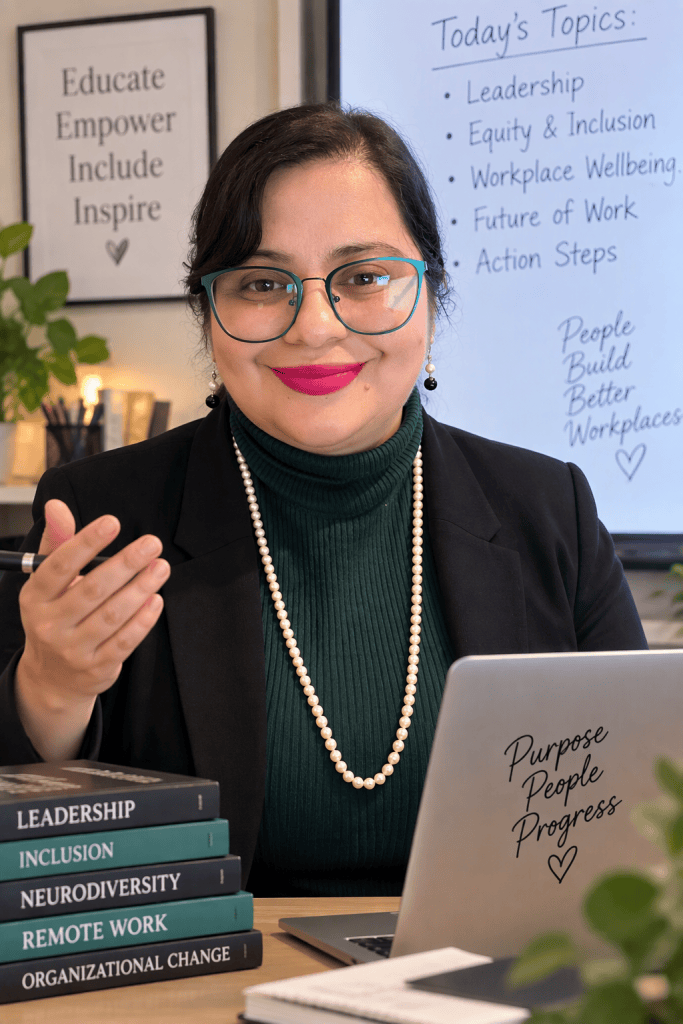
By: Dr. Stephanie Diana Eubank DBA
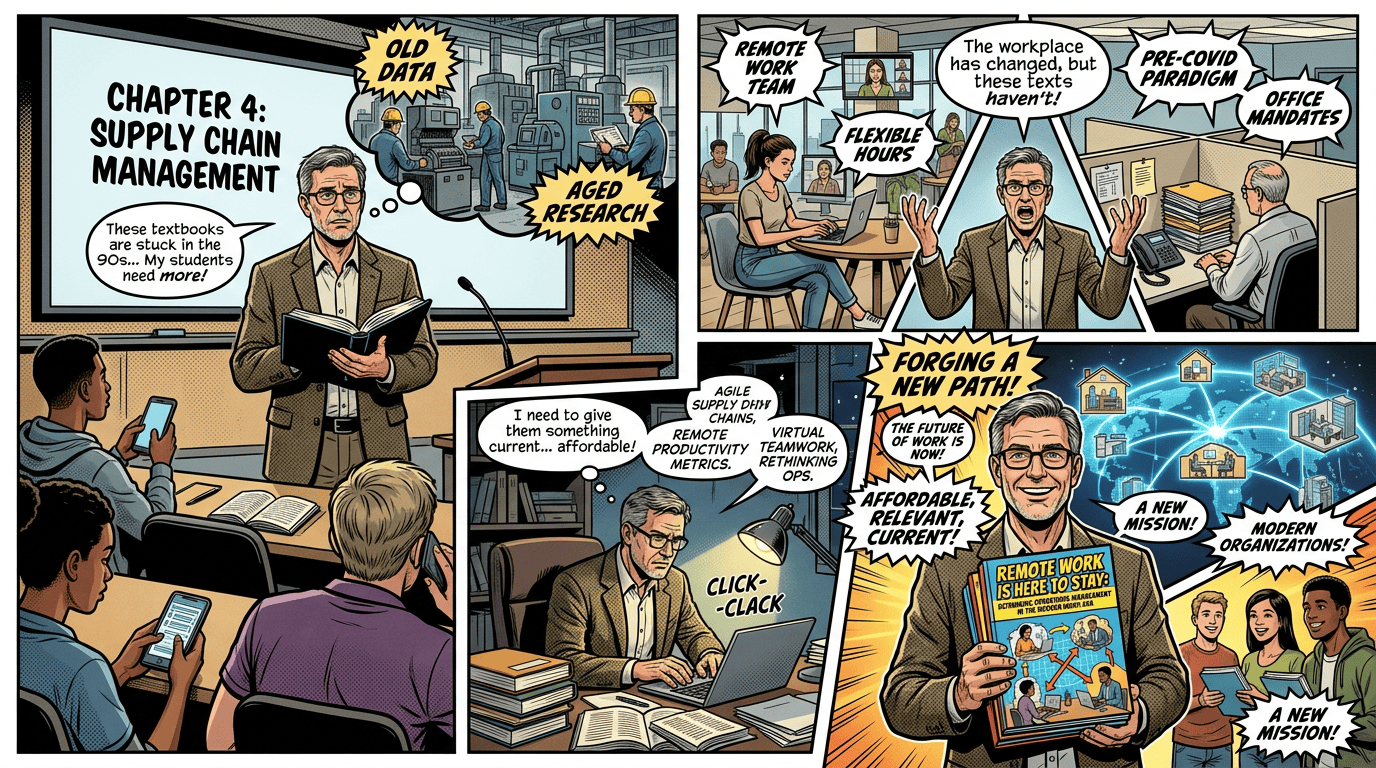
As an Operations Management instructor, I have spent years reviewing and teaching from textbooks intended to prepare students for the realities of modern organizations. Over time, I became increasingly frustrated with the disconnect between textbook content and the realities my students were experiencing in the workplace. Many texts relied on outdated examples, aging research, and assumptions about remote work that no longer reflected contemporary business environments. This article discusses the origins of my book, Remote Work Is Here to Stay: Rethinking Operations Management in the Modern Work Era, and explains how a desire to provide affordable, current, and relevant learning materials for students evolved into a broader mission to contribute updated perspectives to the future of work.
Why This Book Almost Didn’t Happen
I often tell people that I did not initially set out to become an author. In fact, Remote Work Is Here to Stay emerged from a place of professional frustration rather than literary ambition. As an Operations Management instructor at Stanislaus State, I routinely evaluate potential textbooks for use in my courses. What I repeatedly found was that many recommended texts contained outdated examples, stale research, and discussions that failed to reflect the world my students were actually entering.
One of the most striking examples involved discussions surrounding remote work. Many operations and management textbooks continued to reference studies and arguments from decades ago, frequently portraying remote work as impractical, ineffective, or detrimental to productivity. These perspectives were often based on organizational realities that existed before cloud computing, virtual collaboration platforms, advanced project management software, and modern communication technologies transformed how organizations function.
Meanwhile, many of my students were already working remotely, managing virtual teams, operating online businesses, freelancing, consulting, or pursuing entrepreneurial ventures from their homes. The disconnect between textbook content and workplace realities was becoming increasingly difficult to ignore.
Teaching the World Students Are Entering
Every semester, I found myself supplementing assigned readings with current research articles, industry reports, business case studies, and real-world examples. I wanted my students to understand how organizations operate today, not how they operated thirty years ago.
At some point, I realized I was effectively creating my own textbook through these supplemental materials. That realization led me to ask a simple question:
If I am already building the content I wish existed, why not create the textbook I wish I had?
That question ultimately became Remote Work Is Here to Stay: Rethinking Operations Management in the Modern Work Era. What began as a classroom resource evolved into a project with a much larger purpose.
One of my primary goals was to develop a resource that I could provide digitally to my Operations Management students. Higher education is expensive, and textbook costs can present a significant burden. I wanted students to have access to current, relevant information without creating additional financial barriers to learning.
The Problem With a Narrow Perspective
Another issue I consistently observed involved the perspective represented within many operations and management resources. Much of the literature examined workplace issues almost exclusively through the lens of leadership and management. While leadership perspectives are important, operations are not executed solely within executive suites or boardrooms.
Operations occur through the efforts of employees, frontline workers, supervisors, project managers, entrepreneurs, consultants, and remote professionals who navigate challenges every day. When educational resources focus only on executive viewpoints, they risk overlooking the experiences of the individuals who actually carry out organizational processes and interact with customers, systems, and stakeholders.
I wanted to create a resource that acknowledged both perspectives. Effective operations management requires understanding leadership decisions as well as the realities experienced by those responsible for implementing them.
My Students Inspired This Book
One of the reasons I enjoy teaching Operations Management is that many students enroll in the course with entrepreneurial aspirations. While some intend to pursue traditional management careers, many hope to launch businesses, create nonprofit organizations, establish consulting firms, develop online brands, or build innovative solutions for emerging markets.
These students require more than conventional corporate case studies. They need practical knowledge concerning process design, organizational strategy, technology implementation, leadership, remote work, organizational culture, and sustainable growth. They need information that reflects today’s economy rather than yesterday’s assumptions.
This reality ultimately transformed the book into a labor of love. It was written first and foremost for my students, but it also became my contribution to a broader conversation about the future of work, leadership, and business education.
A World That Needs Updated Research
Organizations today face challenges that previous generations could scarcely imagine. Artificial intelligence is transforming business processes. Remote and hybrid work models continue to evolve. Employee expectations are changing. Technology accelerates innovation while simultaneously creating new forms of disruption. Small businesses increasingly compete on a global scale from their earliest stages of development.
These realities demand updated research, contemporary case studies, and fresh perspectives. I believe business education must evolve alongside the organizations and professionals it seeks to serve. My hope is that this book contributes to that evolution by encouraging discussions grounded in current workplace realities rather than outdated assumptions.
Join Me in Spring 2027
If you are a student at Stanislaus State and are interested in entrepreneurship, leadership, operations strategy, process improvement, organizational effectiveness, or the future of work, I encourage you to consider enrolling in my Operations Management course during Spring 2027.
The course examines real-world organizational challenges and emphasizes practical applications that students can use whether they pursue careers in established organizations or launch businesses of their own.
Workplace Leadership Health Check™
Ready to see how your workplace scores?
Take the Workplace Leadership Health Check™ today:
Survey Link:
https://csustan.co1.qualtrics.com/jfe/form/SV_bvd9FFz2MyRUUyW
Whether you are an employee, leader, human resources professional, entrepreneur, or business owner, this assessment can provide valuable insights into workplace culture, leadership effectiveness, communication practices, and organizational health.
Consulting Services
Through Wicked B of the West Business Consulting, I help organizations and professionals develop practical solutions for:
Remote work implementation
Remote leadership development
Business process improvement
Organizational design
Accessibility accommodations
Professional branding
Future-of-work strategy
Leadership development
Organizations interested in consulting services can learn more at:
Website: wickedbofthewestconsulting.com
Upcoming Webinar
I also invite you to join my upcoming webinar on January 16, 2027, where we will discuss leadership, organizational effectiveness, artificial intelligence, remote work trends, and the future of business.
Companion Workbook Coming Soon
To complement the book, I am excited to announce the release of a companion workbook scheduled for Cyber Monday, November 30, 2026. The workbook is designed to help readers apply the concepts discussed in the book directly to their own organizations, careers, and entrepreneurial ventures.
Book Spotlight
Remote Work Is Here to Stay: Rethinking Operations Management in the Modern Work Era
Available on Amazon:
As organizations continue adapting to changing work environments, operational excellence, strategic leadership, and effective remote management remain critical competencies for long-term success.
Connect With Me
Website: wickedbofthewestconsulting.com
YouTube: https://www.youtube.com/@Wickedbofthewest
Facebook: https://www.facebook.com/WickedBoftheWestBusinessConsulting
Instagram: https://www.instagram.com/wickedbofthewestconsulting/
LinkedIn: https://www.linkedin.com/in/stephanie-diana-eubank-dba/
Company LinkedIn: https://www.linkedin.com/company/wicked-b-of-the-west-business-consulting
TikTok: @drstephanieeubank
Blog: drstephaniebeardbaremoteresearch.org
Email: wickedbofthewestconsulting@gmail.com
References
Stanislaus State. (n.d.). Operations Management course materials and curriculum resources.
Eubank, S. D. (2026). Remote work is here to stay: Rethinking operations management in the modern work era. Amazon.
Remember: Remote is here to stay.