AOBR 2026 Conference: The Complexities of Remote Work Unveiled

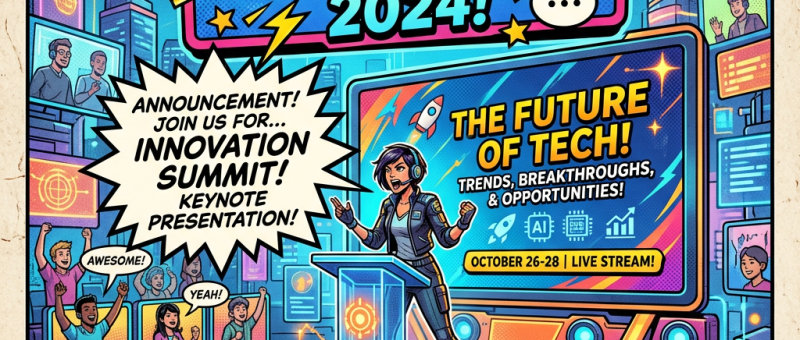
Speaker at virtual conference podium presenting on future tech trends with live online audience

By: Dr. Stephanie Diana Eubank DBA

I am excited to share that I have been accepted as a presenter at the Academy of Business Research (AOBR) Fall Conference Online, taking place July 30–31, 2026. My manuscript, entitled ‘The Double-Edged Sword: A Study in Remote Work from the Perspectives of Leadership and Followership on the Topics of Communication, Team Design, and Productivity,’ has officially been scheduled for presentation as part of the conference program. 

This research examines one of the most important workplace transformations of the modern era: remote work. The study explores the benefits and challenges associated with remote work through both leadership and followership perspectives. Specifically, the research investigates how communication practices, team design, and productivity are influenced by remote and hybrid work arrangements. As organizations continue to adapt to changing workforce expectations, understanding the experiences of both leaders and employees is critical to creating sustainable and effective work environments. 

The presentation will highlight the reality that remote work is neither universally positive nor universally negative. Instead, it represents a complex organizational tool that can strengthen performance when paired with effective communication strategies, intentional team structures, and leadership approaches based on trust and accountability. The findings contribute to the ongoing discussion surrounding the future of work and provide practical insights for business leaders, researchers, and human resource professionals. 

I am honored to have the opportunity to present this work to fellow researchers and practitioners who are helping shape the future of business. Academic conferences provide a valuable platform for sharing new ideas, discussing emerging trends, and building collaborative relationships that can advance both scholarship and organizational practice. 

For those interested in attending, tickets for the Academy of Business Research Fall Conference Online are still available. The virtual format makes it possible for participants from around the world to engage with cutting-edge business research without the need for travel. Additional conference information and registration details can be found at https://www.aobronline.com/. 

In addition to this upcoming presentation, I am pleased to announce that my new book, Remote Work Is Here to Stay: Rethinking Operations Management in the Modern Work Era, is now available on Amazon Books. The book explores how organizations can rethink traditional operations management practices in response to remote and hybrid work trends. Topics include leadership, productivity measurement, employee engagement, organizational design, and the long-term implications of flexible work arrangements. 

The book is designed for business professionals, managers, students, and researchers who want to better understand the evolving workplace. It builds upon many of the themes explored in my research and provides practical recommendations for organizations navigating the future of work. 

As I prepare for the Academy of Business Research Fall Conference, I look forward to sharing my findings, learning from fellow scholars, and continuing important conversations about the future of leadership, followership, communication, and productivity in remote work environments. I hope to see many of you at the conference, and I invite you to check out my new book on Amazon as we continue exploring the future of work together. 

Conference Information 
Academy of Business Research Fall Conference Online 
July 30–31, 2026 
Registration: https://www.aobronline.com/ 

 
Book Information 
Remote Work Is Here to Stay: Rethinking Operations Management in the Modern Work Era 
Available on Amazon: https://www.amazon.com/dp/B0H5BPJCHJ 

If you enjoy this content like and subscribe.  Additionally, if you are interested in consulting services, please feel free to reach out to me through my social media channels.  Remember remote is here to stay.  

YouTube: https://www.youtube.com/@Wickedbofthewest  

Website: wickedbofthewestremoteconsulting.com  

Facebook: https://www.facebook.com/WickedBoftheWestBusinessConsulting  

Instagram: https://www.instagram.com/wickedbofthewestconsulting/  

Blog: drstephaniebeardbaremoteresearch.org  

LinkedIn: https://www.linkedin.com/in/stephanie-diana-eubank-dba/  

TikTok: https://www.tiktok.com/@stephanie.eubank6  

New Website: wickedbofthewestconsulting.com  

Email: Drstephaniedeubank@wickedbofthewestconsulting.com or stephaniedeubank@gmail.com  

TikTok: @stephaniedianaeubank  

New Website: wickedbofthewestconsulting.com 

Also, be sure to check out my first textbook on Operations Management. The book is titled “Remote Work Is Here to Stay: Rethinking Operations Management in the Modern Work Era.” You can purchase the textbook on Amazon at the link below.  

Enhancing Clarity in Leadership Communication

Elven leader casting a magic spell with words unity, purpose, action, growth over a diverse crowd

By: Dr. Stephanie Diana Eubank DBA 

Clarity is kindness; a principle widely embraced within neurodivergent communities, particularly among individuals with ADHD, autism, and other cognitive differences. Clear, direct communication reduces ambiguity, anxiety, and misinterpretation. However, in many business environments, leadership practices contradict this value. Leaders often claim to welcome ideas and feedback, yet organizational behavior frequently signals otherwise. 

Research suggests that psychological safety is a critical prerequisite for authentic feedback cultures (Edmondson, 1999). Yet many companies struggle to create such environments. Employees often perceive feedback requests as performative rather than actionable, leading to disengagement. 

Professional Ways to Clarify Leadership Intent 

  • Are you looking for brainstorming input, or a quick alignment check? 
  • Would you prefer candid feedback or general impressions? 
  • Is this a decision already made, or are options still open? 
  • How detailed should feedback be at this stage? 
  • Are there constraints I should consider before proposing ideas? 

Navigating Feedback Dynamics 

For Neurodivergent Employees 

  • Request explicit expectations for feedback 
  • Follow up conversations with written clarification 
  • Use structured feedback formats 
  • Ask for examples of actionable input 

For Neurotypical Employees 

  • Model direct communication 
  • Validate others’ interpretations 
  • Support inclusive meeting norms 
  • Encourage psychological safety 

Leadership and the “Lions vs. Sheep” Mindset 

Some leadership and HR professionals unconsciously adopt hierarchical thinking, where executive insight is privileged over frontline experience. Studies indicate that power distance and hierarchy can suppress upward communication (Detert & Burris, 2007). This creates environments where feedback is requested but not valued. 

Why This Mindset Fails 

  • It reduces innovation 
  • It increases turnover 
  • It erodes trust 
  • It limits adaptability 

Conclusion 

Clarity is kindness is not just a neurodivergent principle—it is a leadership imperative. Organizations that genuinely want innovation must align their words with their actions by rewarding honest input and modeling direct communication. 

References (APA 7) 

Edmondson, A. (1999). Psychological safety and learning behavior in work teams. Administrative Science Quarterly, 44(2), 350–383. 

Detert, J. R., & Burris, E. R. (2007). Leadership behavior and employee voice. Academy of Management Journal, 50(4), 869–884.

If you enjoy this content like and subscribe.  Additionally, if you are interested in consulting services, please feel free to reach out to me through my social media channels.  Remember remote is here to stay. 

YouTube: https://www.youtube.com/@Wickedbofthewest 

Website: wickedbofthewestremoteconsulting.com 

Facebook: https://www.facebook.com/WickedBoftheWestBusinessConsulting 

Instagram: https://www.instagram.com/wickedbofthewestconsulting/ 

Blog: drstephaniebeardbaremoteresearch.org 

LinkedIn: https://www.linkedin.com/in/stephanie-diana-eubank-dba/ 

TikTok: https://www.tiktok.com/@stephanie.eubank6 

New Website: wickedbofthewestconsulting.com 

Email: Drstephaniedeubank@wickedbofthewestconsulting.com or stephaniedeubank@gmail.com 

TikTok: @stephaniedianaeubank 

New Website: wickedbofthewestconsulting.com

Also, be sure to check out my first textbook on Operations Management. The book is titled “Remote Work Is Here to Stay: Rethinking Operations Management in the Modern Work Era.” You can purchase the textbook on Amazon at the link below.

https://www.amazon.com/gp/aw/d/B0H5BPJCHJ/ref=tmm_pap_swatch_0

Steinbeck Project: Bridging Theory and Practice in Education

Gallo 2026 thank you dinner

By: Dr. Stephanie Diana Eubank, DBA 

As this academic year comes to a close, I want to take a moment to extend my sincere gratitude to the E. & J. Gallo company for their continued partnership and support of student learning and professional development. The recent dinner was a wonderful way to celebrate the end of the school year, reflect on progress, and look ahead to the opportunities that lie ahead. I truly raise a glass to another successful year. 

Through our collaboration on the Steinbeck Project, students have the opportunity to engage with a mock case study developed in partnership with Gallo. This case study provides a realistic, hands-on look at operations management in the modern era, bridging the gap between theory and practice in meaningful ways. 

A smiling woman with glasses and bright red lipstick, wearing a green top, indoors.

What makes this partnership especially impactful is its ability to immerse students in real-world thinking. Rather than learning in isolation, students analyze scenarios that mirror the complexity of contemporary organizational environments. They develop critical thinking skills, learn how to navigate decision-making under constraints, and gain exposure to operational strategies that prepare them for the workforce. 

The Steinbeck Project continues to be a cornerstone of experiential learning, and partnerships like the one with Gallo exemplify what higher education can achieve when industry and academia collaborate. By offering insights and realistic frameworks, Gallo helps students better understand how operations management functions within an evolving, modern business landscape. 

As an educator and consultant, I deeply value opportunities that allow students to build not only knowledge but also confidence and professional readiness. This partnership embodies that mission. It reinforces my belief that when organizations invest in student development, the impact extends far beyond the classroom. 

Thank you once again to the E. & J. Gallo Company for your support, collaboration, and commitment to education. I look forward to continuing this work and expanding the ways we prepare students for meaningful careers. 

References

Eubank, S. D. (2026). Remote work is here to stay: Rethinking operations management in the modern work era. ISBN-13-979-8181361850. 

Stephens, R. (2026, Month Day). Thank you Gallo talent acquisition team… [Post]. LinkedIn.
https://www.linkedin.com/posts/rebecca-stephens-a59431155_thank-you-gallo-talent-acquisition-team-share-7476679281239089153-HYO0/

If you enjoy this content like and subscribe. Additionally, if you are interested in consulting services, please feel free to reach out to me through my social media channels. Remember remote is here to stay. 
 
YouTube: https://www.youtube.com/@Wickedbofthewest  
Website: wickedbofthewestremoteconsulting.com  
Facebook: https://www.facebook.com/WickedBoftheWestBusinessConsulting  
Instagram: https://www.instagram.com/wickedbofthewestconsulting/  
Blog: drstephaniebeardbaremoteresearch.org  
LinkedIn: https://www.linkedin.com/in/stephanie-diana-eubank-dba/  
TikTok: https://www.tiktok.com/@stephanie.eubank6  
New Website: wickedbofthewestconsulting.com  
Email: Drstephaniedeubank@wickedbofthewestconsulting.com or stephaniedeubank@gmail.com  
TikTok: @stephaniedianaeubank  
New Website: wickedbofthewestconsulting.com 
 
Also, be sure to check out my first textbook on Operations Management. The book is titled ‘Remote Work Is Here to Stay: Rethinking Operations Management in the Modern Work Era.’ You can purchase the textbook on Amazon at the link below. 
https://www.amazon.com/gp/aw/d/B0H5BPJCHJ/ref=tmm_pap_swatch_0 

Book Launch “Remote Work Is Here to Stay: Rethinking Operations Management in the Modern Work Era.”  

Be sure to check out my first textbook on Operations Management. The book is titled "Remote Work Is Here to Stay: Rethinking Operations Management in the Modern Work Era." You can purchase the textbook on Amazon at the link below. https://www.amazon.com/gp/aw/d/B0H5BPJCHJ/ref=tmm_pap_swatch_0

Be sure to check out my first textbook on Operations Management. The book is titled “Remote Work Is Here to Stay: Rethinking Operations Management in the Modern Work Era.” You can purchase the textbook on Amazon at the link below.

By: Dr. Stephanie Diana Eubank

I am incredibly excited to share something deeply personal and professionally meaningful. I’ve officially published my book.

This project has truly been a labor of love. It represents not only years of experience in operations management, leadership, and consulting, but also the research, insights, and lived realities that shaped my doctoral work. Writing this book was not just about sharing knowledge; it was about starting a conversation that I believe the business world urgently needs.

In today’s organizational landscape, we talk frequently about innovation, productivity, and performance. However, we are not having enough honest conversations about how teams are actually designed and supported. One of the central arguments in my book is that team design, both in in-person and remote environments, has been neglected across industries.

Many organizations have shifted their focus toward creating “dream teams,” often defined as groups made up entirely of subject matter experts. While this sounds ideal in theory, it frequently leads to dysfunction in practice. This phenomenon is known as the Apollo Effect, where highly skilled, highly intelligent individuals struggle to collaborate effectively, resulting in underperformance rather than success.

My book challenges this approach and calls attention to the need for intentional, strategic team design that considers not just expertise, but dynamics, roles, and leadership structures.

Beyond team design, I explore several critical topics that are shaping the future of work:

– The realities and misconceptions surrounding remote work, and why leadership practices, not location determine success
– The urgent need for meaningful leadership development across organizations
– The evolving relationship between HR and unions, and what it means for employee advocacy
– The often-overlooked issues of workplace violence and workplace PTSD
– The critical importance of fostering positive mental health in organizational environments

Many of these insights are grounded in my dissertation research, making this book both academically informed and practically applicable.

Ultimately, this book is about rethinking how we approach operations management. Not just as a system of efficiency, but as a human-centered discipline that directly impacts people’s lives.

If you are a leader, HR professional, consultant, or anyone passionate about building better workplaces, this book is for you.

You can purchase the book here:
https://www.amazon.com/dp/B0H5BPJCHJ?ref_=cm_sw_r_ffobk_cp_ud_dp_0AT9M14D1DQYZ284VX29_1&bestFormat=true

Thank you for your support on this journey—it truly means the world.

If you enjoy this content like and subscribe.  Additionally, if you are interested in consulting services, please feel free to reach out to me through my social media channels.  Remember remote is here to stay. 

YouTube: https://www.youtube.com/@Wickedbofthewest 

Website: wickedbofthewestremoteconsulting.com 

Facebook: https://www.facebook.com/WickedBoftheWestBusinessConsulting 

Instagram: https://www.instagram.com/wickedbofthewestconsulting/ 

Blog: drstephaniebeardbaremoteresearch.org 

LinkedIn: https://www.linkedin.com/in/stephanie-diana-eubank-dba/ 

TikTok: https://www.tiktok.com/@stephanie.eubank6 

New Website: wickedbofthewestconsulting.com 

Email: Drstephaniedeubank@wickedbofthewestconsulting.com or stephaniedeubank@gmail.com 

TikTok: @stephaniedianaeubank 

New Website: wickedbofthewestconsulting.com

Also, be sure to check out my first textbook on Operations Management. The book is titled “Remote Work Is Here to Stay: Rethinking Operations Management in the Modern Work Era.” You can purchase the textbook on Amazon at the link below.

Transforming Operations for the Future of Work

Be sure to check out my first textbook on Operations Management. The book is titled "Remote Work Is Here to Stay: Rethinking Operations Management in the Modern Work Era." You can purchase the textbook on Amazon at the link below. https://www.amazon.com/gp/aw/d/B0H5BPJCHJ/ref=tmm_pap_swatch_0

Rethinking Operations Management in the Modern Work Era
The workplace has changed—have your operations kept up?

Remote and hybrid work aren’t temporary trends—they’re the foundation of how we work today and tomorrow. Remote Work Is Here to Stay: Rethinking Operations Management in the Modern Work Era is your essential guide to navigating this shift with confidence, clarity, and strategy.

📘 Why This Book Matters
Whether you’re a leader, educator, consultant, or entrepreneur, this book gives you the practical tools and forward-thinking perspective needed to:

✅ Redesign workflows for distributed teams
✅ Build inclusive, accessible remote environments
✅ Strengthen communication and accountability across distances
✅ Develop sustainable systems that scale
✅ Align people, process, and technology in a remote-first world

💡 What You’ll Discover
How to transform traditional operations models into flexible, resilient systems
Best practices for remote leadership, culture, and collaboration
Strategies to support neurodiversity, accessibility, and work-life integration
Real-world insights on tools, systems, and process design
A roadmap to future-proof your organization in an ever-evolving workplace
🌎 Built for the Modern Era
This isn’t theory—it’s actionable, experience-driven guidance for today’s realities. Learn how to lead effectively when your team isn’t in the same room—and why that can actually be your greatest advantage.

🛒 Get Your Copy Now
👉 Start rethinking your operations today:
https://a.co/d/00QgyLga

🔥 The Future of Work Is Already Here
Don’t just adapt—lead the transformation.
Step into the next era of work with the tools, strategies, and mindset to thrive—no matter where your team is.

Remote work isn’t a compromise. Done right, it’s a competitive advantage.

Generational Myths vs. Leadership Accountability

Workplace discussion between older and younger generations about work style reform.

By: Dr. Stephanie Diana Eubank DBA

In today’s business landscape, organizations are increasingly consumed with debates about generational differences in followership Millennials versus Gen Z, Baby Boomers versus Gen X. These conversations often center on perceived differences in work ethic, communication preferences, or expectations around flexibility. However, this generational framing risks obscuring a deeper and more pressing issue: the erosion of fundamental leadership boundaries and respect for employees’ time and labor.

Blaming generational differences for workplace friction can be misleading. Scholars have shown that differences attributed to generations are often overstated and may instead reflect organizational culture, leadership practices, and structural conditions (Costanza et al., 2012). When organizations focus excessively on generational stereotypes, they divert attention away from leadership accountability particularly around practices that disregard employees’ time and value.

One of the most concerning examples of boundary violations in modern workplaces is the expectation that employees participate in meetings outside of their scheduled working hours without compensation. This practice is often normalized under the guise of flexibility, global collaboration, or urgency. However, it reflects a breakdown in basic organizational norms and ethical leadership practices.

Research on work-life boundaries consistently emphasizes the importance of respecting employees’ non-work time. When boundaries between work and personal life are violated, employees experience increased stress, burnout, and reduced job satisfaction (Allen et al., 2014). Scheduling meetings outside of agreed-upon work hours especially without compensation signals to employees that their time is not valued. It undermines psychological contracts, the unwritten expectations between employees and employers, which are essential for maintaining trust and engagement.

From a compensation perspective, expecting unpaid labor raises serious ethical and legal concerns. Labor economics and organizational behavior research highlight that compensation is not merely transactional; it is symbolic of how organizations value their employees’ contributions. When employees are asked to work beyond their compensated time without appropriate pay, it devalues both their labor and their professional worth.

Leadership plays a critical role in shaping these norms. Ethical leadership requires modeling respect, fairness, and accountability. Leaders who ignore boundaries such as by scheduling late-night or early-morning meetings without considering employees’ schedules create environments where overwork becomes normalized and exploitation can occur. Over time, this erodes organizational culture and contributes to disengagement and turnover.

Importantly, these issues are not generational they are systemic. Employees across all age groups value respect, fairness, and clear boundaries. By framing workplace challenges as generational conflicts, organizations risk overlooking the structural and leadership-driven factors that truly shape employee experiences.

To move forward, businesses must shift their focus from generational blame to leadership responsibility. This includes setting clear expectations about work hours, ensuring that meetings are scheduled within those hours whenever possible, and compensating employees fairly when exceptions are necessary. It also requires leaders to reflect on their own practices and consider how their actions impact employee well-being and organizational trust.

Ultimately, respecting employees’ time is not just a matter of policy it is a reflection of organizational values. When leaders honor boundaries and compensate work appropriately, they demonstrate respect for followership roles and reinforce a culture of fairness and professionalism. Without these foundational practices, no amount of generational analysis will address the real challenges facing today’s workplaces.

References
Allen, T. D., Cho, E., & Meier, L. L. (2014). Work–family boundary dynamics. Annual Review of Organizational Psychology and Organizational Behavior, 1, 99–121.

Costanza, D. P., Badger, J. M., Fraser, R. L., Severt, J. B., & Gade, P. A. (2012). Generational differences in work-related attitudes: A meta-analysis. Journal of Business and Psychology, 27(4), 375–394.

If you enjoy this content like and subscribe.  Additionally, if you are interested in consulting services, please feel free to reach out to me through my social media channels.  Remember remote is here to stay. 

YouTube: https://www.youtube.com/@Wickedbofthewest 

Website: wickedbofthewestremoteconsulting.com 

Facebook: https://www.facebook.com/WickedBoftheWestBusinessConsulting 

Instagram: https://www.instagram.com/wickedbofthewestconsulting/ 

Blog: drstephaniebeardbaremoteresearch.org 

LinkedIn: https://www.linkedin.com/in/stephanie-diana-eubank-dba/ 

TikTok: https://www.tiktok.com/@stephanie.eubank6 

New Website: wickedbofthewestconsulting.com 

Email: Drstephaniedeubank@wickedbofthewestconsulting.com or stephaniedeubank@gmail.com 

TikTok: @stephaniedianaeubank 

New Website: wickedbofthewestconsulting.com

Also, be sure to check out my first textbook on Operations Management. The book is titled “Remote Work Is Here to Stay: Rethinking Operations Management in the Modern Work Era.” You can purchase the textbook on Amazon at the link below.

https://www.amazon.com/gp/aw/d/B0H5BPJCHJ/ref=tmm_pap_swatch_0

Promoting Sustainable Performance: A Leader’s Guide

Frustrated woman at desk with 'PROMOTION DENIED' note, coworkers celebrating in background

By: Dr. Stephanie Diana Eubank DBA

Let’s talk about something that doesn’t get said out loud enough some of the hardest-working, highest-performing employees in organizations are actually making less overtime, not more. Not because they’re underperforming, but because they’ve become too reliable, too productive, and frankly… too valuable to move. Between unpaid overtime, taking on extra work, and being the “go-to” person, they end up stuck in place while others move up.

In a lot of workplaces, performance is supposed to lead to promotions and better pay. But in reality, what often gets rewarded is visibility, networking, or how easily someone can be replaced—not the people quietly keeping everything running. And the more someone consistently delivers without asking for more, the easier it becomes for organizations to overlook just how much they’re actually carrying.

Top performers often fall into an “overperformance trap,” taking on additional assignments, working overtime, and completing work outside paid hours. While framed as dedication, this creates unintended consequences.

It masks workload realities, leading leadership to assume work can be completed within normal hours. It also devalues time, making it appear tasks require fewer resources than they actually do.

Why High Performers Are Not Promoted?

Organizations often avoid promoting top performers because of replacement risk. High performers become operational cornerstones, and promoting them creates costly gaps.

Additionally, systems focused on output rather than scalability often fail to recognize leadership potential in these employees.

Overperformance without compensation leads to burnout, disengagement, and turnover. Replacing employees can cost between 90% and 200% of their salary, excluding hidden costs like lost expertise.

Leaders must actively encourage employees to work within their paid hours to create accurate and honest workload expectations. When employees routinely extend their workday, take work home, or operate in a constant state of “just one more thing,” it distorts how long tasks actually take. Over time, leadership begins making decisions based on flawed data: assuming workloads are sustainable, timelines are realistic, and staffing levels are sufficient when they are not. This creates a cascading effect where teams are perpetually overextended, yet appear “efficient” on paper.

Performance evaluation must also shift away from volume-based thinking and toward sustainability and impact. Employees who deliver consistently without burning out, who create repeatable systems, and who elevate others should be recognized as high performers—not just those who produce the highest quantity of output. When organizations reward sheer volume, they unintentionally incentivize overwork and discourage healthy, scalable practices.

Equally important is how leaders communicate expectations. Status updates and progress reporting should reflect realistic timelines and constraints, not aspirational or pressure-driven deadlines. When leaders demand constant updates or compress timelines without adjusting scope or resources, employees often compensate by working unpaid hours. Over time, this fosters a culture where burnout becomes normalized and even expected.

The cost of failing to implement these changes is substantial and often invisible until it becomes a crisis. First, inaccurate workload data leads to chronic understaffing. Organizations avoid hiring or redistributing work because everything appears manageable, when in reality employees are quietly absorbing the excess. This creates operational fragility; when even one overperformer leaves, productivity can drop dramatically because there is no true capacity buffer.

Second, burnout directly impacts retention and performance. Employees who consistently work beyond their capacity experience exhaustion, disengagement, and reduced cognitive functioning. This doesn’t just affect the individual it spreads across teams, lowering collaboration quality, increasing errors, and slowing innovation. As burnout intensifies, turnover becomes inevitable, and organizations are forced to replace employees at significant cost—often ranging from 90% to 200% of the employee’s salary when factoring in recruitment, onboarding, and lost productivity.

Third, there are reputational and legal risks. As awareness of labor practices grows especially in remote and digitally transparent environments companies that rely on unpaid labor or implicit overtime expectations are increasingly exposed. Employees are more likely to document workloads, share experiences publicly, and pursue formal complaints. This can result in legal exposure, compliance issues, and long-term brand damage that is far more expensive than proactively addressing workload inequities.

Finally, and perhaps most critically, organizations lose their highest performers. The very employees who consistently exceed expectations are also the most likely to leave when they recognize the imbalance. They often realize they can earn more, work less, and be better supported elsewhere. When they exit, they take with them institutional knowledge, client relationships, and operational stability losses that cannot be quickly or cheaply replaced.

In contrast, leaders who prioritize realistic workloads, compensated labor, and sustainable performance create environments where employees can consistently perform at a high level without sacrificing their well-being. These organizations not only retain talent but also build more accurate systems, stronger teams, and ultimately more resilient business models.

Overperformance without compensation signals systemic issues, not success. Leaders who redesign systems around sustainability and fairness will retain talent and build stronger organizations.

References

Goh, J., Pfeffer, J., & Zenios, S. A. (2015). The relationship between workplace stressors and mortality and health costs in the United States. Management Science, 62(2), 608–628. https://doi.org/10.1287/mnsc.2014.2115

Hubbart, J. A. (2024). Understanding and mitigating leadership fear-based behaviors on employee and organizational success. Administrative Sciences, 14(9), 225. https://doi.org/10.3390/admsci14090225

Jian, Q., Wang, X., Al-Smadi, H. M., Waheed, A., Badulescu, A., & Samad, S. (2022). Proposing a robust model to reduce employees’ turnover intentions in an ethical leadership framework. International Journal of Environmental Research and Public Health, 19(15), 8939. https://doi.org/10.3390/ijerph19158939

Maslach, C., & Leiter, M. P. (2016). Understanding the burnout experience: Recent research and its implications for psychiatry. World Psychiatry, 15(2), 103–111. https://doi.org/10.1002/wps.20311

Westover, J. H. (2025). The total cost of difficult leaders: Calculating the hidden expense of toxic management (Preprint). https://doi.org/10.20944/preprints202506.2055.v1

World Health Organization. (2022). Mental health at work. https://www.who.int/publications/i/item/9789240053052

If you enjoy this content like and subscribe.  Additionally, if you are interested in consulting services, please feel free to reach out to me through my social media channels.  Remember remote is here to stay. 

YouTube: https://www.youtube.com/@Wickedbofthewest 

Website: wickedbofthewestremoteconsulting.com 

Facebook: https://www.facebook.com/WickedBoftheWestBusinessConsulting 

Instagram: https://www.instagram.com/wickedbofthewestconsulting/ 

Blog: drstephaniebeardbaremoteresearch.org 

LinkedIn: https://www.linkedin.com/in/stephanie-diana-eubank-dba/ 

TikTok: https://www.tiktok.com/@stephanie.eubank6 

New Website: wickedbofthewestconsulting.com 

Email: Drstephaniedeubank@wickedbofthewestconsulting.com or stephaniedeubank@gmail.com 

TikTok: @stephaniedianaeubank 

New Website: wickedbofthewestconsulting.com

Outdated Leadership: The Hidden Costs of Fear-Based Management

Boss slamming desk yelling at stressed employees about poor quarterly figures

By: Dr. Stephanie Diana Eubank DBA

Let’s be honest, plenty of companies still operate like it’s 1995 when it comes to leadership. Fear, control, and the constant reminder that “you’re replaceable” are still baked into many workplace cultures. But what leaders often miss is the real cost of running teams this way. It’s not just about morale, it’s about long-term damage. Drawing on trauma-informed perspectives and current research, this article explores how fear-based leadership isn’t just outdated; it actively contributes to workplace PTSD and CPTSD, erodes trust, stifles innovation, and quietly drains organizations of the very talent they need to survive.

Firstly, let’s define fear-based leadership.  Fear-based leadership is, defined as the use of intimidation or threat to enforce compliance, and continues to persist despite decades of leadership research demonstrating its harm. Such approaches may generate short-term productivity but result in long-term dysfunction, reduced trust, and diminished innovation.

Workplace environments characterized by power imbalances, harsh criticism, and emotional volatility can contribute to trauma responses, including PTSD. It is estimated that 7–19% of employees exposed to workplace trauma may develop PTSD symptoms.

The CPTSD Foundation (2023) emphasizes that emotional safety is critical in the workplace. Complex PTSD includes emotional dysregulation, such as overwhelming fear, shame, and powerlessness, often triggered by workplace interactions.

Destructive leadership behaviors generate significant costs through turnover, absenteeism, legal exposure, and reputational damage. Toxic leadership not only drives employees to leave—often at replacement costs ranging from 90% to 200% of salary but also creates environments where stress becomes chronic and organizational performance declines.

The financial burden extends far beyond turnover. Workplace stress often fueled by fear-based leadership and psychologically unsafe environments is associated with approximately 120,000 deaths annually in the United States and drives massive healthcare and productivity costs that total billions each year. When these conditions escalate into trauma responses such as PTSD or CPTSD, organizations absorb compounded costs through disability claims, lost productivity, disengagement, and increased legal risk.

Remote work technologies are accelerating accountability in ways traditional leadership models were never built to handle. Increased transparency through collaboration platforms, shared dashboards, and AI-enabled tools expose leadership behavior in real time, making it harder to hide toxic patterns. These systems shift the focus from surveillance to outcomes and trust, encouraging autonomy while also holding leaders accountable for how they treat their teams.

Fear-based leadership is outdated and harmful. Organizations must shift toward trust-based, trauma-informed leadership models to remain competitive.

References

Bennett, C. (2023, March 2). CPTSD in the workplace: Emotional safety. CPTSD Foundation. https://cptsdfoundation.org/2023/03/02/cptsd-in-the-workplace-emotional-safety/

Bourne, P. A. (2026). Leadership by fear: Costs, benefits, and consequences. International Journal of Emerging Trends in Information & Knowledge Management.

Forcada, R. G. (2025, March 31). Rebuilding trust in a remote work era: The intersection of technology and authentic leadership. Forbes. https://www.forbes.com/councils/forbestechcouncil/2025/03/31/rebuilding-trust-in-a-remote-work-era-the-intersection-of-technology-and-authentic-leadership/

Hubbart, J. A. (2024). Understanding and mitigating leadership fear-based behaviors on employee and organizational success. Administrative Sciences.

Jian, Q., Wang, X., Al-Smadi, H. M., Waheed, A., Badulescu, A., & Samad, S. (2022). Proposing a robust model to reduce employees’ turnover intentions in an ethical leadership framework. International Journal of Environmental Research and Public Health, 19(15), 8939. https://doi.org/10.3390/ijerph19158939 [pmc.ncbi.nlm.nih.gov]

Occupational Safety and Health Administration. (n.d.). Workplace stress. U.S. Department of Labor. https://www.osha.gov/workplace-stress/ [osha.gov]

Westover, J. H. (2025). The total cost of difficult leaders: Calculating the hidden expense of toxic management. Preprints.

Workplace Options. (2023). Understanding workplace trauma and work-related PTSD. https://www.workplaceoptions.com/blog/understanding-workplace-trauma-and-work-related-ptsd/

If you enjoy this content like and subscribe.  Additionally, if you are interested in consulting services, please feel free to reach out to me through my social media channels.  Remember remote is here to stay. 

YouTube: https://www.youtube.com/@Wickedbofthewest 

Website: wickedbofthewestremoteconsulting.com 

Facebook: https://www.facebook.com/WickedBoftheWestBusinessConsulting 

Instagram: https://www.instagram.com/wickedbofthewestconsulting/ 

Blog: drstephaniebeardbaremoteresearch.org 

LinkedIn: https://www.linkedin.com/in/stephanie-diana-eubank-dba/ 

TikTok: https://www.tiktok.com/@stephanie.eubank6 

New Website: wickedbofthewestconsulting.com 

Email: Drstephaniedeubank@wickedbofthewestconsulting.com or stephaniedeubank@gmail.com 

TikTok: @stephaniedianaeubank 

New Website: wickedbofthewestconsulting.com

Transform Your Organization: Fraud Detection in Remote Work

Woman working on laptop with virtual code editors, project chat, calendar, and progress windows

By: Dr. Stephanie Diana Eubank DBA

Remote work has fundamentally transformed organizational operations, offering increased visibility, digital traceability, and shared access to information. This blog post explores how remote work environments enhance fraud detection and address compliance challenges through transparency. By leveraging digital systems, audit trails, and collaborative tools, organizations can reduce fraudulent behavior and strengthen compliance frameworks. Additionally, leadership and employees alike benefit from clearer expectations, improved communication, and more accountable workflows.

The shift toward remote work has accelerated the adoption of digital tools and cloud-based systems. These technologies create an environment where actions are logged, communication is documented, and data is more easily monitored. Unlike traditional office settings, where informal processes may dominate, remote work requires structured, trackable interactions. This shift has unintentionally strengthened fraud detection mechanisms and improved regulatory compliance.

Remote work enhances fraud detection by increasing reliance on systems that automatically track user activity, financial transactions, and workflow approvals. Digital environments provide detailed audit trails, making it easier to identify anomalies, inconsistencies, or unauthorized actions. Additionally, distributed teams often rely on role-based access controls and multi-factor authentication, further reducing opportunities for fraud.

How Remote Work Deters Fraud and Enhances Compliance

1. Increased Audit Trails: Digital tools automatically log changes, approvals, and access points.

2. Role-Based Access Controls: Employees only access data necessary for their roles.

3. Multi-Factor Authentication: Added security reduces unauthorized system entry.

4. Transparent Communication Channels: Platforms preserve communication records.

5. Standardized Processes: Remote work requires documented workflows, reducing ambiguity.

6. Data Centralization: Cloud systems ensure consistent and monitored data access.

7. Real-Time Monitoring: Supervisors can review transactions and activities instantly.

8. Reduced Informal Overrides: Fewer in-person shortcuts limit policy circumvention.

9. Improved Reporting Mechanisms: Employees can report concerns through digital channels.

10. Automated Alerts: Systems flag unusual behavior quickly.

Transparency in remote work environments fosters accountability. When processes are visible and shared across platforms, compliance becomes a collective responsibility. Teams can track progress, verify approvals, and ensure adherence to policies. Regulatory requirements are easier to meet because documentation is consistently captured and stored.

Leaders gain clearer insights into operations through dashboards and analytics without relying on physical oversight. This enables proactive risk management and stronger governance while building a culture of trust and accountability.

Employees benefit from clearly defined expectations and documented processes. Transparency reduces confusion and protects workers while creating equitable, measurable environments.

Remote work is a strategic advantage in fraud prevention and compliance management, creating transparent, trackable, and standardized environments that reduce risk and improve accountability.

References

Association of Certified Fraud Examiners. (2022). Occupational fraud 2022: A report to the nations.

Deloitte. (2023). The future of risk in digital workplaces.

PwC. (2022). Global compliance survey.

If you enjoy this content like and subscribe.  Additionally, if you are interested in consulting services, please feel free to reach out to me through my social media channels.  Remember remote is here to stay. 

YouTube: https://www.youtube.com/@Wickedbofthewest 

Website: wickedbofthewestremoteconsulting.com 

Facebook: https://www.facebook.com/WickedBoftheWestBusinessConsulting 

Instagram: https://www.instagram.com/wickedbofthewestconsulting/ 

Blog: drstephaniebeardbaremoteresearch.org 

LinkedIn: https://www.linkedin.com/in/stephanie-diana-eubank-dba/ 

TikTok: https://www.tiktok.com/@stephanie.eubank6 

New Website: wickedbofthewestconsulting.com 

Email: Drstephaniedeubank@wickedbofthewestconsulting.com or stephaniedeubank@gmail.com 

TikTok: @stephaniedianaeubank 

New Website: wickedbofthewestconsulting.com

Rethinking Leadership: The Player-Coach Model Dilemma

Businesswoman juggling reports, projects, devices, and papers in busy office.

By: Dr. Stephanie Diana Eubank DBA 

In many organizations, leadership roles are still structured around a dual expectation: leaders are expected to both produce individual output and lead teams. While this “player-coach” model may appear efficient, research increasingly shows it undermines leadership effectiveness and creates measurable operational challenges. 

The Problem: When Doing Replaces Leading 

A fundamental issue arises when high-performing individual contributors are promoted into leadership roles while still expected to produce. The competencies that drive strong individual performance—technical expertise, task completion, and personal output—are fundamentally different from those required to lead others, such as coaching, vision-setting, and people development (Rizvi, 2024; Carnegie, 2026). 

Research shows that organizations frequently blur this distinction. Managers often spend nearly half of their time (46%) doing individual contributor work rather than leading their teams (Ratanjee, 2026). This shift in focus directly reduces the time available for coaching, aligning teams, and setting strategic direction—core leadership functions. 

Operational Impact on Organizations 

The consequences extend well beyond individual leaders. Poorly supported leadership transitions and overburdened “producing managers” have measurable operational effects: 

1. Decline in team performance: Studies show that promoting top performers into management roles can lead to a 7.5% decrease in team performance, along with reduced output and profitability (Wells, 2025). 

2. Reduced engagement: Leadership quality is one of the strongest drivers of employee engagement, accounting for up to 70% of variation in engagement levels (eLeaP Editorial Team, 2024). When leaders are distracted by production work, engagement suffers. 

3. Ineffective leadership pipelines: Up to 50% of managers are considered ineffective, often due to lack of preparation and support during the transition from individual contributor roles (Gentry et al., 2026). 

4. Organizational inefficiency: Leaders who continue producing work often create dependency within their teams, limiting scalability and slowing decision-making (Dunn, 2026). 

These factors combine to create systemic inefficiencies—misalignment, slower execution, and inconsistent performance across teams. 

The Leadership Identity Trap 

One overlooked dimension of this issue is identity. Many newly promoted leaders continue to define success by their individual contributions rather than team outcomes. This creates a behavioral trap where leaders revert to “doing” rather than delegating, because it reinforces their sense of competence (Ratanjee, 2026). 

Over time, this pattern leads to burnout, disengagement, and stalled team development. Teams become overly reliant on the leader, while the leader becomes overwhelmed and less effective. 

Why More Training Alone Isn’t Enough 

Organizations often attempt to address these challenges through leadership training programs. While training is important, it is insufficient when structural expectations remain unchanged. 

Even as organizations increase investment in leadership development, many leaders are still expected to balance production responsibilities with people leadership (Harvard Business Impact, 2025). This creates a misalignment between what leaders are taught and what they are actually able to practice. 

Training without role redesign results in limited impact because leaders lack the time and cognitive capacity to apply new leadership behaviors. 

A Better Approach: Designing Leaders Who Leadership 

To truly improve leadership effectiveness, organizations must move beyond training and redesign the role itself. This involves: 

1. Removing primary production responsibilities: Leaders should be accountable for team performance rather than individual output, allowing them to focus on coaching, alignment, and strategy. 

2. Separating career tracks: Not all high performers should be promoted into management. Creating parallel tracks for individual contributors and leaders ensures both roles are valued appropriately. 

3. Building leadership capability early: Leadership development should begin before promotion, preparing individuals for the transition rather than reacting afterward. 

4. Measuring leaders differently: Success metrics should shift from personal achievement to team effectiveness, engagement, and long-term performance outcomes. 

When leaders are freed from producing work, they can focus on the activities that drive organizational performance: developing talent, creating alignment, and enabling teams to succeed. 

Conclusion 

The practice of expecting leaders to both produce and lead represents a structural flaw in how organizations design leadership roles. While it may provide short-term efficiency, it undermines long-term performance by limiting leadership effectiveness, reducing engagement, and weakening organizational outcomes. 

Organizations that want to build sustainable success must rethink leadership design. By moving away from the “player-coach” model and intentionally developing leaders who are not required to produce, companies can unlock higher performance, stronger teams, and more resilient operations. 

References

Carnegie, D. (2026). The promotion trap: When top performers become ineffective leaders. 

Dunn, A. (2026). New manager transition: From individual contributor to leader. 

Gentry, W. A., Logan, P., & Tonidandel, S. (2026). Understanding the leadership challenges of first-time managers. Center for Creative Leadership. 

Harvard Business Impact. (2025). 2025 Global leadership development study. 

Ratanjee, V. (2026). 46% of manager time goes to individual contributor work. Forbes. 

Rizvi, H. (2024). Individual contributor vs manager vs leader roles in modern organizations. 

Wells, R. (2025). Why promoting top performers can backfire. Forbes. 

If you enjoy this content like and subscribe.  Additionally, if you are interested in consulting services, please feel free to reach out to me through my social media channels.  Remember remote is here to stay. 

YouTube: https://www.youtube.com/@Wickedbofthewest 

Website: wickedbofthewestremoteconsulting.com 

Facebook: https://www.facebook.com/WickedBoftheWestBusinessConsulting 

Instagram: https://www.instagram.com/wickedbofthewestconsulting/ 

Blog: drstephaniebeardbaremoteresearch.org 

LinkedIn: https://www.linkedin.com/in/stephanie-diana-eubank-dba/ 

TikTok: https://www.tiktok.com/@stephanie.eubank6 

New Website: wickedbofthewestconsulting.com 

Email: Drstephaniedeubank@wickedbofthewestconsulting.com or stephaniedeubank@gmail.com 

TikTok: @stephaniedianaeubank 

New Website: wickedbofthewestconsulting.comtconsulting.com